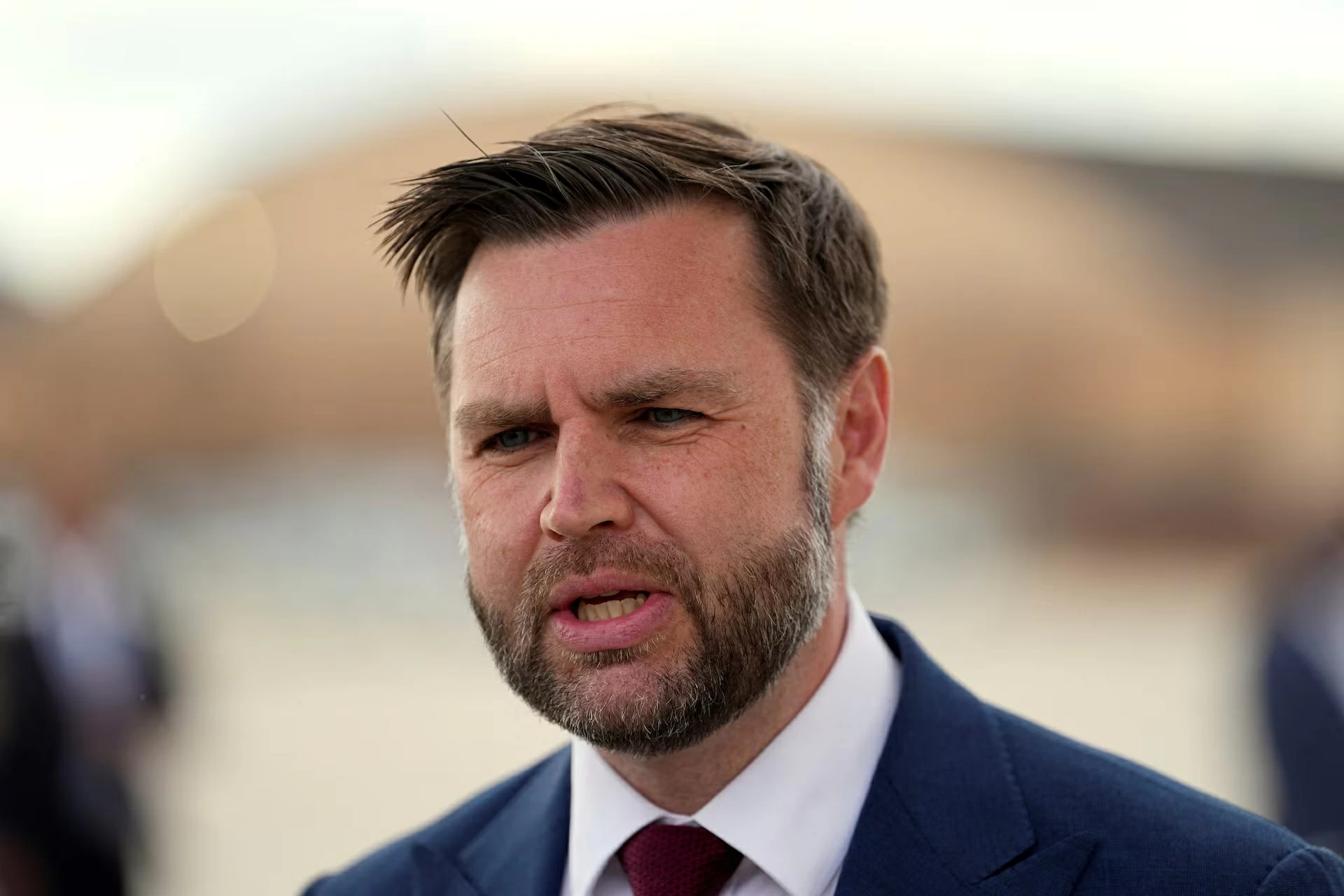
أكد نائب الرئيس الأمريكي جي دي فانس أن على إيران تغيير سلوكها للتوصل إلى اتفاق مع الولايات المتحدة، مشدداً على أن واشنطن ستقيّم أفعال طهران لا تصريحاتها خلال الفترة القادمة.
وقال فانس، اليوم (الثلاثاء)، إن المفاوضات مع إيران تقوم على أساس «الأفعال لا الأقوال»، موضحاً أن ما ستقوم به طهران خلال الشهرين القادمين سيحدد كيفية تعامل الولايات المتحدة معها، وفق ما نقل موقع «بلومبرغ».
وفي شأن المرشد الإيراني مجتبى خامنئي، قال فانس إن واشنطن تعتقد أنه لا يزال على قيد الحياة، لكنه ليس منخرطاً في الأمور اليومية، دون تقديم تفاصيل إضافية عن المعلومات التي تستند إليها الولايات المتحدة في هذا التقييم.
وتأتي تصريحات نائب الرئيس الأمريكي في وقت تتواصل فيه الاتصالات غير المباشرة بين واشنطن وطهران عبر وسطاء، وسط خلافات تتعلق بالبرنامج النووي الإيراني والعقوبات الأمريكية والوضع في مضيق هرمز.
وكان الرئيس الأمريكي دونالد ترمب نفى في وقت سابق اليوم عرض تخفيف العقوبات أو الإفراج عن أموال إيرانية مجمدة مقابل إحراز تقدم في الملف النووي، وذلك رداً على تقارير تحدثت عن انفتاح إدارته على اتخاذ خطوات في هذا الاتجاه مقابل إجراءات ملموسة من طهران.
وتسعى الوساطات إلى استئناف المفاوضات وإحياء اتفاق «إسلام آباد» الموقع في يونيو الماضي، فيما يتركز الخلاف على ترتيب الخطوات المطلوبة قبل أي تفاهم، إذ تطالب إيران بإجراءات أمريكية تتعلق بالعقوبات وحرية الملاحة.
U.S. Vice President JD Vance confirmed that Iran must change its behavior to reach an agreement with the United States, emphasizing that Washington will evaluate Tehran's actions, not its statements, in the coming period.
Vance stated today (Tuesday) that negotiations with Iran are based on "actions, not words," explaining that what Tehran does in the next two months will determine how the United States will deal with it, according to what was reported by Bloomberg.
Regarding Iranian Supreme Leader Mojtaba Khamenei, Vance said that Washington believes he is still alive, but he is not involved in daily matters, without providing additional details on the information the United States relies on for this assessment.
The U.S. Vice President's remarks come at a time when indirect communications between Washington and Tehran continue through intermediaries, amid disagreements related to the Iranian nuclear program, U.S. sanctions, and the situation in the Strait of Hormuz.
Earlier today, U.S. President Donald Trump denied offering to ease sanctions or release frozen Iranian funds in exchange for progress on the nuclear issue, in response to reports that his administration was open to taking steps in this direction in exchange for concrete actions from Tehran.
Efforts are being made to resume negotiations and revive the "Islamabad" agreement signed last June, while the disagreement focuses on arranging the required steps before any understanding, as Iran demands U.S. actions related to sanctions and freedom of navigation.