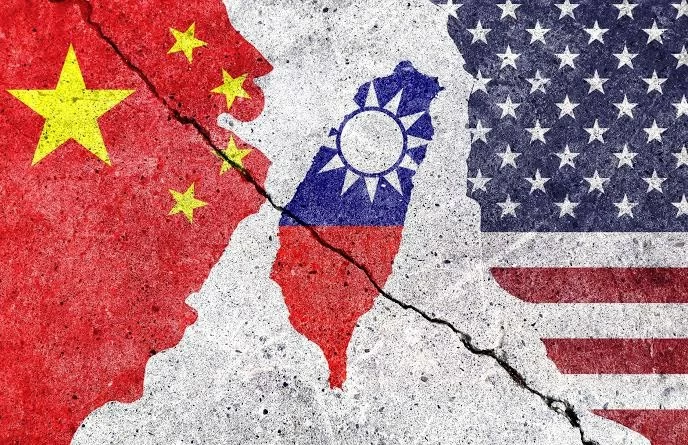
تصعد تايوان اعتراضها على ما تعتبره جهوداً من جانب بكين لإعادة صياغة رواية تاريخ الحرب العالمية الثانية، وذلك بعدما سلط الرئيس الصيني شي جين بينغ ونظيره الأمريكي دونالد ترمب الضوء على التحالف الذي جمع بلديهما خلال الحرب، خلال قمتهما الأخيرة.
وأثار هذا الموقف مخاوف في تايبيه من احتمال تبني واشنطن بصورة أكبر للرواية الصينية بشأن أحداث الحرب، بما قد يؤثر، وفقاً للمخاوف التايوانية، على مستوى الدعم الأمريكي للجزيرة، التي تعتمد بدرجة كبيرة على الولايات المتحدة كمصدر رئيسي للأسلحة.
وتقول تايوان، التي تتمتع بحكم ديمقراطي وتعتبرها الصين جزءاً من أراضيها، إن الرواية التي تروج لها بكين بشأن دور الصين في الحرب تشوه بعض جوانب التاريخ، مشيرة إلى أن جمهورية الصين كانت الحكومة التي تمثل الصين آنذاك، وأنها قاتلت إلى جانب قوات الحلفاء ضد دول المحور.
خلاف على من قاد الحرب داخل الصين
وتعود جذور الخلاف إلى الحرب الأهلية الصينية التي انتهت عام 1949 بانتصار الشيوعيين بقيادة ماو تسي تونغ، وفرار حكومة جمهورية الصين إلى تايوان، حيث احتفظت حتى اليوم باسمها الرسمي.
وتؤكد بكين في روايتها الرسمية أن قوات حرب العصابات الشيوعية كانت تمثل «العمود الفقري» للمقاومة الصينية خلال الحرب العالمية الثانية، بينما ترى تايوان أن هذا الطرح يقلل من الدور الذي لعبته القوات التابعة لحكومة جمهورية الصين، التي كانت السلطة الحاكمة في الصين خلال معظم فترة الحرب.
وخلال مأدبة عشاء رسمية أقيمت في واشنطن يوم الخميس، أشاد شي وترمب بالدور الذي لعبه البلدان في مواجهة قوى المحور خلال الحرب العالمية الثانية.
وذكرت ورقة حقائق صادرة عن البيت الأبيض عقب القمة أن ترمب وشي استعادا ذكرى كون الولايات المتحدة والصين حليفتين خلال الحرب العالمية الثانية، وخوضهما القتال جنباً إلى جنب لتحقيق النصر.
تايبيه تسعى لتأكيد روايتها أمام واشنطن
وقال شين يو-تشونغ، نائب رئيس مجلس شؤون البر الرئيسي في تايوان، إن شي «يواصل محاولة توجيه رواية تاريخ الحرب العالمية الثانية بحيث تكون جمهورية الصين الشعبية هي محور هذه الرواية».
وأضاف أن تايوان ستواصل إيصال رسائل إلى الولايات المتحدة بهدف التأكيد، بحسب تعبيره، على أن جمهورية الصين كانت «حليفاً ثابتاً للولايات المتحدة طوال فترة الحرب العالمية الثانية».
ولم يصدر تعليق فوري من البيت الأبيض أو وزارة الخارجية الأمريكية أو مكتب شؤون تايوان التابع للحكومة الصينية بشأن هذه التصريحات.
من جانبه، قال نائب وزير الخارجية التايواني فرانسوا وو إن بكين تسعى، من وجهة نظره، إلى استبدال «التاريخ الحقيقي» برواية أخرى، معتبرًا أن الصين تحاول تغيير صورة الدور الذي لعبته جمهورية الصين خلال الحرب العالمية الثانية.
موارد دعائية هائلة
ويأتي هذا الجدل بعد أن حذرت البعثة الأمريكية الفعلية في تايبيه، العام الماضي، بالتزامن مع الذكرى الثمانين لانتهاء الحرب، من أن الصين تروج لما وصفته بروايات «زائفة» بشأن الحرب العالمية الثانية بهدف الضغط على تايوان.
وقال تشن فانغ-يو، الأستاذ المشارك في جامعة سوتشو في تايبيه، إن تايوان تواجه تحدياً في إيصال روايتها التاريخية إلى الجمهور الأمريكي في ظل ما وصفه بالموارد الدعائية الكبيرة التي تمتلكها الصين.
وأضاف، خلال منتدى عقد في تايبيه يوم الأحد، أن بكين تستخدم وسائل مختلفة، بحسب تقديره، للتأثير في الرأي العام الأمريكي.
التاريخ محل خلاف داخل تايوان أيضاً
ولا يقتصر الجدل بشأن إرث الحرب العالمية الثانية على الخلاف بين بكين وتايبيه، إذ تحمل المسألة أبعاداً سياسية وتاريخية داخل تايوان نفسها.
فقد كانت تايوان مستعمرة يابانية بين عامي 1895 و1945، بينما يتبنى الحزب الديمقراطي التقدمي الحاكم تقليدياً رؤية تؤكد هوية تايوان وتاريخها المنفصلين عن الصين.
في المقابل، يرى حزب الكومينتانغ (الحزب القومي)، الذي كان الحزب الحاكم في جمهورية الصين خلال الحرب العالمية الثانية، أن حكومة تايوان تقدم بالفعل بعض الوقائع التاريخية بصورة صحيحة، لكنه يتهمها باستخدام تاريخ جمهورية الصين قبل عام 1949 بصورة انتقائية لأغراض سياسية.
وقال الحزب إن حكومة الرئيس لاي تشينغ-تي تستحضر تاريخ جمهورية الصين قبل عام 1949 عندما يكون ذلك مناسباً لها، بما في ذلك العودة إلى عام 1945، عندما كانت جمهورية الصين تمثل الحكومة الصينية المعترف بها دولياً، خصوصاً في سياق التنافس مع بكين على سردية التاريخ وحق تمثيله.
ويعكس الجدل المستمر حول تاريخ الحرب العالمية الثانية صراعاً أوسع بين بكين وتايبيه بشأن الهوية والتمثيل السياسي والإرث التاريخي للصين، في وقت تظل فيه العلاقات الأمريكية الصينية وتايوان من أبرز الملفات الحساسة في شرق آسيا.
Taiwan is escalating its objections to what it considers efforts by Beijing to reshape the narrative of World War II, following a recent summit where Chinese President Xi Jinping and his American counterpart Donald Trump highlighted the alliance between their countries during the war.
This stance has raised concerns in Taipei about the possibility of Washington adopting the Chinese narrative regarding the events of the war, which, according to Taiwanese fears, could affect the level of American support for the island, which heavily relies on the United States as a primary source of weapons.
Taiwan, which has a democratic government and is considered by China to be part of its territory, asserts that the narrative promoted by Beijing regarding China's role in the war distorts certain aspects of history, pointing out that the Republic of China was the government representing China at that time and fought alongside Allied forces against the Axis powers.
Dispute over who led the war within China
The roots of the dispute trace back to the Chinese Civil War, which ended in 1949 with the victory of the communists led by Mao Zedong, and the flight of the Republic of China government to Taiwan, where it has retained its official name to this day.
Beijing asserts in its official narrative that the communist guerrilla forces were the "backbone" of Chinese resistance during World War II, while Taiwan believes this claim downplays the role played by the forces of the Republic of China, which was the governing authority in China for most of the war.
During an official dinner held in Washington on Thursday, Xi and Trump praised the role that their countries played in confronting the Axis powers during World War II.
A fact sheet issued by the White House following the summit noted that Trump and Xi recalled the fact that the United States and China were allies during World War II and fought side by side to achieve victory.
Taipei seeks to assert its narrative before Washington
Shin Yu-chung, Vice President of the Mainland Affairs Council in Taiwan, stated that Xi "continues to attempt to steer the narrative of World War II so that the People's Republic of China is the focus of this narrative."
He added that Taiwan will continue to send messages to the United States to emphasize, in his words, that the Republic of China was "a steadfast ally of the United States throughout World War II."
No immediate comment was issued from the White House, the U.S. State Department, or the Taiwan Affairs Office of the Chinese government regarding these statements.
For his part, Taiwanese Deputy Foreign Minister François Wu said that Beijing is seeking, from his perspective, to replace "the real history" with another narrative, considering that China is trying to change the image of the role played by the Republic of China during World War II.
Massive propaganda resources
This controversy comes after the de facto American mission in Taipei warned last year, coinciding with the 80th anniversary of the end of the war, that China is promoting what it described as "false" narratives about World War II to pressure Taiwan.
Chen Fang-yu, an associate professor at Soochow University in Taipei, stated that Taiwan faces a challenge in conveying its historical narrative to the American public in light of what he described as the large propaganda resources possessed by China.
He added, during a forum held in Taipei on Sunday, that Beijing uses various means, in his estimation, to influence American public opinion.
History is also a point of contention within Taiwan
The debate over the legacy of World War II is not limited to the dispute between Beijing and Taipei, as the issue carries political and historical dimensions within Taiwan itself.
Taiwan was a Japanese colony from 1895 to 1945, while the ruling Democratic Progressive Party traditionally adopts a view that emphasizes Taiwan's identity and history as separate from China.
In contrast, the Kuomintang Party (Nationalist Party), which was the ruling party of the Republic of China during World War II, believes that the Taiwan government does present some historical facts correctly, but accuses it of using the history of the Republic of China before 1949 selectively for political purposes.
The party stated that President Lai Ching-te's government invokes the history of the Republic of China before 1949 when it suits them, including referencing 1945, when the Republic of China represented the internationally recognized Chinese government, especially in the context of competition with Beijing over the narrative of history and the right to represent it.
The ongoing debate over the history of World War II reflects a broader struggle between Beijing and Taipei over identity, political representation, and the historical legacy of China, at a time when U.S.-China relations and Taiwan remain among the most sensitive issues in East Asia.