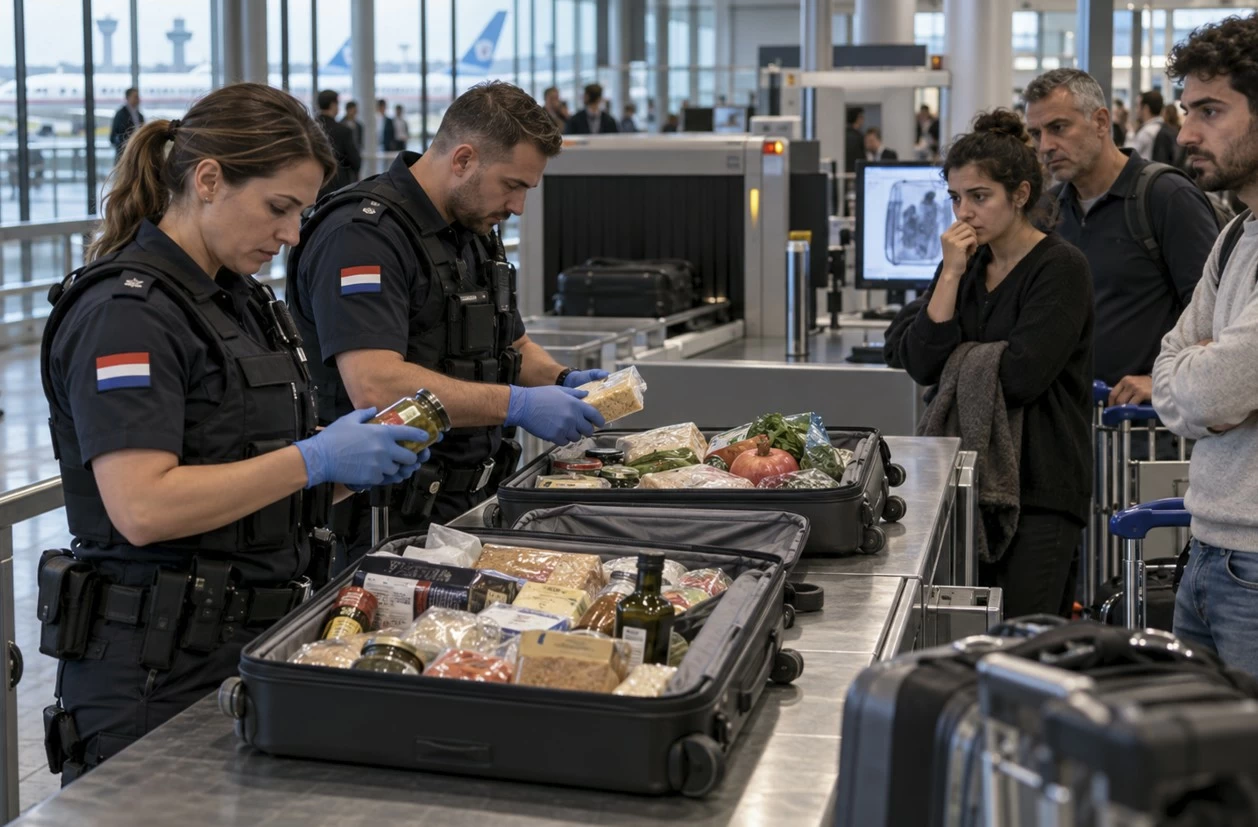
أخضعت السلطات الجمركية الهولندية ركاب رحلة تابعة لشركة «العال» الإسرائيلية لدى وصولهم إلى أمستردام لتفتيش أمتعتهم بحثاً عن منتجات مصدرها المستوطنات الإسرائيلية في الضفة الغربية أو الجولان، في خطوة تأتي بالتزامن مع بدء تطبيق حظر هولندي جديد على تلك المنتجات وتصاعد الخلاف مع إسرائيل.
وذكرت القناة 12 الإسرائيلية أن السلطات الهولندية أخضعت مسافرين قادمين من تل أبيب إلى إجراءات تفتيش جمركي للتأكد من عدم إدخال بضائع مصدرها المستوطنات في الضفة الغربية أو هضبة الجولان. ولم تذكر التقارير العثور على منتجات محظورة أو اتخاذ إجراءات بحق أي من الركاب.
وجاءت عمليات التفتيش بعد دخول قرار هولندي جديد حيز التنفيذ في 22 سبتمبر، يحظر إدخال البضائع القادمة من المستوطنات الإسرائيلية إلى الأراضي الهولندية، بما في ذلك المنتجات الموجودة في الأمتعة الشخصية للمسافرين، حتى لو كانت تذكارات أو هدايا أو مخصصة للاستخدام الشخصي.
وبموجب القرار، تحظر هولندا كذلك استيراد وشراء وبيع هذه المنتجات، إضافة إلى تقديم خدمات الوساطة التجارية المرتبطة بها أو محاولة الالتفاف على الحظر. وأكدت السلطات الهولندية أن الإجراءات لا تشمل جميع المنتجات الإسرائيلية، وإنما السلع التي تم الحصول عليها أو إنتاجها كلياً أو جزئياً داخل المستوطنات التي تشملها القائمة المعتمدة.
ويستند القرار الهولندي إلى سياسة تعتبر المستوطنات الإسرائيلية في الأراضي الفلسطينية المحتلة مخالفة للقانون الدولي، فيما قالت الحكومة إن الخطوة تهدف إلى عدم مساهمة النشاط الاقتصادي الهولندي في ترسيخ هذا الوضع. وأكدت في الوقت نفسه أن القرار لا يغير العلاقات التجارية مع إسرائيل داخل حدود عام 1967 المعترف بها دولياً.
وتحمل المخالفة تداعيات قانونية قد تصل، وفق معلومات النيابة العامة الهولندية التي نقلتها وسائل إعلام محلية، إلى السجن لمدة تصل إلى ست سنوات في بعض الحالات، مع إمكانية فرض غرامات. وتوضح السلطات أن الجمارك تصادر البضائع المشمولة بالحظر وتحرر محضراً، بينما يقرر الادعاء العام ما إذا كانت ستتخذ إجراءات عقابية إضافية.
ولا تبدو الخطوة الهولندية معزولة عن تحرك أوروبي أوسع ضد النشاط الاستيطاني. ففي 8 سبتمبر، أعلنت 12 دولة، بينها بريطانيا وفرنسا وكندا وإسبانيا والنرويج والدنمارك والسويد، اعتزامها فرض قيود وطنية أو دعم قيود أوروبية على تجارة السلع القادمة من المستوطنات، في ظل انتقادات لتوسع الاستيطان وعنف المستوطنين.
وكانت هولندا نفسها قد شددت خلال الأشهر الماضية موقفها من الاستيطان، إذ قالت حكومتها إن العنف الاستيطاني والتوسع في المستوطنات بالضفة الغربية يتعارضان مع القانون الدولي ويهددان آفاق حل الدولتين، كما أعلنت العمل على إجراءات وطنية تستهدف منتجات المستوطنات.
وفي أحدث تطور على مسار الخلاف، أعلنت إسرائيل منح دبلوماسيين هولنديين يعملون في رام الله مهلة لإعادة أوراق اعتمادهم الإسرائيلية، في خطوة جاءت عقب دخول القيود الهولندية على منتجات المستوطنات حيز التنفيذ، بحسب تقارير إسرائيلية. ووُصفت الخطوة بأنها رد دبلوماسي على السياسة الهولندية الجديدة.
The Dutch customs authorities subjected passengers of an El Al flight upon their arrival in Amsterdam to baggage inspections in search of products sourced from Israeli settlements in the West Bank or the Golan Heights, in a move that coincides with the implementation of a new Dutch ban on those products and the escalating dispute with Israel.
Israeli Channel 12 reported that Dutch authorities subjected travelers arriving from Tel Aviv to customs inspections to ensure that no goods sourced from the settlements in the West Bank or the Golan Heights were being brought in. Reports did not mention finding any prohibited products or taking action against any of the passengers.
The inspections came after a new Dutch decision took effect on September 22, banning the entry of goods coming from Israeli settlements into Dutch territory, including products found in travelers' personal luggage, even if they were souvenirs, gifts, or intended for personal use.
Under the decision, the Netherlands also prohibits the import, purchase, and sale of these products, in addition to providing related commercial mediation services or attempting to circumvent the ban. Dutch authorities confirmed that the measures do not cover all Israeli products, but rather goods that have been obtained or produced wholly or partially within the settlements included in the approved list.
The Dutch decision is based on a policy that considers Israeli settlements in the occupied Palestinian territories to be in violation of international law, while the government stated that the step aims to prevent Dutch economic activity from contributing to the entrenchment of this situation. At the same time, it emphasized that the decision does not alter trade relations with Israel within the internationally recognized borders of 1967.
Violations carry legal consequences that could, according to information from the Dutch public prosecution service reported by local media, lead to imprisonment for up to six years in some cases, with the possibility of fines. Authorities clarify that customs confiscate the goods covered by the ban and issue a report, while the public prosecution decides whether to take additional punitive measures.
The Dutch move does not seem isolated from a broader European action against settlement activity. On September 8, 12 countries, including the UK, France, Canada, Spain, Norway, Denmark, and Sweden, announced their intention to impose national restrictions or support European restrictions on trade in goods coming from the settlements, amid criticism of settlement expansion and violence by settlers.
In recent months, the Netherlands itself has strengthened its position on settlements, with its government stating that settler violence and the expansion of settlements in the West Bank are contrary to international law and threaten the prospects for a two-state solution, also announcing plans for national measures targeting settlement products.
In the latest development in the ongoing dispute, Israel announced that it would give Dutch diplomats working in Ramallah a deadline to return their Israeli credentials, a step that came following the implementation of the Dutch restrictions on settlement products, according to Israeli reports. The move was described as a diplomatic response to the new Dutch policy.