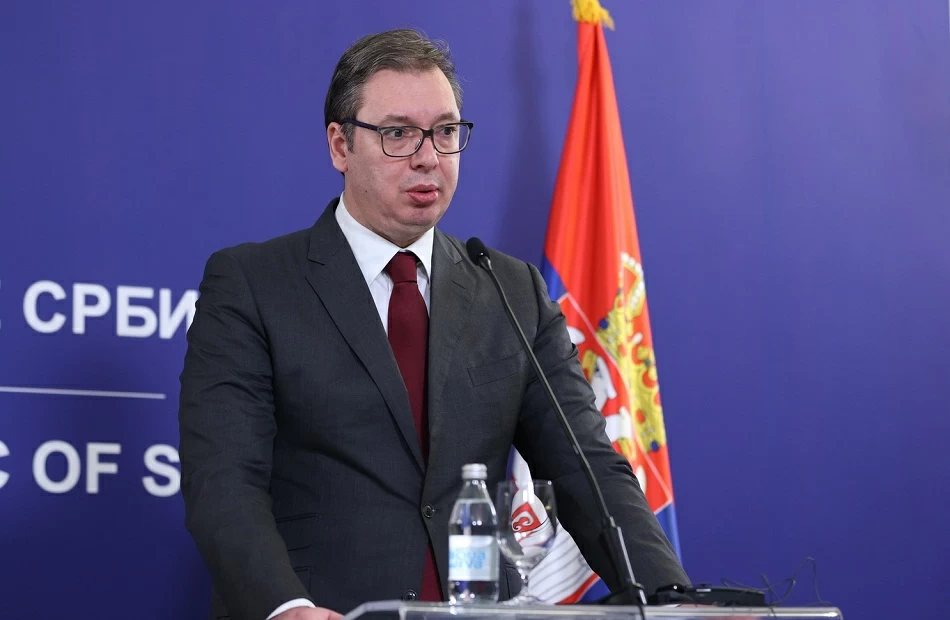
أعلن الرئيس الصربي ألكسندر فوتشيتش، اليوم الأحد، استقالته من منصبه قبل انتهاء ولايته، في خطوة تأتي قبل الانتخابات البرلمانية المبكرة المقرر إجراؤها في 25 أكتوبر المقبل، وتمهد لإجراء انتخابات رئاسية مبكرة في البلاد.
وتأتي استقالة فوتشيتش بعد إعلان اعتزامه خوض الانتخابات البرلمانية المقبلة مرشحًا لمنصب رئيس الوزراء، بعدما اختاره الحزب التقدمي الصربي الحاكم لقيادة قائمته الانتخابية، في حال نجاحه في تشكيل الحكومة المقبلة.
وكان فوتشيتش قد أعلن في وقت سابق أنه سيستقيل من منصب الرئيس في نهاية سبتمبر، بالتزامن مع استعداد البلاد لخوض الانتخابات البرلمانية المبكرة، التي دعا إليها بعد حل الجمعية الوطنية في 9 سبتمبر الماضي.
وبموجب الدستور الصربي، يتولى رئيس الجمعية الوطنية مهام رئيس الجمهورية بصورة مؤقتة عقب الاستقالة، إلى حين انتخاب رئيس جديد، على ألا تتجاوز الفترة ثلاثة أشهر. وتشغل آنا برنابيتش، رئيسة الجمعية الوطنية، منصب الرئيسة بالإنابة خلال هذه المرحلة.
وتفتح الاستقالة الطريق أمام فوتشيتش للانتقال من موقع رئيس الدولة إلى المنافسة البرلمانية، في وقت تستعد فيه صربيا لانتخابات تشهد مشاركة الحزب الحاكم وحلفائه، إلى جانب حركة طلابية تقود احتجاجات مستمرة في البلاد.
وكان فوتشيتش قد وقّع في 9 سبتمبر مرسوم حل الجمعية الوطنية المنتخبة في ديسمبر 2023، ودعا إلى انتخابات برلمانية مبكرة في 25 أكتوبر، استنادًا إلى مقترح قدمته الحكومة الصربية.
ويشغل فوتشيتش منصب رئيس صربيا منذ عام 2017، وبدأ ولايته الرئاسية الثانية في 2022، فيما يمنع الدستور انتخاب الرئيس لأكثر من ولايتين، ما دفعه إلى التوجه نحو منصب رئيس الوزراء في المرحلة المقبلة.
وتأتي الانتخابات وسط توترات سياسية واحتجاجات طلابية مستمرة منذ انهيار مظلة محطة السكك الحديدية في مدينة نوفي ساد في نوفمبر 2024، في حادث أسفر عن مقتل 16 شخصًا وأطلق موجة احتجاجات واسعة ضد الحكومة.
ومن المنتظر أن تُجرى الانتخابات الرئاسية المبكرة خلال الفترة المحددة دستوريًا بعد استقالة فوتشيتش، بينما تخوض البلاد في 25 أكتوبر الانتخابات البرلمانية المبكرة التي قد تحدد شكل الحكومة المقبلة ودور فوتشيتش في المشهد السياسي الصربي.
Serbian President Aleksandar Vučić announced his resignation from office today, Sunday, before the end of his term, in a move that comes ahead of the early parliamentary elections scheduled for October 25, paving the way for early presidential elections in the country.
Vučić's resignation follows his announcement of his intention to run in the upcoming parliamentary elections as a candidate for the position of Prime Minister, after being chosen by the ruling Serbian Progressive Party to lead its electoral list, should he succeed in forming the next government.
Earlier, Vučić had announced that he would resign from the presidency at the end of September, coinciding with the country's preparations for the early parliamentary elections, which he called for after dissolving the National Assembly on September 9.
According to the Serbian constitution, the Speaker of the National Assembly temporarily assumes the duties of the President of the Republic following a resignation, until a new president is elected, with the period not exceeding three months. Ana Brnabić, the Speaker of the National Assembly, serves as acting president during this phase.
The resignation opens the way for Vučić to transition from the position of head of state to parliamentary competition, at a time when Serbia is preparing for elections that will see the participation of the ruling party and its allies, alongside a student movement leading ongoing protests in the country.
On September 9, Vučić signed a decree to dissolve the National Assembly elected in December 2023 and called for early parliamentary elections on October 25, based on a proposal submitted by the Serbian government.
Vučić has held the position of President of Serbia since 2017 and began his second presidential term in 2022, while the constitution prohibits the election of a president for more than two terms, prompting him to move towards the position of Prime Minister in the upcoming phase.
The elections come amid political tensions and ongoing student protests since the collapse of the railway station canopy in the city of Novi Sad in November 2024, an incident that resulted in the deaths of 16 people and sparked a wave of widespread protests against the government.
The early presidential elections are expected to be held within the constitutionally specified period following Vučić's resignation, while the country will hold early parliamentary elections on October 25, which may determine the shape of the next government and Vučić's role in the Serbian political scene.