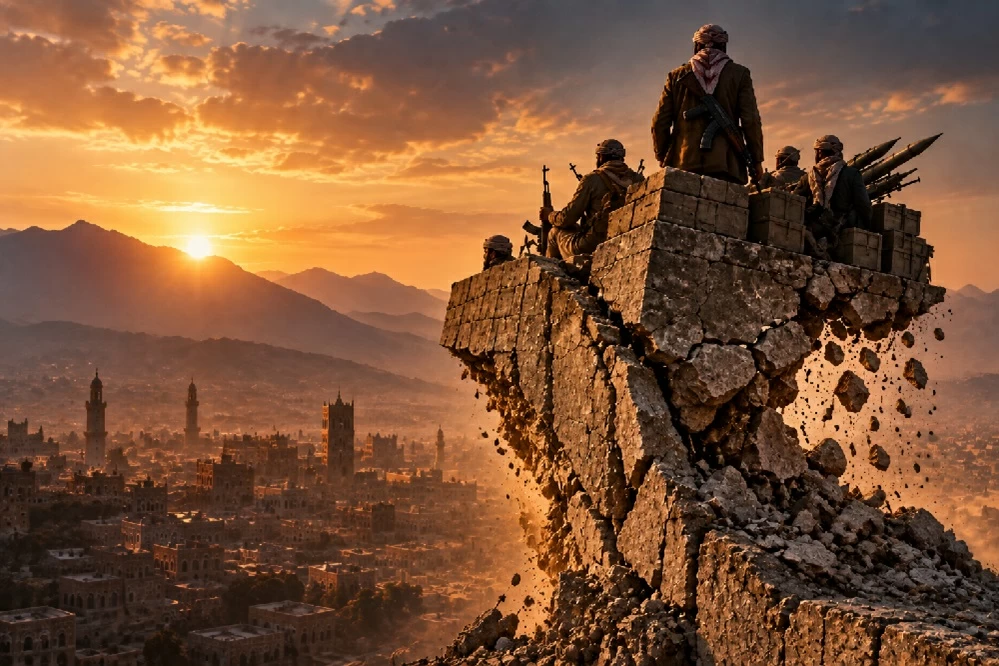
على مرِّ التاريخ البشري، لم تكن القوة العسكرية الغاشمة أو البطش سبيلًا مستدامًا للبقاء؛ بل كانا في كثير من التجارب بدايةً لمسار التآكل والسقوط. وتتجلّى هذه الحقيقة اليوم في تجربة مليشيا الحوثي في اليمن، التي تمتلك ترسانة من السلاح وتحظى بدعم خارجي، لكنها تحمل في أحشائها مقتلها وفي ممارساتها أحد أبرز مصادر ضعفها: اعتمادها على القمع والانتهاكات في فرض السيطرة. ولطالما ارتبط الظلم، في المنظور الديني والتاريخي، بعواقب وخيمة على أصحابه.
عاجلًا أم آجلًا.. هكذا يصنع القمع موجة الرفض الأخيرة
خلف الشعارات التي ترفعها مليشيا الحوثي، يتكّشف واقع مأساوي وثَّقته تقارير حقوقية محلية ودولية، حيث شهدت المناطق الخاضعة لسيطرتها انتهاكات واسعة لحقوق المدنيين. ووفق تقرير لـ(الشبكة اليمنية للحقوق والحريات)، وثقت الشبكة نحو 59 ألف حالة وفاة وإصابة بين المدنيين نُسبت إلى هجمات الحوثيين خلال الفترة من يناير 2015 حتى النصف الأول من عام 2026؛ بينها وفيات وإصابات ناجمة عن الألغام.
وفي أحدث تقرير للشبكة، نُسب إلى الحوثيين ارتكاب 1,033 جريمة وانتهاكًا في محافظتي تعز والحديدة خلال الفترة من 3 إلى 27 سبتمبر 2026؛ بينها 421 حالة اختطاف وإخفاء قسري، إضافة إلى مقتل 16 من الأسرى العسكريين؛ بحسب التقرير. كما وثَّقت الشبكة اعتقال 278 مواطنًا على خلفية مشاركتهم أو نيتهم المشاركة في فعاليات إحياء ذكرى ثورة 26 سبتمبر.
كما وثقت منظمة (هيومن رايتس ووتش) استمرار حملة الاعتقالات التعسُّفية بحق موظفين في الأمم المتحدة ومنظمات المجتمع المدني؛ وأفادت في أغسطس 2026 بأن ما لا يقل عن 73 موظفًا أمميًا ظلوا محتجزين لدى الحوثيين، إلى جانب عشرات العاملين في المجتمع المدني؛ وفق المنظمة.
وعلى صعيد النزوح، أعلنت الوحدة التنفيذية لإدارة مخيمات النازحين تسجيل نزوح 2,183 أسرة من محافظتي تعز والحديدة بحلول 5 سبتمبر 2026، فيما وثّقت المنظمة الدولية للهجرة أعدادًا أكبر بكثير من النازحين خلال التصعيد المتصاعد على الساحل الغربي.
لكن الانتهاكات المستمرة لا تبقى مجرد أداة لفرض السيطرة بقوة السلاح، بل يمكن أن تتحول، مع تراكمها، إلى عبوة موقوتة تُشحن يومياً بغضب الشارع، إلى عامل يغذّي السخط الشعبي. فسياسات الإفقار الممنهج والقمع وتقييد الحريات ومصادرة الحقوق تضاعف حالة الاحتقان، وتراكم مشاعر الرفض خلف جدران الخوف. والتجارب التاريخية تشير إلى أن الإفراط في القمع قد يُسهم في اتساع دائرة المعارضة، لتتحول أدوات السيطرة نفسها إلى مصدر من مصادر هشاشة السلطة.
سلاح الظلم الارتدادي: كيف يحفر الحوثي قبره بيده؟
مهما بلغت سطوة الظالم، فإن إمهال الله له ليس إهمالًا، بل هو استدراج حتى إذا أخذه لم يُفلته. وقد جاءت النصوص الشرعية لتؤكد وعيد الله للظالمين ونصرته للمظلومين: يقول الله تعالى: {وَلَا تَحْسَبَنَّ اللَّهَ غَافِلًا عَمَّا يَعْمَلُ الظَّالِمُونَ إِنَّمَا يُؤَخِّرُهُمْ لِيَوْمٍ تَشْخَصُ فِيهِ الْأَبْصَارُ} [إبراهيم: 42]. ويقول سبحانه: {وَكَانَ حَقًّا عَلَيْنَا نَصْرُ الْمُؤْمِنِينَ} [الروم: 47].
وحذّر النبي ﷺ من دعوة المظلوم، فقال لمعاذ بن جبل رضي الله عنه: «واتق دعوة المظلوم؛ فإنه ليس بينها وبين الله حجاب» [رواه البخاري]. وبيّن ﷺ مآل الظالم إذا جاءه الأخذ، فقال: «إن الله ليملي للظالم، حتى إذا أخذه لم يفلته» [رواه البخاري].
إن مليشيا الحوثي، وهي تواجه اتهامات واسعة بارتكاب انتهاكات بحق أبناء الشعب اليمني، لا تبني دولة بالمعنى المؤسسي، بل تراكم عوامل قد تقوِّض قدرتها على فرض السيطرة على المدى الطويل. فغطرسة السلاح والقوة لا تلغي آثار القمع في الوعي الشعبي، ولا تمنع تراكم مشاعر الغضب والرفض لدى المتضررين من الحرب والانتهاكات.
قانون التاريخ لا يستثني أحدًا.. حين يتحول الظلم إلى عامل سقوط
لم يخلُ التاريخ من تجارب لسلطات وقوى عسكرية اعتمدت على البطش والاستبداد، ثم واجهت لاحقًا مقاومة أضعفت نفوذها. ويقدم القرآن الكريم قصة فرعون نموذجًا بارزًا للسلطة التي بالغت في الاستعلاء والاستضعاف؛ إذ قال تعالى: {إِنَّ فِرْعَوْنَ عَلَا فِي الْأَرْضِ وَجَعَلَ أَهْلَهَا شِيَعًا يَسْتَضْعِفُ طَائِفَةً مِنْهُمْ يُذَبِّحُ أَبْنَاءَهُمْ وَيَسْتَحْيِي نِسَاءَهُمْ إِنَّهُ كَانَ مِنَ الْمُفْسِدِينَ}.
وعندما بلغت غطرسة فرعون ذروتها، ساقه الله بعزته إلى وسط البحر الذي ظنّ أنه مسرح لنجاته، وأغرقه وجنوده وأصبحوا عبرةً عن عاقبة الاستعلاء والظلم.
وفي التاريخ الإسلامي، تمثِّل معركة عين جالوت عام 1260م محطة بارزة في مواجهة التوسّع المغولي، وظلمٍ وبطشٍ لم تشهد البشرية له مثيلاً؛ فقتلوا الملايين ودمروا الحواضر والمدن وسفكوا دماء الأبرياء مستندين إلى تفوقهم العسكري الأعمى. استنهض هذا الظلم الصارخ الأمة، وتمكنت قوات المماليك بقيادة السلطان سيف الدين قطز، وبمشاركة بارزة من بيبرس، من إلحاق هزيمة كبيرة بالقوة المغولية، لتتوقف بذلك موجة التوسع المغولي غربًا في تلك المرحلة، ولتتحطم أسطورة الجيش الذي لا يُقهر وينتصر الحق.
وليس التاريخ الحديث ببعيدٍ عن هذه السنن؛ فقد شهد العالم العربي تجارب لسلطات بالغت في إحكام قبضتها على شعوبها، من قمعٍ إلى عقودٍ من البطش والتنكيل، وصولًا إلى نظام أخضع الحريات لقيود أمنية وقانونية واسعة. لكن القبضة التي بدت لسنوات عصية على الانكسار لم تمنع تراكم المظالم؛ ففي اللحظة التي انكسر فيها حاجز الخوف، تحولت سنوات القمع إلى وقود للاحتجاج، وسقطت أنظمة ظنت أن أجهزة الأمن قادرة على تأمين بقائها إلى الأبد.
وهكذا، فإن امتلاك القوة العسكرية قد يتيح فرض السيطرة لفترة، لكنه لا يضمن وحده استدامتها. فحين يقترن السلاح بالقمع، وتتراكم الانتهاكات والاحتقان، يمكن أن تتحول أدوات السيطرة نفسها إلى مصدر ضغط على السلطة، وتصبح المظالم المتراكمة عاملًا في اتساع دائرة الرفض والمقاومة.
Throughout human history, brute military force or oppression has not been a sustainable means of survival; rather, in many experiences, they have marked the beginning of a path toward erosion and downfall. This truth is evident today in the experience of the Houthi militia in Yemen, which possesses an arsenal of weapons and enjoys external support, yet carries within it the seeds of its own demise and, in its practices, one of its most prominent sources of weakness: its reliance on repression and violations to impose control. Oppression has long been associated, in both religious and historical perspectives, with dire consequences for its perpetrators.
Sooner or later... This is how repression creates the latest wave of rejection
Behind the slogans raised by the Houthi militia lies a tragic reality documented by local and international human rights reports, where the areas under their control have witnessed widespread violations of civilian rights. According to a report by the (Yemeni Network for Rights and Freedoms), the network documented nearly 59,000 cases of death and injury among civilians attributed to Houthi attacks from January 2015 to the first half of 2026; including deaths and injuries caused by landmines.
In the latest report from the network, the Houthis were attributed with committing 1,033 crimes and violations in the governorates of Taiz and Al Hudaydah during the period from September 3 to 27, 2026; including 421 cases of kidnapping and enforced disappearance, in addition to the killing of 16 military prisoners; according to the report. The network also documented the arrest of 278 citizens based on their participation or intention to participate in events commemorating the anniversary of the September 26 Revolution.
The organization (Human Rights Watch) also documented the continuation of arbitrary arrest campaigns against employees of the United Nations and civil society organizations; reporting in August 2026 that at least 73 UN employees remained detained by the Houthis, along with dozens of civil society workers; according to the organization.
Regarding displacement, the Executive Unit for the Management of Displaced Persons Camps announced the registration of the displacement of 2,183 families from the governorates of Taiz and Al Hudaydah by September 5, 2026, while the International Organization for Migration documented significantly larger numbers of displaced persons during the escalating crisis on the western coast.
However, ongoing violations do not remain merely a tool for imposing control through the force of arms; they can, with their accumulation, turn into a ticking time bomb charged daily with the anger of the street, becoming a factor that fuels public discontent. Systematic impoverishment policies, repression, restrictions on freedoms, and the confiscation of rights exacerbate the state of tension, accumulating feelings of rejection behind walls of fear. Historical experiences indicate that excessive repression may contribute to the expansion of the opposition, turning the very tools of control into sources of the authority's fragility.
The recoil weapon of injustice: How does the Houthi dig his own grave?
No matter how powerful the oppressor may be, God's granting of respite is not neglect but a trap, so that when He takes them, He does not let them go. The religious texts affirm God's warning to the oppressors and His support for the oppressed: Allah, the Almighty, says: {And do not think that Allah is unaware of what the oppressors do; He only delays them for a Day when the eyes will stare in horror} [Ibrahim: 42]. And He says: {And it was a duty upon Us to help the believers} [Ar-Rum: 47].
The Prophet ﷺ warned against the supplication of the oppressed, saying to Mu'adh ibn Jabal رضي الله عنه: "Beware of the supplication of the oppressed; for there is no barrier between it and Allah" [Narrated by Al-Bukhari]. He ﷺ explained the fate of the oppressor when the time of reckoning comes, saying: "Indeed, Allah gives respite to the oppressor, but when He takes him, He does not let him go" [Narrated by Al-Bukhari].
The Houthi militia, while facing widespread accusations of committing violations against the Yemeni people, is not building a state in the institutional sense, but rather accumulating factors that may undermine its ability to impose control in the long term. The arrogance of weapons and power does not erase the effects of repression in public consciousness, nor does it prevent the accumulation of feelings of anger and rejection among those affected by the war and violations.
The law of history spares no one... When oppression becomes a factor of downfall
History is not devoid of experiences of authorities and military powers that relied on oppression and tyranny, only to later face resistance that weakened their influence. The Holy Quran presents the story of Pharaoh as a prominent example of authority that exaggerated in arrogance and oppression; Allah, the Almighty, says: {Indeed, Pharaoh exalted himself in the land and made its people into factions, oppressing a group of them, slaughtering their sons and keeping their women alive; indeed, he was of the corruptors}.
When Pharaoh's arrogance reached its peak, Allah, in His might, led him to the middle of the sea, which he thought was a stage for his salvation, and drowned him and his soldiers, making them a lesson about the consequences of arrogance and oppression.
In Islamic history, the Battle of Ain Jalut in 1260 CE represents a significant milestone in confronting the Mongol expansion, a tyranny and oppression that humanity had never witnessed before; they killed millions, destroyed cities and towns, and shed the blood of innocents, relying on their blind military superiority. This blatant injustice awakened the nation, and the Mamluk forces, led by Sultan Al-Malik Al-Kamil, with significant participation from Baybars, managed to inflict a major defeat on the Mongol force, thus halting the wave of Mongol expansion westward at that stage and shattering the myth of the invincible army, allowing truth to prevail.
Modern history is not far from these principles; the Arab world has witnessed experiences of authorities that exaggerated their grip on their peoples, from repression to decades of tyranny and oppression, culminating in a regime that subjected freedoms to extensive security and legal restrictions. However, the grip that seemed unbreakable for years did not prevent the accumulation of grievances; at the moment the barrier of fear was broken, years of repression turned into fuel for protest, and regimes that believed their security apparatus could secure their permanence forever fell.
Thus, possessing military power may allow for the imposition of control for a time, but it does not guarantee its sustainability alone. When weapons are coupled with repression, and violations and tensions accumulate, the very tools of control can turn into a source of pressure on authority, and the accumulated grievances become a factor in expanding the circle of rejection and resistance.