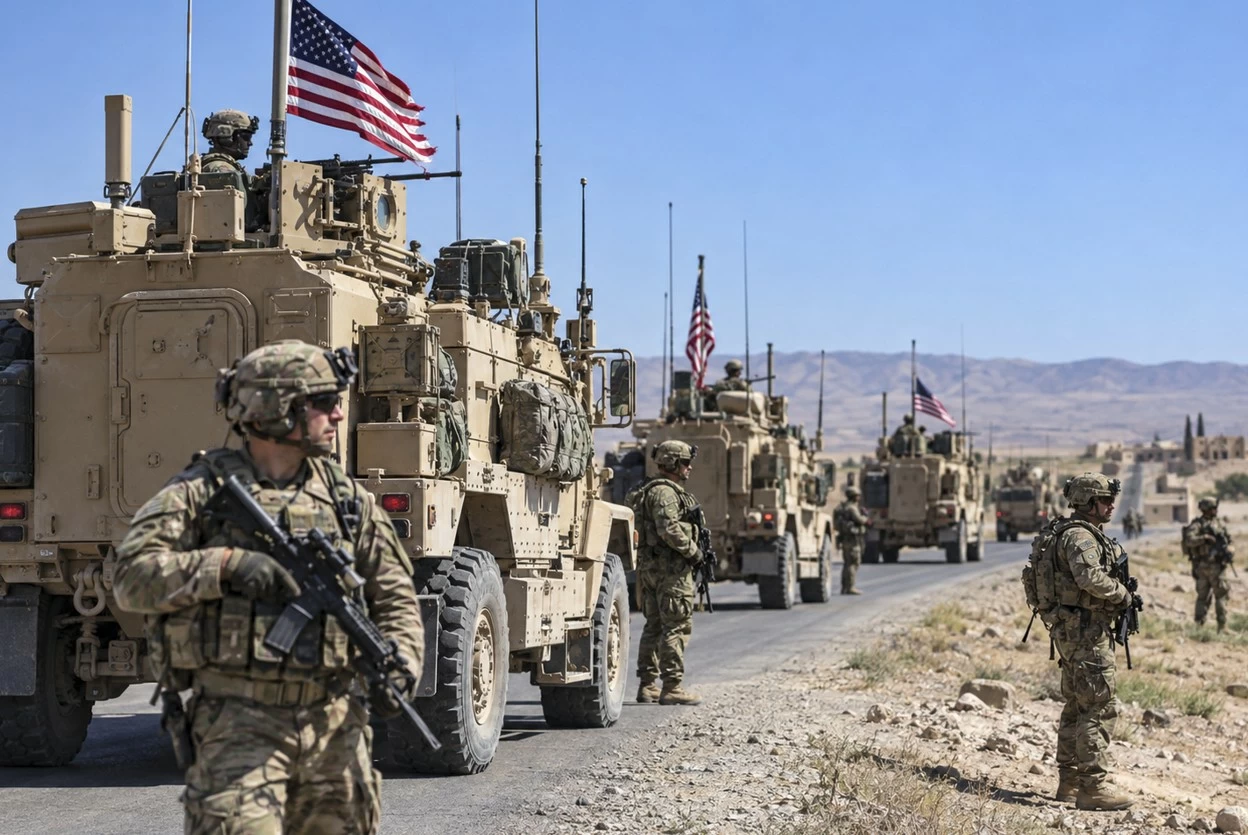
أعلنت السلطات العراقية تسلّم جميع القواعد والمقرات التي كان يستخدمها التحالف الدولي، مؤكدة عدم وجود قوات قتالية أو عسكرية تابعة للتحالف في البلاد، مع اقتراب الموعد النهائي لإنهاء مهمته في 30 سبتمبر.
وقال الفريق سعد معن، رئيس هيئة الإعلام الأمني في الحكومة العراقية، إن التحالف الدولي سلّم جميع قواعده ومقراته إلى السلطات العراقية، مؤكداً أن العراق بات مستعداً لتولي مسؤولية أمنه بصورة كاملة بعد انتهاء المهمة العسكرية للتحالف.
وأضاف معن أن التحالف لن تكون له قوات قتالية أو تدريبية في العراق بعد 30 سبتمبر، مشيراً إلى أن العلاقات مع دول التحالف ستنتقل بعد انتهاء المهمة من إطار التحالف الدولي إلى علاقات ثنائية بين بغداد والدول المعنية.
ويأتي ذلك في إطار اتفاق توصلت إليه بغداد وواشنطن في سبتمبر 2024 لإنهاء المهمة العسكرية للتحالف الدولي على مرحلتين، على أن تكتمل المرحلة النهائية في سبتمبر 2026. وكانت القوات الأمريكية قد انسحبت في يناير الماضي من قاعدة عين الأسد في محافظة الأنبار، التي سُلّمت إلى القوات العراقية، قبل استكمال الانسحاب من المواقع المتبقية.
وكانت المرحلة الأخيرة من الخطة قد ركزت بصورة أساسية على إنهاء الوجود العسكري للتحالف في إقليم كردستان، حيث استمرت بعض القوات في مدينة أربيل ضمن مهمة مرتبطة بالعمليات ضد تنظيم «داعش» في سوريا. وأعلنت السلطات العراقية أن عملية الانسحاب جرت وفق جداول زمنية وتنسيق مباشر مع الحكومة والقوات المسلحة.
ويعود تشكيل التحالف الدولي إلى سبتمبر 2014، عندما تشكل بقيادة الولايات المتحدة لمواجهة تنظيم «داعش»، الذي كان قد سيطر آنذاك على مساحات واسعة من العراق وسوريا، حيث شارك في التحالف عدد كبير من الدول، التي قدمت أشكالاً مختلفة من الدعم العسكري والأمني والاستخباراتي للقوات العراقية.
ومع تراجع سيطرة «داعش» وخسارته الأراضي التي كان يسيطر عليها في العراق، بدأت بغداد وواشنطن ترتيبات الانتقال من المهمة العسكرية للتحالف إلى علاقات أمنية ثنائية. وقالت السلطات العراقية إن التعاون المستقبلي مع دول التحالف سيشمل مجالات من بينها تبادل المعلومات الاستخباراتية والتعاون الأمني وبرامج التسليح.
ويمثل إنهاء المهمة العسكرية للتحالف تحولاً في طبيعة الوجود الأجنبي في العراق، مع تأكيد بغداد أن قواتها الأمنية باتت تتولى مسؤولية حماية الأراضي العراقية، بينما تستعد لعلاقات أمنية ثنائية مع الدول التي كانت جزءاً من التحالف.
وكانت بغداد قد أكدت أن يوم 30 سبتمبر يمثل الموعد النهائي والثابت لإنهاء المهمة العسكرية للتحالف، في حين قالت الولايات المتحدة إن عملية الانسحاب تسير وفق الجدول المتفق عليه.
The Iraqi authorities announced the handover of all bases and headquarters previously used by the international coalition, confirming that there are no combat or military forces belonging to the coalition in the country, as the deadline for ending its mission approaches on September 30.
Lieutenant General Saad Maan, head of the Security Media Cell in the Iraqi government, stated that the international coalition has handed over all its bases and headquarters to the Iraqi authorities, affirming that Iraq is now ready to take full responsibility for its security after the end of the coalition's military mission.
Maan added that the coalition will not have combat or training forces in Iraq after September 30, indicating that relations with coalition countries will shift from the framework of the international coalition to bilateral relations between Baghdad and the concerned countries after the mission concludes.
This comes as part of an agreement reached between Baghdad and Washington in September 2024 to end the military mission of the international coalition in two phases, with the final phase expected to be completed in September 2026. U.S. forces had withdrawn in January from the Ain al-Asad base in Anbar province, which was handed over to Iraqi forces, before completing the withdrawal from the remaining sites.
The final phase of the plan primarily focused on ending the military presence of the coalition in the Kurdistan region, where some forces remained in Erbil as part of a mission related to operations against ISIS in Syria. The Iraqi authorities announced that the withdrawal process took place according to timelines and direct coordination with the government and armed forces.
The formation of the international coalition dates back to September 2014, when it was established under U.S. leadership to confront ISIS, which had then controlled vast areas of Iraq and Syria. A large number of countries participated in the coalition, providing various forms of military, security, and intelligence support to Iraqi forces.
As ISIS's control diminished and it lost the territories it held in Iraq, Baghdad and Washington began arrangements to transition from the coalition's military mission to bilateral security relations. The Iraqi authorities stated that future cooperation with coalition countries would include areas such as intelligence sharing, security cooperation, and arms programs.
The end of the coalition's military mission represents a shift in the nature of foreign presence in Iraq, with Baghdad confirming that its security forces are now responsible for protecting Iraqi territory, while preparing for bilateral security relations with the countries that were part of the coalition.
Baghdad had confirmed that September 30 represents the final and fixed deadline for ending the coalition's military mission, while the United States stated that the withdrawal process is proceeding according to the agreed schedule.