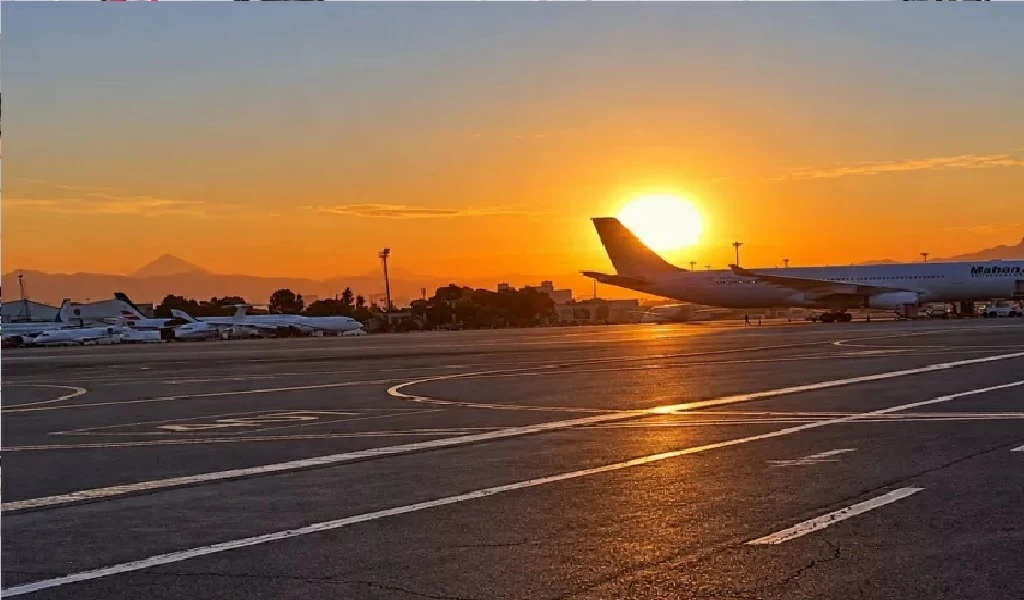
اتسعت تداعيات العقوبات الأمريكية المفروضة على قطاع الطيران الإيراني، مع دخول قيود جديدة حيز التنفيذ، إذ علقت الإمارات الرحلات التي تشغلها شركات الطيران الإيرانية من وإلى أراضيها، فيما سبقتها دول أخرى باتخاذ إجراءات مماثلة، ما أدى إلى اضطراب واسع في شبكة النقل الجوي الإيرانية.
وأعلنت الهيئة العامة للطيران المدني الإماراتية، اليوم (الخميس)، تعليق رحلات شركات الطيران الإيرانية من وإلى الإمارات، اعتباراً من اليوم وحتى إشعار آخر، موضحة أن القرار جاء على خلفية الحظر الأمريكي المفروض على شركات الطيران الإيرانية واستخدامها المطارات في مختلف دول العالم، وفقاً لوكالة الأنباء الإماراتية «وام».
وأكدت الهيئة استمرارها في متابعة المستجدات وإبلاغ الجهات المعنية والجمهور بأي تطورات، داعية إلى استقاء المعلومات من المصادر الرسمية.
ويأتي القرار الإماراتي بعد بدء تطبيق الإجراءات الأمريكية الجديدة التي تستهدف قطاع الطيران الإيراني، والتي تحذر بموجبها واشنطن الجهات التي تقدم خدمات لشركات الطيران الإيرانية من التعرض لعقوبات ثانوية. وأعلنت وزارة الخزانة الأمريكية في 8 سبتمبر فرض حزمة واسعة من العقوبات على قطاع الطيران الإيراني، شملت شركات وكيانات مرتبطة بالقطاع، مع منح فترة لإنهاء بعض المعاملات قبل دخول القيود حيز التنفيذ.
وامتدت القيود إلى عدد من دول المنطقة والقوقاز؛ إذ علقت أذربيجان رحلات شركات الطيران الإيرانية اعتباراً من 22 سبتمبر، في خطوة ربطتها مباشرة بالعقوبات الأمريكية الجديدة على قطاع الطيران الإيراني. كما أوقفت جورجيا الرحلات الإيرانية، فيما تأثرت الرحلات المتجهة إلى العراق وسلطنة عُمان، في وقت أعلنت فيه طهران إلغاء رحلات إلى بغداد ومسقط مع استمرار المشاورات بشأن ترتيبات بديلة.
وفي العراق، اتجهت السلطات إلى وقف استقبال الرحلات الإيرانية في مطار بغداد الدولي، مع بحث تحويل بعض الرحلات إلى مطار النجف، الذي يستقبل أعداداً كبيرة من الزوار الإيرانيين سنوياً. ويشكل العراق سوقاً مهماً لشركات الطيران الإيرانية، خصوصاً في حركة الزوار والمسافرين بين البلدين، فيما دفعت اضطرابات الرحلات شركات سفر إلى البحث عن بدائل برية لنقل المسافرين.
أما سلطنة عُمان، فأوقفت بدورها الرحلات الإيرانية، بينما استمرت الاتصالات لمعالجة القيود الجديدة. وقالت السلطات الإيرانية إن الرحلات الدولية الأخرى، ومنها الرحلات إلى إسطنبول، ستستمر وفق الجداول المعلنة، في حين ظلت بعض الرحلات إلى وجهات أخرى قائمة رغم اتساع نطاق القيود.
وبحسب «رويترز»، بدت رحلات إيرانية إلى دول خليجية، بينها الإمارات، ملغاة (الخميس) بعد انتهاء المهلة التي منحتها واشنطن للشركات والجهات الدولية لوقف التعامل مع شركات الطيران الإيرانية، في إطار حملة الضغط الاقتصادي الأمريكية على طهران.
وتفرض التطورات الجديدة ضغوطاً إضافية على شبكة الطيران الإيرانية، التي كانت تعاني أصلاً من قيود العقوبات ونقص قطع الغيار والخدمات الخارجية، فيما تواجه شركات الطيران صعوبة متزايدة في الحصول على الوقود وخدمات المطارات والصيانة خارج إيران. كما بدأت تداعيات القيود تنعكس على المسافرين، مع توجه بعضهم إلى الطرق البرية عبر دول مجاورة للوصول إلى وجهات دولية.
وتشير التطورات إلى اتساع نطاق تأثير العقوبات الأمريكية من استهداف شركات الطيران الإيرانية إلى تقليص قدرتها على استخدام المطارات والخدمات الجوية في دول أخرى، بما يهدد بتراجع شبكة الرحلات الدولية التي تربط إيران بمراكز النقل الإقليمية.
The repercussions of the American sanctions imposed on the Iranian aviation sector have widened, with new restrictions coming into effect. The UAE has suspended flights operated by Iranian airlines to and from its territory, following similar actions taken by other countries, leading to widespread disruption in the Iranian air transport network.
The UAE General Civil Aviation Authority announced today (Thursday) the suspension of flights by Iranian airlines to and from the UAE, effective immediately until further notice, explaining that the decision was made in light of the American ban on Iranian airlines and their use of airports in various countries around the world, according to the Emirates News Agency "WAM".
The authority confirmed its ongoing monitoring of developments and will inform the relevant authorities and the public of any updates, urging the public to obtain information from official sources.
The UAE's decision comes after the implementation of new American measures targeting the Iranian aviation sector, which warn entities providing services to Iranian airlines of facing secondary sanctions. The U.S. Treasury Department announced on September 8 a broad package of sanctions on the Iranian aviation sector, including companies and entities linked to the sector, while granting a period to conclude certain transactions before the restrictions take effect.
The restrictions have extended to several countries in the region and the Caucasus; Azerbaijan suspended flights by Iranian airlines starting September 22, directly linking this move to the new American sanctions on the Iranian aviation sector. Georgia also halted Iranian flights, while flights to Iraq and Oman were affected, at a time when Tehran announced the cancellation of flights to Baghdad and Muscat while consultations for alternative arrangements continued.
In Iraq, authorities have moved to stop receiving Iranian flights at Baghdad International Airport, while exploring the possibility of redirecting some flights to Najaf Airport, which receives large numbers of Iranian visitors annually. Iraq represents an important market for Iranian airlines, especially in the movement of visitors and travelers between the two countries, while disruptions in flights have prompted travel companies to seek land alternatives for transporting passengers.
Oman has also suspended Iranian flights, while communications continued to address the new restrictions. Iranian authorities stated that other international flights, including those to Istanbul, will continue as scheduled, while some flights to other destinations remain operational despite the widening scope of the restrictions.
According to "Reuters," Iranian flights to Gulf countries, including the UAE, appeared to be canceled (Thursday) after the deadline set by Washington for companies and international entities to cease dealings with Iranian airlines expired, as part of the U.S. economic pressure campaign on Tehran.
The new developments impose additional pressures on the Iranian aviation network, which was already suffering from sanctions, shortages of spare parts, and external services, while airlines face increasing difficulties in obtaining fuel, airport services, and maintenance outside Iran. The repercussions of the restrictions have also begun to reflect on travelers, with some opting for land routes through neighboring countries to reach international destinations.
The developments indicate a widening impact of American sanctions, shifting from targeting Iranian airlines to reducing their ability to use airports and air services in other countries, threatening to diminish the international flight network connecting Iran with regional transport hubs.