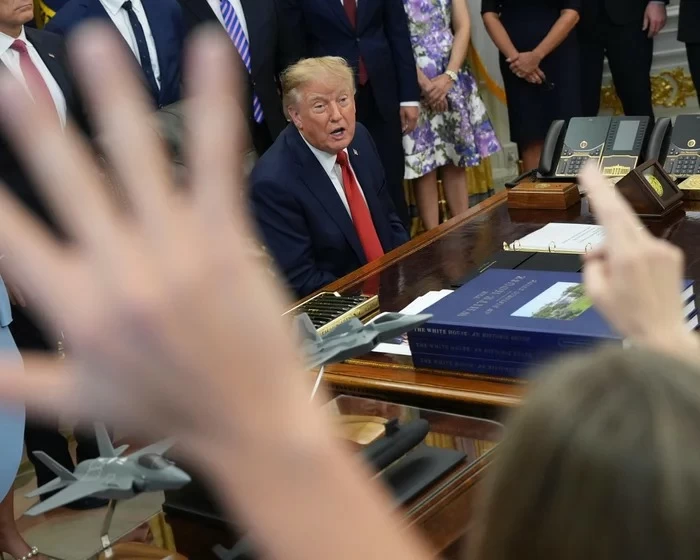
أمر قاضٍ فيدرالي أمريكي، اليوم (الخميس)، إدارة الرئيس دونالد ترمب بإعادة تصاريح الدخول إلى البيت الأبيض لصحفيي CNN وMS NOW وPolitico، معتبراً أن قرار حظر المؤسسات الإعلامية الثلاث من التغطية داخل البيت الأبيض يُرجح أن يكون مخالفاً للدستور الأمريكي.
وأصدر قاضي المحكمة الجزئية الأمريكية تيم كيلي القرار في إطار دعوى قضائية رفعتها المؤسسات الإعلامية الثلاث ضد إدارة ترمب، اعتراضاً على قرار الرئيس الأمريكي الذي صدر في 18 سبتمبر وحرم صحفييها من الوصول إلى البيت الأبيض.
ويشكل القرار انتكاسة قضائية لإدارة ترمب في نزاعها مع وسائل الإعلام، ولا سيما أن المحكمة أمرت الإدارة بإعادة التصاريح الصحفية فوراً، كما منعت المسؤولين من تنفيذ قرار الحظر لمدة 14 يوماً، في انتظار استمرار الإجراءات القضائية.
المحكمة تشكك في مبررات الأمن القومي
ورفض كيلي حجة الحكومة بأن قرار سحب التصاريح جاء بدافع اعتبارات تتعلق بالأمن القومي، مشيراً إلى عدم وجود أدلة واقعية كافية تثبت أن سحب التصاريح سيعزز الأمن القومي، أو أن إعادة التصاريح مؤقتاً خلال نظر القضية ستشكل خطراً على الأمن.
ولفت القاضي كذلك إلى أن ترمب نفسه كان قد ربط قرار الحظر بما وصفه بعدم مصداقية وتحيز تغطية المؤسسات الإعلامية الثلاث.
وكان ترمب قد قال عبر وسائل التواصل الاجتماعي إن المؤسسات الثلاث «لا ينبغي أن تتمكن باستمرار من كتابة أو نشر الخيال والأكاذيب»، في حين سعى محامو وزارة العدل إلى تبرير القرار استناداً إلى اعتبارات الأمن القومي.
المؤسسات الإعلامية تتهم الإدارة بانتهاك الدستور
ورفعت CNN وMS NOW وPolitico دعوى أمام محكمة فيدرالية في واشنطن، الإثنين الماضي، ضد ترمب وعدد من مسؤولي إدارته، معتبرة أن حظرها ينتهك ضمانات حرية التعبير وحرية الصحافة المنصوص عليها في التعديل الأول للدستور الأمريكي، فضلاً عن انتهاك حقوقها في الإجراءات القانونية الواجبة.
وطلبت المؤسسات من المحكمة إصدار أمر مؤقت يعيد وصول صحفييها إلى البيت الأبيض إلى حين الفصل في الدعوى الأساسية.
وخلال جلسة عقدت الأربعاء، أشار القاضي كيلي إلى سوابق قضائية صادرة عن محكمة الاستئناف الأمريكية لدائرة العاصمة واشنطن، قال إنها تؤكد حق الصحفيين في الحصول على إجراءات قانونية قبل سحب تصاريحهم الصحفية من البيت الأبيض.
وأضاف أن الإجراءات المتخذة ضد المؤسسات الثلاث لا يبدو أنها منحتها فرصة حقيقية للطعن في قرار سحب التصاريح.
وقال محامي المؤسسات الإعلامية أمام المحكمة إن الحظر فُرض دون إخطار مسبق أو منحها فرصة قانونية للاعتراض، واصفاً القرار بأنه إجراء غير مسبوق وقاسٍ وغير معقول.
وزارة العدل تتمسك بحق الرئيس
في المقابل، قالت محامية عن وزارة العدل إن إدارة ترمب قدمت تفسيراً كافياً لسحب التصاريح في رسائل وجهتها إلى المؤسسات الإعلامية يوم الثلاثاء، إلا أن كيلي أبدى تشككاً في هذه الحجة، مشيراً إلى أن الرسائل أُرسلت بعد سحب التصاريح بالفعل وبعد رفع الدعوى القضائية.
وكانت وزارة العدل قد دفعت، في مذكرة قانونية قدمتها الثلاثاء، بأن الوصول إلى البيت الأبيض يمثل امتيازاً وليس حقاً مكتسباً، وأن الرئيس يمتلك صلاحية تعليق وصول المؤسسات الإعلامية إلى البيت الأبيض.
منظمات صحفية تدعم الدعوى
وفي تطور متصل، قدم ائتلاف من منظمات الدفاع عن حرية الصحافة وعشرات المؤسسات الإعلامية مذكرة قانونية إلى المحكمة الأربعاء دعماً للمؤسسات الثلاث.
وجادلت المذكرة بأن حرمان الصحفيين والمؤسسات الإعلامية من حقوقهم بسبب وجهة نظر تحريرية متصورة يتعارض، بحسب مقدميها، مع سوابق قضائية راسخة للمحكمة العليا الأمريكية.
وضمت الجهات الموقعة على المذكرة لجنة المراسلين من أجل حرية الصحافة، ورويترز، وواشنطن بوست، وفوكس نيوز، إلى جانب مؤسسات أخرى.
وتأتي هذه المواجهة القضائية قبل أسابيع من انتخابات التجديد النصفي للكونغرس الأمريكي المقررة في 3 نوفمبر، في وقت يسعى فيه الجمهوريون إلى الحفاظ على سيطرتهم على الكونغرس، بينما تواجه إدارة ترمب ضغوطاً سياسية على خلفية قضايا من بينها الحرب في إيران والتضخم.
وتشكل القضية أحدث حلقة في النزاع بين إدارة ترمب وعدد من المؤسسات الإعلامية الأمريكية حول حدود سلطة البيت الأبيض في تنظيم وصول الصحفيين، ومدى ارتباط هذه القرارات بحرية الصحافة والحماية الدستورية لوسائل الإعلام.
A U.S. federal judge ordered President Donald Trump's administration today (Thursday) to restore White House press credentials for CNN, MS NOW, and Politico journalists, considering that the decision to ban the three media organizations from covering the White House is likely unconstitutional.
U.S. District Judge Tim Kelly issued the ruling in a lawsuit filed by the three media organizations against the Trump administration, protesting the president's decision made on September 18 that barred their journalists from accessing the White House.
The ruling represents a judicial setback for the Trump administration in its dispute with the media, especially as the court ordered the administration to immediately restore the press credentials and prohibited officials from enforcing the ban for 14 days, pending the continuation of legal proceedings.
The Court Questions National Security Justifications
Kelly rejected the government's argument that the decision to revoke the credentials was based on national security considerations, noting that there was insufficient factual evidence to prove that revoking the credentials would enhance national security or that temporarily restoring the credentials during the case would pose a security risk.
The judge also pointed out that Trump himself had linked the ban to what he described as the lack of credibility and bias in the coverage of the three media organizations.
Trump had stated on social media that the three organizations "should not be allowed to continually write or publish fiction and lies," while Justice Department lawyers sought to justify the decision based on national security considerations.
The Media Organizations Accuse the Administration of Violating the Constitution
CNN, MS NOW, and Politico filed a lawsuit in a federal court in Washington last Monday against Trump and several of his administration officials, arguing that the ban violates the guarantees of freedom of expression and freedom of the press enshrined in the First Amendment of the U.S. Constitution, as well as violating their rights to due process.
The organizations requested the court to issue a temporary order restoring their journalists' access to the White House until the main lawsuit is resolved.
During a hearing held on Wednesday, Judge Kelly referred to precedents from the U.S. Court of Appeals for the D.C. Circuit, stating that they affirm the right of journalists to receive legal procedures before their press credentials are revoked from the White House.
He added that the actions taken against the three organizations do not appear to have given them a real opportunity to challenge the decision to revoke the credentials.
The media organizations' lawyer stated in court that the ban was imposed without prior notice or giving them a legal opportunity to object, describing the decision as unprecedented, harsh, and unreasonable.
The Justice Department Stands by the President's Authority
In contrast, a lawyer for the Justice Department stated that the Trump administration provided a sufficient explanation for revoking the credentials in letters sent to the media organizations on Tuesday, but Kelly expressed skepticism about this argument, noting that the letters were sent after the credentials had already been revoked and after the lawsuit was filed.
The Justice Department had argued in a legal memorandum submitted on Tuesday that access to the White House is a privilege, not an inherent right, and that the president has the authority to suspend media organizations' access to the White House.
Journalistic Organizations Support the Lawsuit
In a related development, a coalition of press freedom advocacy organizations and dozens of media outlets submitted a legal memorandum to the court on Wednesday in support of the three organizations.
The memorandum argued that depriving journalists and media organizations of their rights due to a perceived editorial viewpoint contradicts, according to the signatories, established precedents of the U.S. Supreme Court.
Signatories to the memorandum included the Committee to Protect Journalists, Reuters, The Washington Post, Fox News, among other institutions.
This legal confrontation comes weeks before the U.S. midterm elections scheduled for November 3, as Republicans seek to maintain control of Congress while the Trump administration faces political pressures over issues including the war in Iran and inflation.
The case represents the latest chapter in the dispute between the Trump administration and several U.S. media organizations over the limits of the White House's authority in regulating journalists' access and the extent to which these decisions relate to press freedom and the constitutional protections for the media.