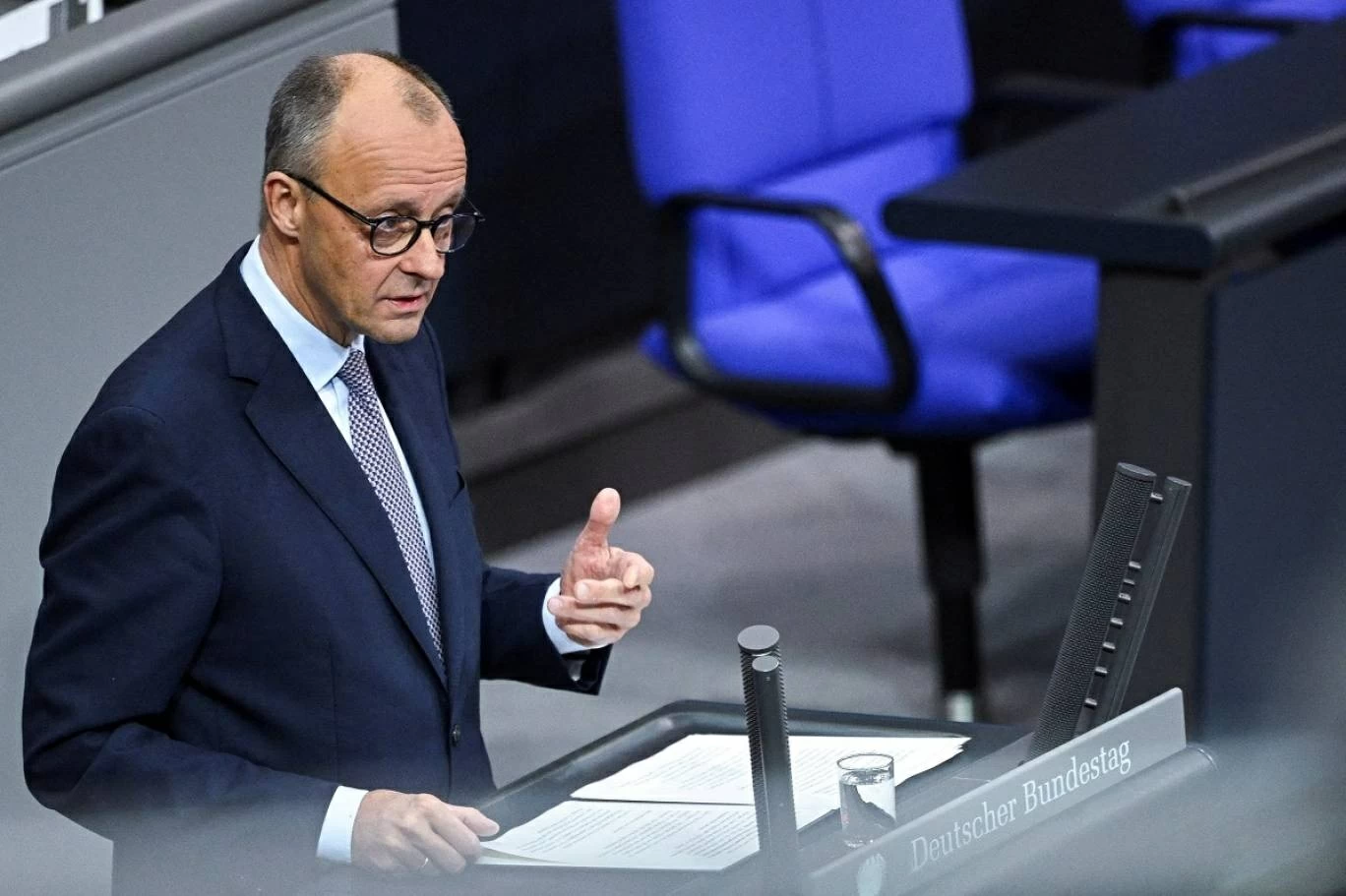
تترقب ألمانيا، اليوم (الأحد)، نتائج انتخابات ولايتين قد تتحولان إلى اختبار سياسي حاسم للمستشار فريدريش ميرتس، وسط تراجع حاد في شعبية حكومته وتصاعد الضغوط داخل حزبه الاتحاد الديمقراطي المسيحي، بعد 16 شهراً فقط من توليه السلطة.
وتتركز الأنظار على ولاية مكلنبورج-فوربومرن المطلة على بحر البلطيق، حيث يواجه حزب ميرتس خطر عدم تجاوز حاجز الـ5% اللازم لدخول برلمان الولاية. وتشير أحدث استطلاعات مؤسسة «إف جي فالن» إلى حصول الاتحاد الديمقراطي المسيحي على 6% فقط، مقابل 37% للحزب الاشتراكي الديمقراطي و36% لحزب البديل من أجل ألمانيا.
ويحمل فشل حزب ميرتس في تجاوز العتبة الانتخابية دلالة تاريخية، إذ سيكون أول خروج للاتحاد الديمقراطي المسيحي من برلمان إقليمي منذ تأسيس جمهورية ألمانيا الاتحادية عام 1949. ويرى أعضاء في الحزب أن مثل هذه النتيجة قد تفتح الباب أمام تحرك داخلي للمطالبة بتنحي ميرتس.
وفي برلين، يواجه الاتحاد الديمقراطي المسيحي منافسة أكثر ازدحاماً، إذ أظهر استطلاع أجرته «إف جي فالن» تقدم حزب اليسار بنسبة 22%، مقابل 20% للاتحاد الديمقراطي المسيحي. وحل حزب البديل من أجل ألمانيا ثالثاً بـ18%، يليه حزب الخضر بـ15%، بينما تراجع الحزب الاشتراكي الديمقراطي إلى المركز الخامس بـ12%.
وبدأ التصويت في الولايتين عند الساعة الثامنة صباحاً بالتوقيت المحلي، على أن تصدر التقديرات الأولى بعد إغلاق مراكز الاقتراع عند السادسة مساءً، فيما يُتوقع إعلان النتائج الأولية خلال الليل أو في الساعات الأولى من الاثنين.
وتأتي الانتخابات في وقت بلغت فيه شعبية ميرتس أدنى مستوياتها، وفق استطلاعات الرأي، مقارنة بأي مستشار ألماني منذ الحرب العالمية الثانية. وتواجه حكومته ضغوطاً بسبب الخلافات داخل الائتلاف وصعوبة استعادة النمو الاقتصادي بعد سنوات من الركود.
وفي محاولة لاحتواء التوتر الداخلي، دعا ميرتس قيادات الاتحاد الديمقراطي المسيحي، بينهم رؤساء حكومات ولايات يتمتعون بنفوذ داخل الحزب، إلى اجتماع في برلين مساء الأحد بالتزامن مع فرز الأصوات، وسط حديث عن مطالبته إياهم بتحديد موقفهم من مستقبله السياسي.
ويأتي ذلك بعد أسبوعين من صدمة انتخابية في ساكسونيا-أنهالت، حقق خلالها حزب البديل من أجل ألمانيا مكاسب كبيرة، بينما تراجع دعم الاتحاد الديمقراطي المسيحي الذي يحكم الولاية منذ عام 2002. واعتبر ميرتس النتيجة آنذاك الأسوأ لحزبه منذ عقود، وقال إن لها «عواقب».
ورغم صعود اليمين المتطرف، لا تشير نتائج الاستطلاعات في الولايتين إلى طريق واضح أمامه لتشكيل حكومة، في ظل رفض الأحزاب الأخرى التعاون معه.
Germany is awaiting the results of elections in two states today (Sunday), which could turn into a crucial political test for Chancellor Friedrich Merz, amid a sharp decline in his government's popularity and rising pressures within his party, the Christian Democratic Union, just 16 months after taking office.
All eyes are on the state of Mecklenburg-Vorpommern, located on the Baltic Sea, where Merz's party faces the risk of not surpassing the 5% threshold necessary to enter the state parliament. The latest polls from the "FG Wahlen" institute indicate that the Christian Democratic Union is receiving only 6%, compared to 37% for the Social Democratic Party and 36% for the Alternative for Germany party.
The failure of Merz's party to surpass the electoral threshold carries historical significance, as it would mark the first exit of the Christian Democratic Union from a regional parliament since the establishment of the Federal Republic of Germany in 1949. Some members of the party believe that such a result could open the door for internal moves demanding Merz's resignation.
In Berlin, the Christian Democratic Union faces a more crowded competition, as a poll conducted by "FG Wahlen" showed the Left Party leading with 22%, compared to 20% for the Christian Democratic Union. The Alternative for Germany party came in third with 18%, followed by the Greens with 15%, while the Social Democratic Party dropped to fifth place with 12%.
Voting in the two states began at 8 AM local time, with initial estimates expected to be released after polling stations close at 6 PM, while preliminary results are anticipated to be announced during the night or in the early hours of Monday.
The elections come at a time when Merz's popularity has reached its lowest levels, according to opinion polls, compared to any German chancellor since World War II. His government is facing pressures due to disputes within the coalition and the difficulty of restoring economic growth after years of stagnation.
In an attempt to contain internal tensions, Merz invited leaders of the Christian Democratic Union, including influential state governors within the party, to a meeting in Berlin on Sunday evening coinciding with the vote counting, amid discussions about his request for them to clarify their stance on his political future.
This comes two weeks after an electoral shock in Saxony-Anhalt, where the Alternative for Germany party made significant gains, while support for the Christian Democratic Union, which has governed the state since 2002, declined. Merz considered that result the worst for his party in decades and stated that it has "consequences."
Despite the rise of the far-right, the polling results in the two states do not indicate a clear path for him to form a government, as other parties refuse to cooperate with him.