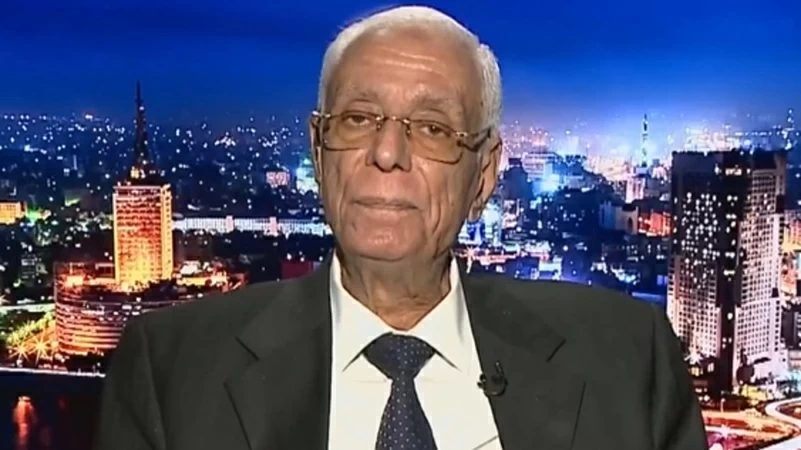
أثار تصريح لأستاذ طب الحالات الحرجة بمصر الدكتور حسام موافي، موجة واسعة من التفاعل؛ بعدما دعا رسمياً إلى إعادة النظر في سن التقاعد الحالي ورفعه ليصبح بين 65 و70 عاماً، معتبراً أن الخروج «على المعاش» في سن الستين بات أمراً متجاوزاً ومجحفاً لخبرات الكوادر البشرية.
وفي حديثه التلفزيوني الداعي لمراجعة القرار الحكومي، استخدم موافي تعبيراً حاداً بقوله: «اللي عنده 60 سنة دلوقتي عَيِّل.. حرام المعاش يكون عند 60»، مشيراً إلى أن التطور الطبي القائم وارتفاع متوسط الأعمار أثبتا أن الموظف عند هذه السن يكون في قمة عطائه وعلمه وليس في نهاية مطافه العملي.
وطرح الطبيب المصري حلاً بديلاً يعتمد على «المعيار الطبي» بدلاً من «الرقم الزمني»، مقترحاً إخضاع الموظف عند بلوغه الستين لكشف صحي دقيق يحدد قدرته الفعلية على مواصلة العطاء من عدمها، مستشهداً بوجود جراحين وأطباء تتجاوز أعمارهم الثمانين عاماً وما زالوا يقودون العمليات المعقدة بنجاح.
وعلى الجانب التشريعي، أثار الاقتراح تساؤلات سريعة حول الموقف القانوني، حيث يحدد القانون المصري الحالي سن الشيخوخة والتقاعد عند 60 عاماً، مع خطة تطبق بالتدريج للوصول إلى 65 عاماً بحلول عام 2040، مما يجعل أفكار الدكتور حسام موافي مجرد رأي وطرح للرأي العام لم يتحول إلى قرار حكومي نافذ.
ورغم ذلك، أعادت هذه التصريحات فتح الملف المسكوت عنه حول جدوى الاستفادة من خبرات كبار السن، وسط انقسام في الشارع المصري بين مؤيد ومعارض، في ظل رغبة عارمة بين رواد التواصل الاجتماعي في استمرار العطاء والاستفادة من أهل الخبرات.
A statement by Dr. Hossam Mowafi, a professor of critical care medicine in Egypt, has sparked a wide wave of reactions; after he officially called for a reconsideration of the current retirement age, suggesting it be raised to between 65 and 70 years, considering that retiring "at the age of sixty" has become outdated and unfair to the expertise of human resources.
In his television talk advocating for a review of the government decision, Mowafi used a strong expression, saying: "Anyone who is 60 years old now is still young... it's a shame to retire at 60," pointing out that the current medical advancements and the increase in life expectancy have proven that employees at this age are at the peak of their productivity and knowledge, not at the end of their professional journey.
The Egyptian doctor proposed an alternative solution based on "medical criteria" instead of "chronological age," suggesting that employees should undergo a thorough health examination upon reaching sixty to determine their actual ability to continue contributing, citing the existence of surgeons and doctors over eighty years old who are still successfully leading complex surgeries.
On the legislative side, the proposal raised quick questions about the legal stance, as current Egyptian law sets the retirement age at 60, with a gradual plan to reach 65 by 2040, making Dr. Hossam Mowafi's ideas merely an opinion and a public proposal that has not yet turned into an enforceable government decision.
Nevertheless, these statements have reopened the suppressed file regarding the feasibility of benefiting from the expertise of the elderly, amidst a division in Egyptian society between supporters and opponents, with a strong desire among social media users to continue benefiting from experienced individuals.