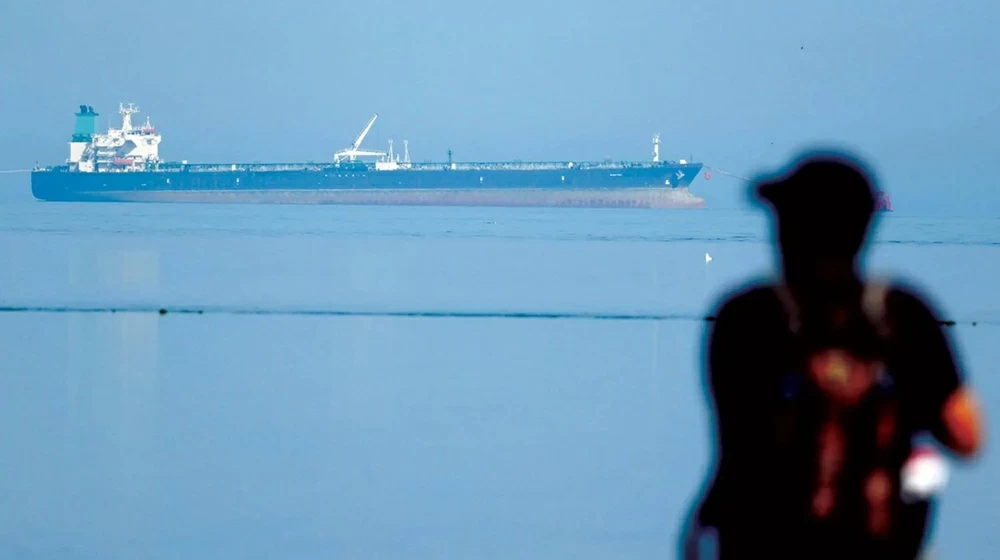
أكدت الهند، الخميس، تمسكها الراسخ بضمان أمن الطاقة لمواطنيها، مشددة على أنها ستواصل الحصول على احتياجاتها من مصادر متنوعة وبائعين مختلفين، وفقاً لتطورات السوق، وذلك بعد ساعات من تحرك أمريكي جديد يستهدف الدول التي تواصل شراء النفط والغاز الروسيين.
وقالت وزارة الخارجية الهندية إن نيودلهي سبق أن حذرت واشنطن من أن أي إجراءات أمريكية جديدة تستهدف مشتري الطاقة الروسية قد تنعكس على العلاقات الثنائية بين البلدين، فضلاً عن تداعياتها المحتملة على أسواق الطاقة العالمية.
وجاء الموقف الهندي بعد أن أقر مجلس النواب الأمريكي مشروع قانون واسع النطاق يتضمن عقوبات ورسومًا جمركية تهدف إلى زيادة الضغوط الاقتصادية على روسيا بسبب حربها في أوكرانيا.
رسوم جمركية تصل إلى 100%
ويمنح مشروع القانون الرئيس الأمريكي دونالد ترمب صلاحية فرض رسوم جمركية مشددة تصل إلى 100% على دول، من بينها الهند، بهدف الحد من اعتمادها على النفط والغاز الروسيين، إلى جانب توسيع نطاق العقوبات المفروضة على إيران.
ومن المقرر إحالة مشروع القانون إلى ترمب، الذي يحتاج إلى توقيعه حتى يدخل حيز التنفيذ كقانون.
وقالت وزارة الخارجية الهندية في بيان إنها أخذت علماً بإقرار التشريع، مشيرة إلى أن نيودلهي أثارت هذه المسألة مع عدد من المسؤولين الأمريكيين خلال الأشهر الماضية.
وأضافت أن الجانب الهندي أوضح «بشكل جلي» التداعيات المحتملة لأي إجراءات من هذا النوع على العلاقات الثنائية وعلى سوق الطاقة الدولية.
وأكدت الوزارة أن الهند مصممة على اتخاذ جميع الإجراءات اللازمة لحماية مصالحها التجارية والاقتصادية، موضحة أن الحكومة ستعمل بشكل وثيق مع الهيئات المعنية بالتجارة والصناعة للتعامل مع التداعيات المحتملة للتشريع الأمريكي.
الهند من أكبر مشتري النفط الروسي
وتُعد الهند، ثالث أكبر مستورد للنفط في العالم، واحدة من أكبر الدول شراءً للخام الروسي، الذي يُنظر إليه على أنه مصدر مهم لمساعدة موسكو في دعم إيرادات موازنتها منذ بدء الحرب الروسية الأوكرانية في عام 2022 وفرض العقوبات الغربية الواسعة على روسيا.
وخلال الفترة الماضية، قاومت نيودلهي مراراً الضغوط الرامية إلى تقليص تجارتها النفطية مع موسكو، مؤكدة أن احتياجاتها الضخمة من الطاقة تفرض عليها تأمين إمدادات مستقرة وموثوقة وبأسعار مناسبة.
وتتمسك الهند بأن سياستها في شراء الطاقة تستند إلى احتياجات اقتصادها وسكانها، في وقت تحاول فيه الموازنة بين الحفاظ على أمن الطاقة وتعاملاتها التجارية من جهة، والتعامل مع الضغوط الأمريكية والغربية بشأن مشترياتها من النفط الروسي من جهة أخرى.
ويفتح التحرك الأمريكي الأخير الباب أمام مرحلة جديدة من الضغوط الاقتصادية على الدول التي تواصل استيراد الطاقة الروسية، في وقت تحذر فيه الهند من أن مثل هذه الإجراءات قد تمتد آثارها إلى العلاقات بين نيودلهي وواشنطن وإلى استقرار أسواق الطاقة العالمية.
India reaffirmed on Thursday its firm commitment to ensuring energy security for its citizens, emphasizing that it will continue to source its needs from diverse sources and different vendors, according to market developments, just hours after a new U.S. move targeting countries that continue to purchase Russian oil and gas.
The Indian Ministry of External Affairs stated that New Delhi had previously warned Washington that any new U.S. actions targeting Russian energy buyers could impact bilateral relations between the two countries, as well as have potential repercussions on global energy markets.
The Indian stance came after the U.S. House of Representatives approved a broad bill that includes sanctions and tariffs aimed at increasing economic pressure on Russia due to its war in Ukraine.
Tariffs of up to 100%
The bill grants U.S. President Donald Trump the authority to impose stringent tariffs of up to 100% on countries, including India, in an effort to reduce their reliance on Russian oil and gas, alongside expanding the scope of sanctions imposed on Iran.
The bill is set to be referred to Trump, who needs to sign it for it to take effect as law.
The Indian Ministry of External Affairs stated in a statement that it has noted the passage of the legislation, indicating that New Delhi has raised this issue with several U.S. officials over the past months.
It added that the Indian side clearly outlined the potential repercussions of any such actions on bilateral relations and on the international energy market.
The ministry affirmed that India is determined to take all necessary measures to protect its commercial and economic interests, explaining that the government will work closely with relevant trade and industry bodies to address the potential repercussions of the U.S. legislation.
India is one of the largest buyers of Russian oil
India, the third-largest oil importer in the world, is one of the largest purchasers of Russian crude, which is viewed as an important source to help Moscow support its budget revenues since the onset of the Russian-Ukrainian war in 2022 and the imposition of extensive Western sanctions on Russia.
In recent times, New Delhi has repeatedly resisted pressures to reduce its oil trade with Moscow, asserting that its massive energy needs compel it to secure stable, reliable, and reasonably priced supplies.
India maintains that its energy purchasing policy is based on the needs of its economy and population, while trying to balance energy security and its trade dealings on one hand, and dealing with U.S. and Western pressures regarding its purchases of Russian oil on the other.
The recent U.S. move opens the door to a new phase of economic pressure on countries that continue to import Russian energy, at a time when India warns that such measures could extend their effects to relations between New Delhi and Washington and to the stability of global energy markets.