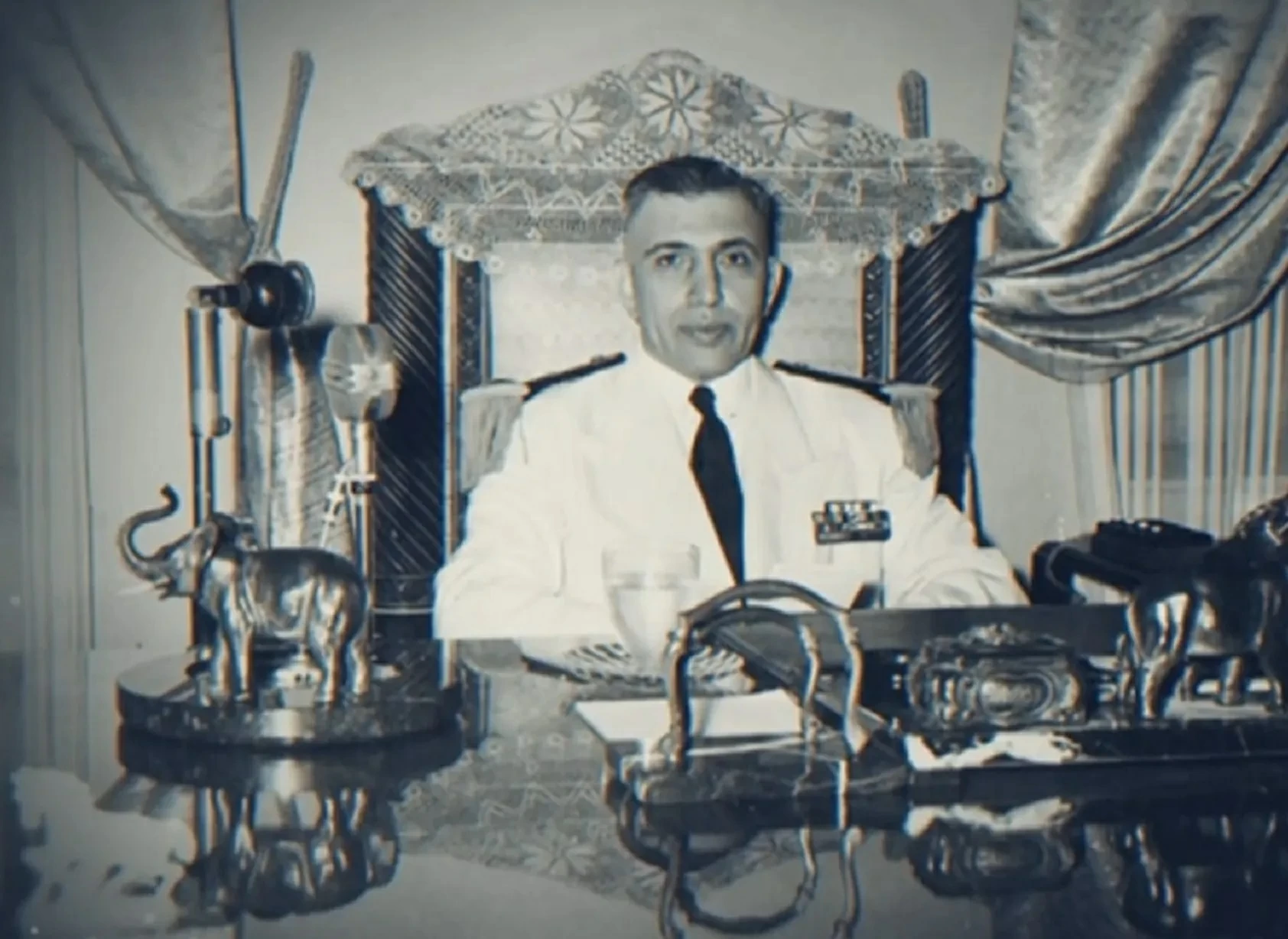
حين يُذكر الرئيس السوري أديب الشيشكلي، غالبًا ما تحضر صورة العسكري والانقلابات والصراعات السياسية التي عاشتها سورية في مطلع الخمسينيات. لكن خلف هذه الصورة، يعرض كتاب «الحقيقة المغيبة»، الذي كتبه بسام برازي وسعد فنصة، تجربة أخرى لم تنل ما تستحقه من قراءة: رجل دولة حاول، خلال سنوات قليلة، بناء اقتصاد منتج، ومؤسسات وطنية مستقلة، وسياسة خارجية تجعل القرار السوري فوق إملاءات الشرق والغرب.
ويروي الكتاب أن الشيشكلي كان ينظر إلى الاستقلال باعتباره أكثر من خروج القوات الأجنبية من البلاد. فالاستقلال، في رؤيته وممارسته، يحتاج إلى اقتصاد قادر على الإنتاج، ونقد وطني مستقل، وزراعة وصناعة قادرتين على النمو، ودولة تستطيع التعامل مع الخارج من موقع المصلحة والسيادة.
نهضة بدأت من الأرض
يذكر الكتاب في الطبعة الجديدة والمزيدة والمنقحة، أن الشيشكلي أدرك أهمية الزراعة بوصفها ركيزة أساسية للاقتصاد السوري، فأعطاها أولوية واضحة في مشروعه الإصلاحي. ويستعرض الكتاب التشريعات التي صدرت لتنظيم الزراعة واستصلاح الأراضي، وتوفير البذار، ودعم المصرف الزراعي وإقراض الفلاحين، وتشجيع زيادة الإنتاج. وتظهر الأرقام التي يوردها الكتاب حجم التحول الذي شهدته سورية في تلك المرحلة. فقد ارتفعت مساحة الأراضي المزروعة من نحو 2.314 مليون هكتار في موسم 1946–1947 إلى 3.688 مليون هكتار في موسم 1952–1953، بزيادة تقارب 59 في المئة.
أما الأراضي المروية فارتفعت من نحو 237 ألف هكتار إلى قرابة 400 ألف هكتار، أي بزيادة تقارب 69 في المئة. ويرى الكتاب أن هذه الأرقام تعكس مرحلة توسع زراعي مهمة، تزامنت في عهد الشيشكلي مع سياسات واضحة لدعم الزراعة والاستصلاح والري والائتمان الزراعي، والسعي إلى جعل الإنتاج الزراعي ركيزة للتنمية الوطنية.
الصناعة والإدارة.. بناء دولة حديثة
لم يتوقف مشروع الإصلاح، بحسب الكتاب، عند الزراعة. ويشير الكتاب إلى أن الدولة عملت على تشجيع الصناعة الوطنية وحماية الإنتاج المحلي، وتقديم التسهيلات والإعفاءات، وتنظيم التجارة الداخلية ومواجهة الاحتكار. وترافقت السياسة الاقتصادية، وفق ما يورده الكتاب، مع إصلاح إداري وضريبي شمل الضرائب التصاعدية على الدخل والعقارات، وتحسين أوضاع العاملين في مؤسسات الدولة، وتنظيم أجهزة الإدارة العامة على أسس أكثر حداثة. وكان من أبرز إنجازات تلك المرحلة، كما يروي الكتاب، تحرير السياسة النقدية السورية من التبعية، وتنظيم سوق القطع، ووضع التشريعات التي أسست لقيام مصرف سورية المركزي. ويعرض الكتاب الاستقلال النقدي باعتباره أكثر من تفصيل تقني، بل جزءًا من مفهوم أوسع للسيادة: أن تمتلك الدولة قرارها المالي كما تمتلك قرارها السياسي. ولهذا، نُظر إلى تحرير النقد وبناء المؤسسات النقدية الوطنية، بحسب الكتاب، باعتباره إنجازًا بالغ الأهمية في دولة لم يمضِ على جلاء القوات الأجنبية عنها سوى سنوات قليلة.
السعودية.. شراكة عربية مبكرة
ومن الصفحات اللافتة التي يتناولها الكتاب في تلك المرحلة العلاقة الاقتصادية مع السعودية. وتشير المصادر التي يستند إليها الكتاب إلى أن القرض الأجنبي الوحيد الذي تعاقدت عليه سورية في تلك الفترة كان قرض المملكة العربية السعودية عام 1950، وقيمته ستة ملايين دولار أمريكي. لكن أهمية القرض، كما يعرضها الكتاب، لم تكن في قيمته وحدها، بل في الطريقة التي صيغ بها. فقد اقترن باتفاق تجاري يسمح بتسديده من خلال الصادرات السورية إلى المملكة، بما يفتح سوقًا أمام المنتجات السورية ويحوّل التمويل إلى علاقة اقتصادية تحقق منفعة للطرفين. ويقدم الكتاب ذلك بوصفه نموذجًا مبكرًا لشراكة عربية تقوم على التجارة والمصلحة المشتركة دون وصاية سياسية. وهذه الفلسفة نفسها ستظهر بصورة أوضح، بحسب الكتاب، في تعامل الشيشكلي مع الولايات المتحدة.
صداقة أمريكا.. ولكن من موقع الندية
لم يكن أديب الشيشكلي، وفق ما يورده الكتاب، معاديًا للغرب، ولم يكن تابعًا له. وتكشف الوثائق الأمريكية التي يعرضها الكتاب عن اتصالات ومناقشات معه حول التنمية والمساعدات وتسليح الجيش والدفاع الإقليمي. وكان مستعدًا لبناء علاقة جيدة مع واشنطن عندما تخدم مصالح سورية. لكنه رسم خطًا واضحًا: لا مساعدة على حساب السيادة.
فعندما رأى أن بعض برامج المساعدات تحمل شروطًا يمكن أن تمس استقلال القرار السوري، رفضها. وفي شهادة تتعلق بعروض المساعدات الأمريكية يظهر موقفه الرافض لمساعدة أجنبية قد يكون لها ثمن «يمس الاستقلال».
وكان ذلك موقفًا لافتًا لدولة حديثة الاستقلال تحتاج إلى المال والسلاح.
فالشيشكلي، بحسب الكتاب، لم يرفض التعاون، بل أراد أن تكون سورية هي التي تقرر ما تقبله وما ترفضه وفق مصالحها الوطنية.
ولم يكن رفض بعض الشروط الغربية مقدمة للارتماء في المعسكر السوفيتي؛ فالوثائق التي يستعرضها الكتاب تظهر أنه لم يكن يرغب في المساعدة الروسية أيضًا.
كانت سياسته تقوم، وفق الكتاب، على البحث عن مساحة سورية مستقلة بين القوتين.
فلسطين.. واقعية بلا تنازل
ويظهر هذا النهج بوضوح، كما يعرضه الكتاب، في موقفه من إسرائيل. فتظهر الوثائق التي يستند إليها الكتاب أن الشيشكلي تعامل مع وجود إسرائيل باعتباره أمرًا واقعًا، لكنه رفض أن يعني ذلك التخلي عن الحقوق العربية. وطالب بإلزامها بقرارات الأمم المتحدة المتعلقة بفلسطين واللاجئين والحدود والقدس، ورأى أن الضغط السياسي والاقتصادي يمكن أن يكون وسيلة لدفعها إلى الالتزام بالقرارات الدولية وتجنب حرب جديدة. كانت واقعية رجل دولة، وفق قراءة الكتاب: التعامل مع ما هو قائم على الأرض، مع التمسك بالحقوق واستخدام السياسة والقانون الدولي للدفاع عنها. وكان ينتقد واشنطن لأنها تطلب من العرب الوقوف معها في مواجهة الاتحاد السوفيتي، بينما لا تمنحهم الشعور نفسه بالعدالة عندما يتعلق الأمر بإسرائيل.
الحقيقة المغيبة
مياه الأردن.. حين تصبح السيادة فعلًا
وعندما تعلق الأمر بحقوق سورية المباشرة في مياه نهر الأردن، كان موقف الشيشكلي، بحسب الكتاب، أكثر حزمًا. رفض المقترحات التي لم تتضمن اعترافًا كافيًا بالحقوق السورية في مياه النهر، وطالب بأن تكون هذه الحقوق أساسًا لأي اتفاق. وعندما ظهر احتمال استئناف إسرائيل أعمال تحويل المياه، أكد أن سورية ستستخدم الوسائل المتاحة للدفاع عن حقوقها. وحتى احتمال الاستفادة من الفيتو السوفيتي في مجلس الأمن تعامل معه، وفق ما يورده الكتاب، باعتباره أداة لحماية حق سوري، لا بوابة لتغيير موقع سورية الدولي. كان يريد من الغرب أن يفهم، بحسب الكتاب، أن صداقة سورية لا تعني أن تتخلى دمشق عن مصالحها.
قوة العرب قبل القواعد الأجنبية
وكان موقفه من مشاريع الدفاع الإقليمي امتدادًا للفكرة نفسها، حيث يروي الكتاب أن الشيشكلي رأى أن الطريق الصحيح لحماية المنطقة يبدأ بـتقوية الجيوش العربية وتسليحها وتمكين شعوبها من الدفاع عن أراضيها، لا بإقامة المزيد من القواعد الأجنبية.
وكان يسأل عن جدوى مطالبة العرب بالدخول في منظومة دفاعية غربية بينما القضية الفلسطينية، وهي أكثر القضايا تأثيرًا في الرأي العام العربي، لا تزال بلا حل عادل.
وفي الوحدة العربية أيضًا، جمع بين الطموح والواقعية، بحسب الكتاب. كان مؤمنًا بها، لكنه أدرك أن عقودًا من الانتداب والتقسيم والمعاهدات الأجنبية خلقت دولًا ومصالح ومؤسسات مختلفة، وأن الوحدة الحقيقية تحتاج إلى بناء تدريجي ومتين، لا إلى شعار سريع.
رجل دولة أراد استقلالًا كاملًا
عند قراءة هذه الملفات مجتمعة، يخلص الكتاب إلى أنه يصعب اختزال أديب الشيشكلي في صورة الضابط الذي وصل إلى الحكم في زمن الانقلابات. ويقدم الكتاب ما يراه مشروع دولة: دعم الزراعة والري، تشجيع الصناعة الوطنية، إصلاح الضرائب والإدارة، بناء المؤسسات النقدية، والانفتاح على العالم مع حماية استقلال القرار السوري. ومن الرياض إلى واشنطن، ومن السياسة النقدية إلى مياه نهر الأردن، يظهر خيط واحد يجمع سياساته، كما يعرضه الكتاب:
سورية تتعاون مع الجميع، لكنها لا تكون تابعة لأحد.
وبحسب الكتاب، بعد سنوات قليلة فقط من الاستقلال، كان أديب الشيشكلي يحاول نقل سورية من مرحلة الاحتفال بالسيادة إلى مرحلة امتلاك أدوات السيادة: اقتصاد منتج، نقد مستقل، مؤسسات وطنية، جيش قادر، وسياسة خارجية تتحدث باسم المصلحة السورية. ولهذا فإن إعادة قراءة تجربته اليوم، وفق رؤية الكتاب، ليست مجرد عودة إلى صفحة من تاريخ الخمسينات، بل استعادة لرؤية مبكرة لما يجب أن تكون عليه الدولة: قوية باقتصادها، مستقلة بقرارها، عربية بانتمائها، منفتحة على العالم، ولا تقبل أن يكون ثمن الصداقة أو المساعدة جزءًا من سيادتها. تلك كانت، في جوهرها، الدولة التي أراد أديب الشيشكلي، كما يقدمها كتاب «الحقيقة المغيبة»، أن يبنيها.
When the Syrian President Adib al-Shishakli is mentioned, the image of a military figure, coups, and the political conflicts that Syria experienced in the early 1950s often comes to mind. However, behind this image, the book "The Hidden Truth," written by Bassam Barazi and Saad Fannousa, presents another experience that has not received the attention it deserves: a statesman who, in just a few years, attempted to build a productive economy, independent national institutions, and a foreign policy that places the Syrian decision above the dictates of East and West.
The book recounts that al-Shishakli viewed independence as more than just the withdrawal of foreign troops from the country. For him, independence, in both vision and practice, requires an economy capable of production, an independent national currency, agriculture and industry capable of growth, and a state that can engage with the outside world from a position of interest and sovereignty.
A Renaissance That Started from the Ground
The book mentions in its new, expanded, and revised edition that al-Shishakli recognized the importance of agriculture as a fundamental pillar of the Syrian economy, giving it a clear priority in his reform project. It reviews the legislation that was issued to organize agriculture, reclaim land, provide seeds, support the agricultural bank, lend to farmers, and encourage increased production. The figures presented in the book illustrate the scale of the transformation that Syria witnessed during that period. The area of cultivated land increased from about 2.314 million hectares in the 1946–1947 season to 3.688 million hectares in the 1952–1953 season, an increase of nearly 59 percent.
As for irrigated lands, they rose from about 237,000 hectares to nearly 400,000 hectares, an increase of approximately 69 percent. The book argues that these figures reflect a significant phase of agricultural expansion, coinciding during al-Shishakli's era with clear policies to support agriculture, reclamation, irrigation, and agricultural credit, aiming to make agricultural production a cornerstone of national development.
Industry and Administration.. Building a Modern State
According to the book, the reform project did not stop at agriculture. It notes that the state worked to encourage national industry, protect local production, provide facilities and exemptions, organize internal trade, and confront monopolies. The economic policy, as reported by the book, was accompanied by administrative and tax reforms that included progressive taxes on income and property, improving the conditions of workers in state institutions, and organizing public administration on more modern bases. Among the most notable achievements of that period, as the book recounts, was liberating the Syrian monetary policy from dependency, organizing the foreign exchange market, and establishing legislation that led to the creation of the Central Bank of Syria. The book presents monetary independence as more than just a technical detail, but as part of a broader concept of sovereignty: that the state should have its financial decision just as it has its political decision. For this reason, the liberation of currency and the establishment of national monetary institutions were viewed, according to the book, as a highly significant achievement in a state that had only recently freed itself from foreign troops.
Saudi Arabia.. An Early Arab Partnership
Among the notable pages the book covers during that period is the economic relationship with Saudi Arabia. The sources the book relies on indicate that the only foreign loan Syria contracted during that time was from the Kingdom of Saudi Arabia in 1950, valued at six million US dollars. However, the importance of the loan, as presented in the book, was not just in its value, but in the way it was structured. It was coupled with a trade agreement allowing repayment through Syrian exports to the Kingdom, thereby opening a market for Syrian products and transforming financing into an economic relationship that benefits both parties. The book presents this as an early model of Arab partnership based on trade and mutual interest without political tutelage. This same philosophy would become clearer, according to the book, in al-Shishakli's dealings with the United States.
Friendship with America.. But from a Position of Equality
According to the book, Adib al-Shishakli was not anti-Western, nor was he subservient to it. The American documents presented in the book reveal communications and discussions with him regarding development, aid, military armament, and regional defense. He was willing to build a good relationship with Washington when it served Syrian interests. However, he drew a clear line: no assistance at the expense of sovereignty.
When he saw that some aid programs carried conditions that could affect the independence of the Syrian decision, he rejected them. In a testimony regarding American aid offers, his stance against foreign assistance that might come at a price "that affects independence" is evident.
This was a striking position for a newly independent state in need of money and weapons.
According to the book, al-Shishakli did not refuse cooperation; rather, he wanted Syria to be the one to decide what it accepts and what it rejects based on its national interests.
His rejection of some Western conditions was not a precursor to falling into the Soviet camp; the documents reviewed in the book show that he did not seek Russian assistance either.
His policy was based, according to the book, on seeking an independent Syrian space between the two powers.
Palestine.. Realism Without Compromise
This approach is clearly illustrated, as the book presents, in his position on Israel. The documents the book relies on show that al-Shishakli dealt with the existence of Israel as a fait accompli, but he refused to let that mean abandoning Arab rights. He demanded that Israel be bound by United Nations resolutions regarding Palestine, refugees, borders, and Jerusalem, and believed that political and economic pressure could be a means to push it to comply with international resolutions and avoid a new war. It was the realism of a statesman, according to the book's interpretation: dealing with what exists on the ground while adhering to rights and using politics and international law to defend them. He criticized Washington for asking Arabs to stand with it against the Soviet Union while not granting them the same sense of justice when it comes to Israel.
الحقيقة المغيبة
The Waters of Jordan.. When Sovereignty Becomes Action
When it came to Syria's direct rights to the waters of the Jordan River, al-Shishakli's stance, according to the book, was more resolute. He rejected proposals that did not include sufficient recognition of Syrian rights to the river's waters and insisted that these rights be the basis for any agreement. When the possibility of Israel resuming water diversion activities arose, he affirmed that Syria would use available means to defend its rights. Even the possibility of benefiting from the Soviet veto in the Security Council was treated, as the book reports, as a tool to protect a Syrian right, not as a gateway to change Syria's international position. He wanted the West to understand, according to the book, that Syria's friendship does not mean that Damascus will abandon its interests.
The Strength of Arabs Before Foreign Bases
His position on regional defense projects extended this same idea, where the book recounts that al-Shishakli saw that the correct path to protect the region begins with strengthening Arab armies, arming them, and empowering their peoples to defend their lands, rather than establishing more foreign bases.
He questioned the usefulness of asking Arabs to join a Western defense system while the Palestinian issue, which is the most influential issue in Arab public opinion, remains unresolved fairly.
In Arab unity as well, he combined ambition and realism, according to the book. He believed in it, but he realized that decades of mandate, division, and foreign treaties had created different states, interests, and institutions, and that true unity requires gradual and solid building, not a quick slogan.
A Statesman Who Wanted Complete Independence
When reading these files together, the book concludes that it is difficult to reduce Adib al-Shishakli to the image of the officer who came to power during a time of coups. The book presents what it sees as a state project: supporting agriculture and irrigation, encouraging national industry, reforming taxes and administration, building monetary institutions, and opening up to the world while protecting the independence of the Syrian decision. From Riyadh to Washington, and from monetary policy to the waters of the Jordan River, a single thread runs through his policies, as the book presents:
Syria cooperates with everyone, but it does not become subordinate to anyone.
According to the book, just a few years after independence, Adib al-Shishakli was trying to move Syria from a phase of celebrating sovereignty to a phase of possessing the tools of sovereignty: a productive economy, an independent currency, national institutions, a capable army, and a foreign policy that speaks in the name of Syrian interests. Therefore, re-reading his experience today, according to the book's vision, is not merely a return to a page from the history of the 1950s, but a revival of an early vision of what the state should be: strong in its economy, independent in its decision, Arab in its affiliation, open to the world, and unwilling to accept that the price of friendship or assistance is part of its sovereignty. That was, in essence, the state that Adib al-Shishakli, as presented in the book "The Hidden Truth," sought to build.