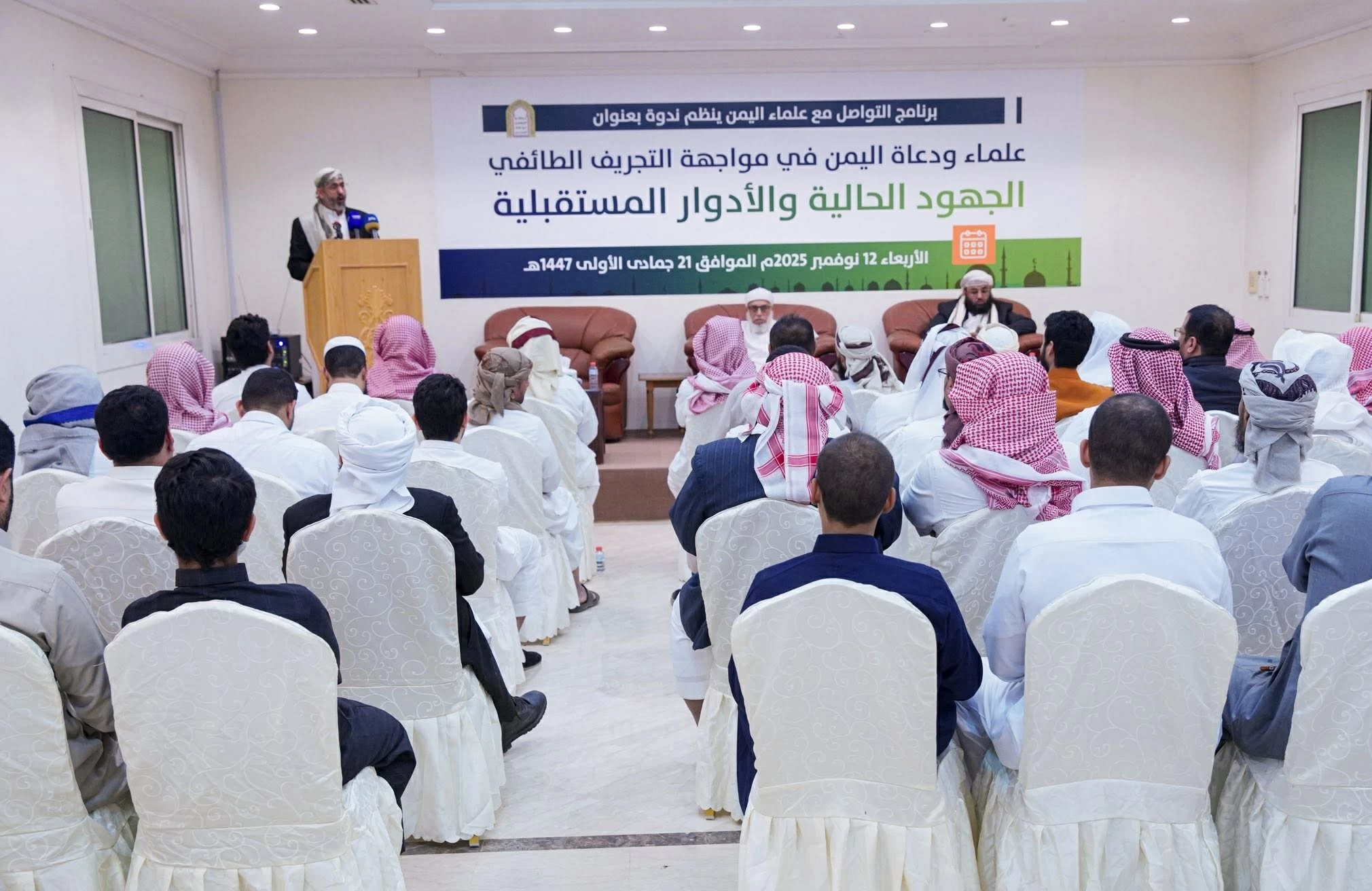
يتواصل الغضب اليمني جراء استهداف مليشيا الحوثي مكة المكرمة، وسط إدانات واسعة من دعاة ورجال دين وأكاديميين، شددوا لـ«عكاظ» على ضرورة رفض هذا الإجرام، مؤكدين أنه يكشف طبيعة المليشيا وأهدافها وأجندتها الخارجية.
وقال الداعية والدكتور في الشريعة عرفات بن حسن المحمدي، إن ما تقوم به مليشيا الحوثي في اليمن من قتل وتشريد وهدم وتفجير للمساجد والدور والمدارس، يأتي انطلاقاً من عقيدتها وضلالاتها، مشيراً إلى أن المليشيا تسعى إلى فرض مشروع سلالي على اليمنيين.
وأوضح المحمدي أن تمادي الحوثي واستهداف بيت الله الحرام بالصواريخ والطائرات المسيرة يمثل عملاً إرهابياً يناقض روح الإسلام ومبادئه، داعياً العلماء ورجال الدين إلى إدانة هذا الإجرام، والتعريف بخطر المليشيا والتحذير من تمددها في بلاد المسلمين.
وأشار إلى أن انتهاكات الحوثي لحرمة مكة والمساجد تكشف حقيقة شعاراته، داعياً اليمنيين إلى جمع الكلمة للخروج من الأزمة والتخلص من المليشيا، ومثمناً دور التحالف في جمع كلمة اليمنيين ضد من يقتلهم ويشردهم.
من جانبه، قال الدكتور عبدالله مرعي إن المحاولات الحوثية المتكررة لاستهداف مكة المكرمة تؤكد، بحسب رأيه، ارتباط المليشيا بالمشروع الإيراني، معتبراً أن استهداف المقدسات ليس تصعيداً عسكرياً عابراً، بل يعكس، وفق وصفه، عقيدة تستهدف المقدسات.
وأوضح مرعي أن هجمات الحوثي على البحر الأحمر وباب المندب، بالتزامن مع استهداف المقدسات، تكشف عن مسعى لفرض معادلة نفوذ جديدة، مؤكداً أن استهداف مكة يمثل صدمة للعالم الإسلامي ويكشف، بحسب قوله، زيف الشعارات التي ترفعها المليشيا بشأن الدفاع عن المقدسات.
وشدد على أن الخطر الحوثي لا يقتصر على اليمن، بل يمتد إلى الأمن والاستقرار الإقليمي، مؤكداً أن مكة المكرمة ستظل خطاً أحمر، وأن الاعتداءات عليها لن تؤدي، وفق تقديره، إلا إلى زيادة عزلة المليشيا وكشف طبيعتها أمام العالم الإسلامي.
The Yemeni anger continues due to the targeting of Mecca by the Houthi militia, amidst widespread condemnations from advocates, religious leaders, and academics, who emphasized to "Okaz" the necessity of rejecting this crime, affirming that it reveals the nature of the militia, its goals, and its foreign agenda.
Sheikh and Doctor of Sharia, Arafat bin Hassan Al-Muhammadi, stated that what the Houthi militia is doing in Yemen—killing, displacing, demolishing, and bombing mosques, homes, and schools—stems from its beliefs and delusions, pointing out that the militia seeks to impose a sectarian project on the Yemenis.
Al-Muhammadi explained that the Houthis' persistence in targeting the Sacred House of God with missiles and drones represents a terrorist act that contradicts the spirit and principles of Islam, calling on scholars and religious leaders to condemn this crime, raise awareness of the militia's dangers, and warn against its expansion in Muslim countries.
He noted that the Houthis' violations of the sanctity of Mecca and mosques reveal the truth behind their slogans, urging Yemenis to unite in order to overcome the crisis and rid themselves of the militia, while appreciating the coalition's role in uniting Yemenis against those who kill and displace them.
For his part, Dr. Abdullah Mar'i stated that the repeated Houthi attempts to target Mecca confirm, in his opinion, the militia's connection to the Iranian project, considering that targeting sacred sites is not a fleeting military escalation, but rather reflects, as he described, a doctrine that targets the sanctities.
Mar'i explained that the Houthi attacks on the Red Sea and Bab al-Mandab, coinciding with the targeting of sacred sites, reveal an attempt to impose a new equation of influence, asserting that targeting Mecca represents a shock to the Islamic world and exposes, according to him, the falsehood of the slogans raised by the militia regarding defending the sanctities.
He emphasized that the Houthi threat is not limited to Yemen but extends to regional security and stability, asserting that Mecca will remain a red line, and that assaults on it will only lead, in his estimation, to increased isolation of the militia and revealing its nature to the Islamic world.