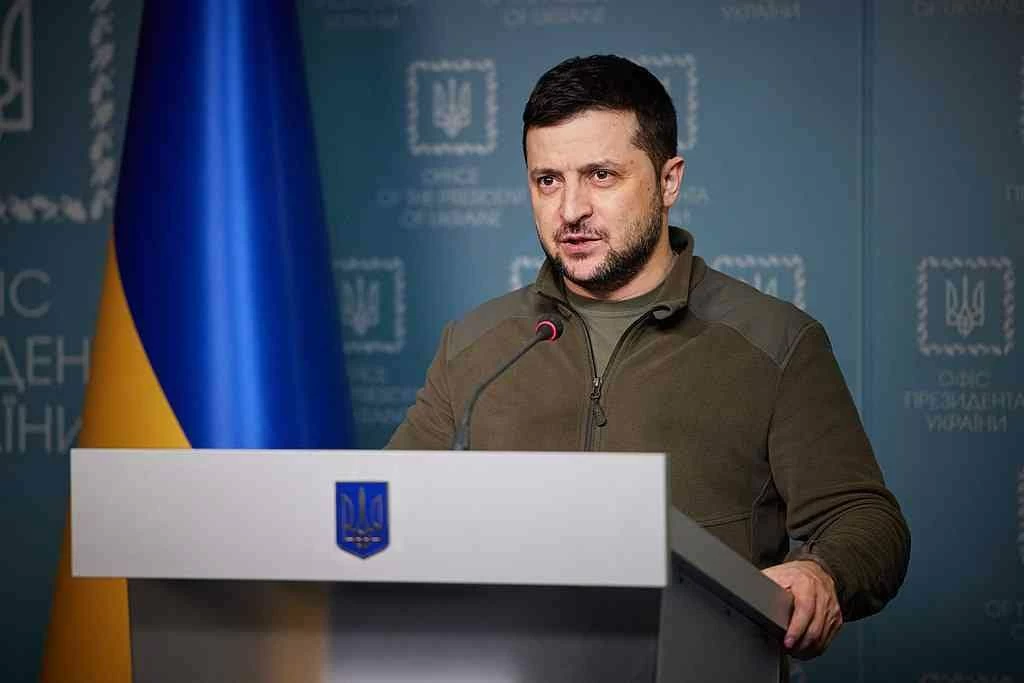
أبعد الرئيس الأوكراني فولوديمير زيلينسكي، أمس (الإثنين)، المدعي العام روسلان كرافتشينكو عن منصبه، في أحدث تطور لأزمة فساد وصدام متصاعد بين مكتب المدعي العام وأجهزة مكافحة الفساد في البلاد.
ونص المرسوم الرئاسي رقم 905/2026 على «إبعاد روسلان أندرييفيتش كرافتشينكو من منصب المدعي العام»، فيما يأتي القرار بعد أيام من تقديم كرافتشينكو استقالته، على خلفية تحقيقات طالت مسؤولين في مكتب المدعي العام الأوكراني.
وكان كرافتشينكو قد قدم استقالته في 7 سبتمبر الجاري، بعدما فتحت أجهزة مكافحة الفساد تحقيقاً في شبهات تتعلق بموظفين في مكتبه، على خلفية مخطط احتيال وغسل أموال مرتبط بمراكز اتصال احتيالية. ونفى كرافتشينكو أي تورط شخصي له في المخالفات، واعتبر استقالته قراراً سياسياً لتجنب تحول الصراع إلى مواجهة سياسية.
وتزامن التطور مع تصاعد الخلاف بين مكتب المدعي العام والهيئات الأوكرانية المختصة بمكافحة الفساد، وفي مقدمتها المكتب الوطني لمكافحة الفساد «نابو» ومكتب المدعي العام المتخصص في مكافحة الفساد «سابو».
وفي تطور لافت، أعلن كرافتشينكو، أمس، أنه اتخذ إجراءات بحق رئيس «نابو» سيمين كريفونوس، متهماً إياه بارتكاب مخالفات، وهو ما نفته أجهزة مكافحة الفساد، مؤكدة أن رئيس المكتب لم يتلقَّ رسمياً أي إخطار بالاشتباه بحقه.
ودفع هذا التصعيد زيلينسكي إلى المطالبة بإبعاد كرافتشينكو، مؤكداً أن بقاءه في منصبه لم يعد ممكناً، وطالب البرلمان بالموافقة سريعاً على إقالته. وكان الرئيس الأوكراني قد أحال بالفعل إلى البرلمان طلباً للحصول على موافقته على إنهاء ولاية المدعي العام، فيما أعلن البرلمان أن التصويت على الطلب مقرر اليوم (الثلاثاء).
وتعود جذور الأزمة الحالية إلى عملية «قرطاج» التي نفذتها أجهزة مكافحة الفساد، وكشفت، وفق السلطات الأوكرانية، شبهات حول تورط مسؤول في مكتب المدعي العام في نشاط مرتبط بمراكز اتصال احتيالية وغسل أموال. وتقول التحقيقات إن المخطط شمل الحصول على أموال غير مشروعة ومحاولات لغسل عائداتها عبر أصول وحسابات مرتبطة بأشخاص آخرين.
وتأتي الإطاحة بكرافتشينكو في وقت تواجه الحكومة الأوكرانية ضغوطاً متزايدة لإثبات فاعلية مؤسسات مكافحة الفساد، في ظل استمرار الحرب وسعي كييف إلى تعزيز مسار انضمامها إلى الاتحاد الأوروبي والحفاظ على الدعم الدولي.
وتُعد أجهزة مكافحة الفساد المستقلة، خصوصاً «نابو» و«سابو»، جزءاً أساسياً من الإصلاحات التي تعهدت بها أوكرانيا، فيما أدى تصاعد نفوذها خلال السنوات الأخيرة إلى احتكاكات متكررة مع مؤسسات الدولة ومسؤولين كبار.
Ukrainian President Volodymyr Zelensky dismissed Prosecutor General Ruslan Kravchenko yesterday (Monday), in the latest development of a corruption crisis and escalating conflict between the Prosecutor General's Office and anti-corruption agencies in the country.
The presidential decree No. 905/2026 stated "the removal of Ruslan Andriyevich Kravchenko from the position of Prosecutor General," coming just days after Kravchenko submitted his resignation amid investigations targeting officials in the Ukrainian Prosecutor General's Office.
Kravchenko had submitted his resignation on September 7, following the opening of an anti-corruption investigation into suspicions involving employees in his office, related to a fraud and money laundering scheme linked to fraudulent call centers. Kravchenko denied any personal involvement in the violations and considered his resignation a political decision to avoid the conflict escalating into a political confrontation.
This development coincided with the growing dispute between the Prosecutor General's Office and the Ukrainian agencies specialized in combating corruption, primarily the National Anti-Corruption Bureau (NABU) and the specialized anti-corruption prosecutor's office (SAPO).
In a notable development, Kravchenko announced yesterday that he had taken action against NABU head Semen Kryvonos, accusing him of committing violations, which the anti-corruption agencies denied, confirming that the head of the bureau had not officially received any notification of suspicion against him.
This escalation prompted Zelensky to call for Kravchenko's removal, asserting that his continued position was no longer tenable, and urged parliament to quickly approve his dismissal. The Ukrainian president had already referred a request to parliament for its approval to terminate the prosecutor general's term, with parliament announcing that the vote on the request is scheduled for today (Tuesday).
The roots of the current crisis trace back to Operation "Carthage" carried out by anti-corruption agencies, which revealed, according to Ukrainian authorities, suspicions of a prosecutor's involvement in activities related to fraudulent call centers and money laundering. Investigations indicate that the scheme included obtaining illicit funds and attempts to launder their proceeds through assets and accounts linked to other individuals.
The ousting of Kravchenko comes at a time when the Ukrainian government is facing increasing pressure to prove the effectiveness of anti-corruption institutions, amid the ongoing war and Kyiv's efforts to strengthen its path toward joining the European Union and maintaining international support.
Independent anti-corruption agencies, particularly NABU and SAPO, are considered a crucial part of the reforms that Ukraine has pledged, while their growing influence in recent years has led to frequent friction with state institutions and senior officials.