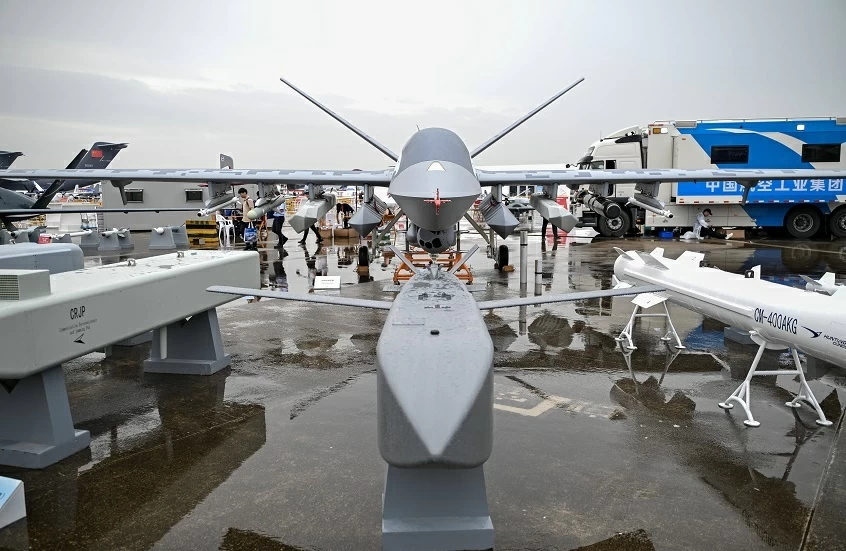
تعتزم السلطات الصينية حظر حيازة الطائرات المسيّرة وتخزينها داخل العاصمة بكين اعتباراً من 15 نوفمبر القادم، في خطوة جديدة لتشديد الرقابة على هذه الأجهزة، بعد أن كانت قد منعت بيعها في المدينة منذ مايو الماضي، بحسب وكالة «فرانس برس».
وبموجب اللوائح الجديدة التي أعلنتها حكومة بلدية بكين، سيُمنع إدخال الطائرات المسيّرة أو مكوّناتها إلى العاصمة، كما سيُحظر تشغيلها في مجالها الجوي، فيما سيُطلب من المالكين التخلص من أجهزتهم أو نقلها خارج حدود المدينة قبل الموعد المحدد.
وستوفر السلطات حوافز مالية لمساعدة المالكين على التخلي عن طائراتهم المسيّرة، بما في ذلك شراء الأجهزة التي سبق تسجيلها لدى الجهات المختصة. كما ستتيح خدمة شحن مجانية للراغبين في إرسال طائراتهم إلى خارج بكين.
وتنص القواعد على فرض غرامات ومصادرة الأجهزة بحق من لا يلتزم بالموعد النهائي، في وقت كانت فيه السلطات قد اشترطت منذ مايو تسجيل الطائرات المسيّرة للسماح بالاحتفاظ بها، بالتزامن مع حظر بيعها داخل العاصمة.
ويأتي تشديد القيود وسط مخاوف متزايدة بشأن أمن المجال الجوي في بكين، التي يقطنها نحو 22 مليون نسمة. وتفاقمت هذه المخاوف في يونيو الماضي، عندما اصطدمت طائرة صغيرة بسطح ناطحة سحاب في المدينة، ما أدى إلى مقتل قائدها وإصابة 13 شخصاً.
وقالت حكومة بكين إن الإجراءات الجديدة تهدف إلى «حماية أمن العاصمة»، في ظل الحساسية الأمنية والسياسية التي تحظى بها المدينة باعتبارها مقر الحكومة الصينية والحزب الشيوعي.
ويرى الباحث البارز في كلية «إس. راجاراتنام» للدراسات الدولية في سنغافورة درو تومبسون أن الحظر الشامل يعكس الأهمية السياسية والأمنية الاستثنائية لبكين، مشيراً إلى أن السلطات تسعى إلى تعزيز مستويات الرقابة والأمن إلى أقصى حد ممكن.
وأضاف تومبسون أن الإجراءات لا ترتبط فقط بمخاوف الإرهاب، بل قد تمتد إلى مواجهة مخاطر التجسس والمراقبة، نظراً إلى قدرة الطائرات المسيّرة على جمع الصور والبيانات من مناطق حساسة.
وكان تشغيل الطائرات المسيّرة في أجواء بكين يتطلب أساساً الحصول على موافقة مسبقة من السلطات. ومع دخول اللوائح الجديدة حيز التنفيذ، ستصبح القيود أكثر صرامة، مع إمكانية منح استثناءات محدودة لاستخدام هذه الأجهزة في مجالات محددة، من بينها مكافحة الإرهاب، والزراعة، والإغاثة في حالات الكوارث، والبحوث العلمية.
The Chinese authorities intend to ban the possession and storage of drones within the capital, Beijing, starting from November 15, in a new move to tighten control over these devices, after previously banning their sale in the city since last May, according to the French news agency "AFP".
Under the new regulations announced by the Beijing municipal government, the entry of drones or their components into the capital will be prohibited, and their operation in its airspace will also be banned. Owners will be required to dispose of their devices or transfer them outside the city limits before the deadline.
The authorities will provide financial incentives to help owners give up their drones, including the purchase of devices that were previously registered with the relevant authorities. They will also offer a free shipping service for those wishing to send their drones outside Beijing.
The rules stipulate fines and confiscation of devices for those who do not comply with the deadline, at a time when the authorities had required since May that drones be registered to allow their retention, coinciding with the ban on their sale within the capital.
This tightening of restrictions comes amid growing concerns about the security of Beijing's airspace, which is home to about 22 million people. These concerns intensified last June when a small plane collided with the roof of a skyscraper in the city, resulting in the death of its pilot and injuries to 13 others.
The Beijing government stated that the new measures aim to "protect the security of the capital," in light of the security and political sensitivity that the city holds as the seat of the Chinese government and the Communist Party.
Senior researcher Drew Thompson at the S. Rajaratnam School of International Studies in Singapore believes that the comprehensive ban reflects the exceptional political and security importance of Beijing, noting that the authorities are seeking to enhance levels of control and security to the maximum extent possible.
Thompson added that the measures are not only related to terrorism concerns but may also extend to countering risks of espionage and surveillance, given the ability of drones to collect images and data from sensitive areas.
Operating drones in Beijing's airspace previously required prior approval from the authorities. With the new regulations coming into effect, the restrictions will become stricter, with the possibility of granting limited exceptions for the use of these devices in specific fields, including counter-terrorism, agriculture, disaster relief, and scientific research.