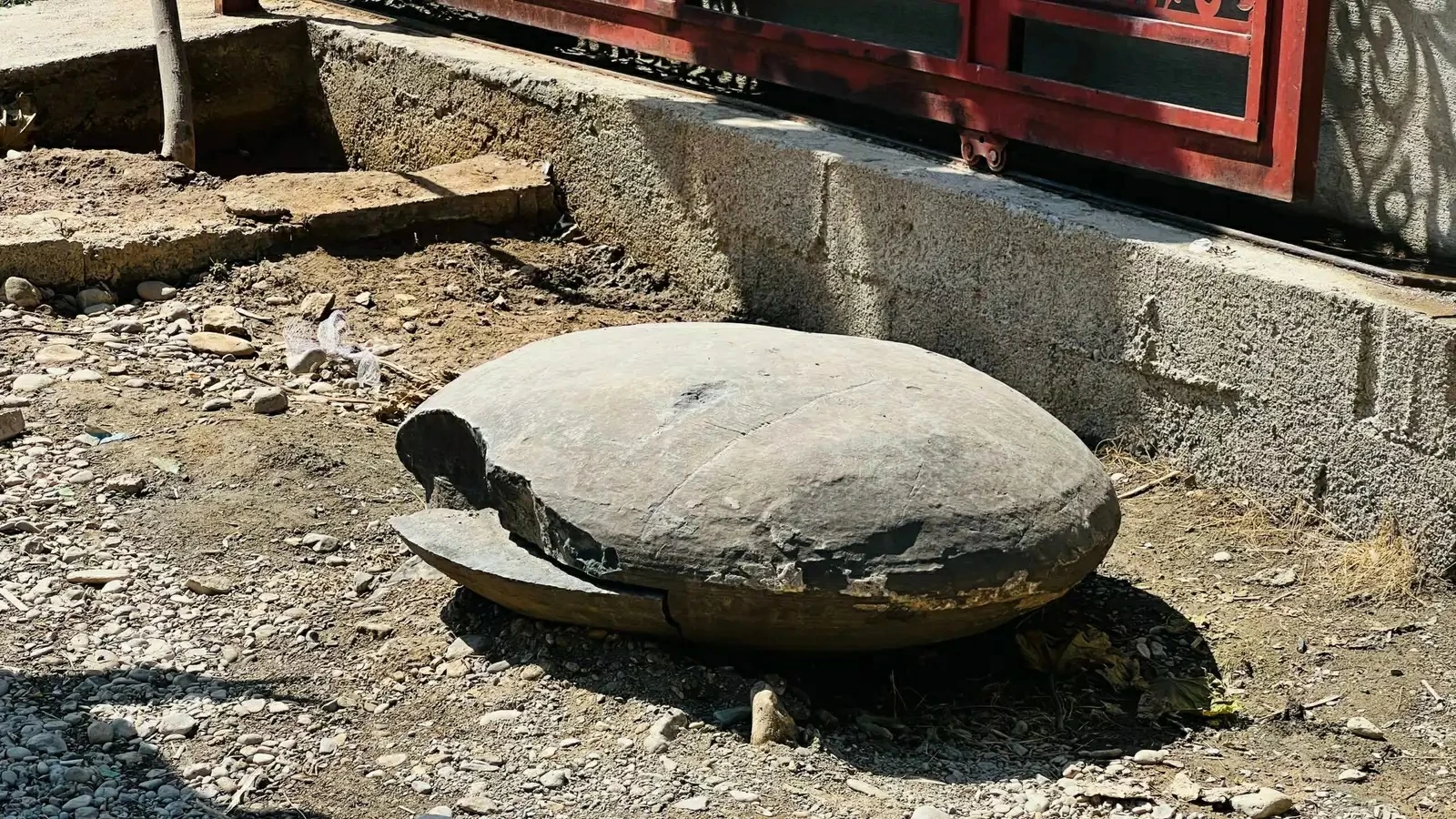
شهدت قرية برسيرين التابعة لقضاء رواندوز في محافظة أربيل بإقليم كردستان العراق اكتشافاً نادراً، بعدما عثر أحد سكانها مصادفة على صخرة أحفورية يُقدّر عمرها بعشرات الملايين من السنين، على ضفاف أحد أنهار المنطقة.
ولفتت الصخرة انتباه مكتشفها بسبب شكلها المميز، فنقلها في البداية إلى منزله لاستخدامها للزينة، قبل أن تصل لاحقاً إلى مديرية الآثار والتراث لإجراء الفحوص العلمية اللازمة والتحقق من طبيعتها وتاريخها.
وقال مدير دائرة الآثار والتراث في سوران عبدالوهاب سليمان إن الفحوص المتخصصة أظهرت أن القطعة عبارة عن حفرية صخرية نادرة، يبلغ قطرها نحو 1.2 متر، وارتفاعها 45 سنتيمتراً، فيما يتجاوز وزنها 350 كيلوغراماً.
وأضاف أن التقديرات العلمية الأولية تضع عمر الأحفورة بين 66 و145 مليون عام، مشيراً إلى أن الحجر يُعرف علمياً باسم «كونكريشن»، وهو تكوين صخري تشكل في بيئة بحرية قديمة، عندما كانت أجزاء واسعة من المنطقة مغمورة بمياه البحار.
وأوضح سليمان أن هذا النوع من التكوينات يبدأ بعد موت كائن بحري وسقوطه إلى قاع البحر، حيث تتراكم حول بقاياه المعادن والمواد الرسوبية، قبل أن تتشكل طبقات كلسية تحيط بها تدريجياً. وتستمر هذه العملية على مدى ملايين السنين، لتنتج في النهاية تكوينات صخرية تحتفظ بآثار من البيئة البحرية التي تشكلت فيها.
ويضاف هذا الاكتشاف إلى سلسلة من الاكتشافات الأثرية والجيولوجية التي شهدها إقليم كردستان خلال السنوات الأخيرة، لا سيما في محافظة دهوك.
ففي يونيو الماضي، كشفت أعمال تنقيب في المحافظة عن موقع أثري يضم عدداً من المنشآت والمجسمات القديمة التي تعود إلى فترات ما قبل الميلاد، بينها معصرة يُعتقد أنها ارتبطت بطقوس دينية لإنتاج شراب «الهوما» أو «السوما»، إلى جانب معصرة أخرى كبيرة ومنشآت مخصصة لإشعال النار.
كما برزت دهوك خلال السنوات الماضية بفضل اكتشافات أثرية مهمة، من بينها المنحوتات الجدارية في منطقة فايدة جنوب المحافظة، ومدينة مردبان في تل باسطكي غرب دهوك، والتي يُعتقد أن تاريخها يعود إلى أكثر من خمسة آلاف عام، وأنها كانت مركزاً للحكم في تلك الحقبة.
The village of Barsirin, part of the Rawanduz district in Erbil Governorate in the Kurdistan region of Iraq, witnessed a rare discovery when one of its residents accidentally found a fossilized rock estimated to be tens of millions of years old, on the banks of one of the region's rivers.
The rock caught the attention of its discoverer due to its distinctive shape, so he initially took it to his home for decorative purposes, before it later reached the Directorate of Antiquities and Heritage for the necessary scientific examinations and to verify its nature and history.
Abdul Wahab Suleiman, the director of the Antiquities and Heritage Department in Suran, stated that specialized examinations revealed that the piece is a rare rock fossil, with a diameter of about 1.2 meters, a height of 45 centimeters, and a weight exceeding 350 kilograms.
He added that preliminary scientific estimates place the age of the fossil between 66 and 145 million years, noting that the stone is scientifically known as "concretion," which is a rock formation that formed in an ancient marine environment when large parts of the region were submerged under seawater.
Suleiman explained that this type of formation begins after the death of a marine organism and its fall to the seabed, where minerals and sedimentary materials accumulate around its remains, before gradually forming calcareous layers that surround it. This process continues over millions of years, ultimately producing rock formations that preserve traces of the marine environment in which they were formed.
This discovery adds to a series of archaeological and geological discoveries that the Kurdistan region has witnessed in recent years, particularly in Duhok Governorate.
In June, excavation work in the governorate revealed an archaeological site containing several ancient structures and artifacts dating back to pre-Christian times, including a press believed to be associated with religious rituals for producing the drink "Homa" or "Soma," along with another large press and facilities designated for lighting fires.
Duhok has also stood out in recent years due to significant archaeological discoveries, including wall carvings in the Faida area south of the governorate, and the city of Mardban in Tel Bashtaki west of Duhok, which is believed to date back more than five thousand years and was a center of governance during that era.