بعد خمسة أشهر من إسقاط مقاتلة أمريكية داخل الأراضي الإيرانية، كشفت شبكة «سي بي إس نيوز» تفاصيل مثيرة لعملية إنقاذ معقدة لضابط في سلاح الجو الأمريكي، ظل مصاباً ومختبئاً خلف خطوط العدو لمدة يومين، بينما كانت القوات الإيرانية تقترب من موقعه.
وشارك في العملية أكثر من 90 جندياً أمريكياً على الأرض، إلى جانب مئات العناصر جواً وآلاف آخرين قدموا الدعم، في أول مرة تطأ فيها قوات أمريكية الأراضي الإيرانية منذ 46 عاماً.
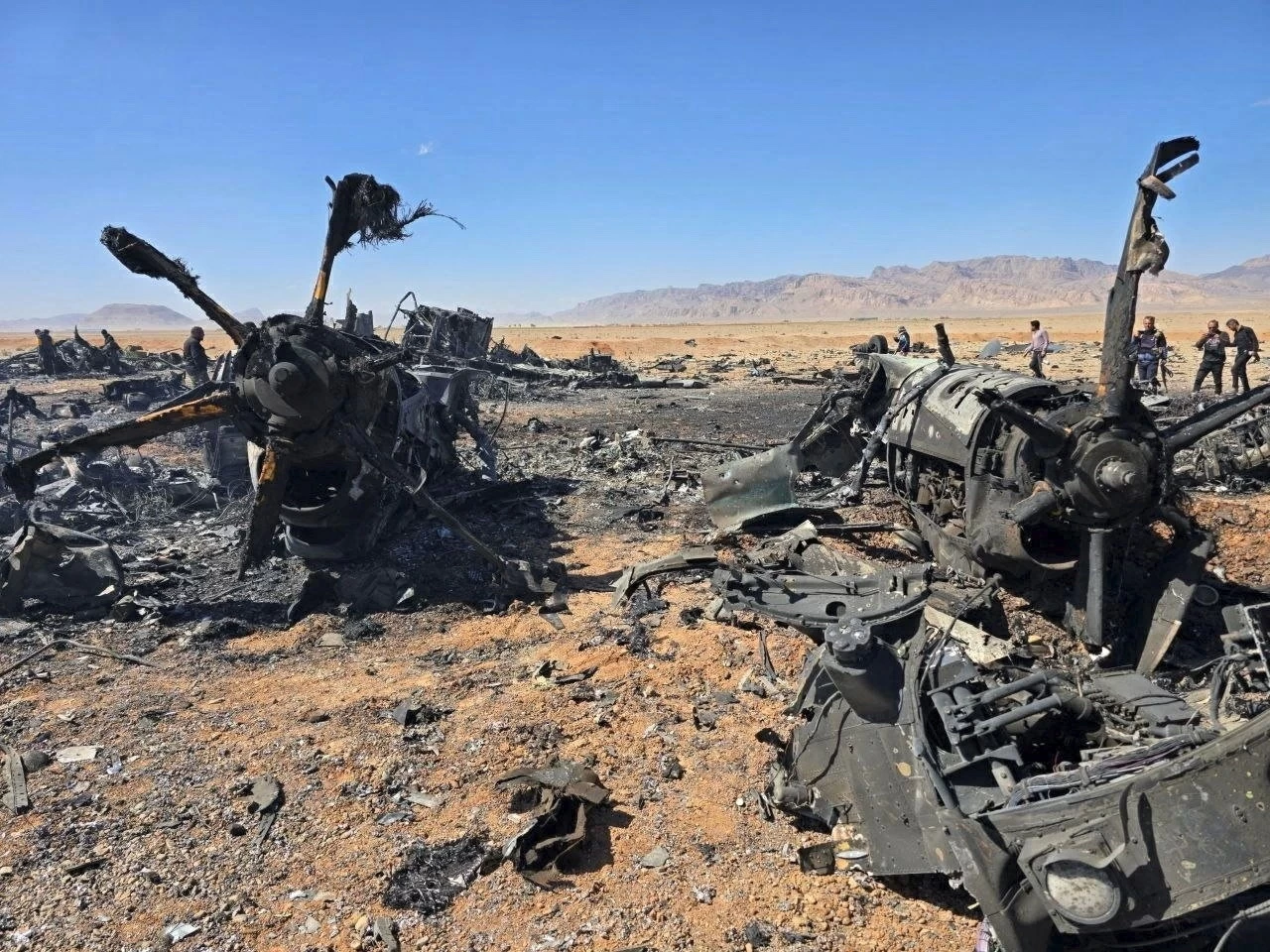
وتكشف تفاصيل العملية، التي عرضها برنامج «60 دقيقة»، كيف تحولت مهمة قصف إلى سباق مع الزمن لإنقاذ أحد أفراد الطاقم، بعدما أصيبت مقاتلته «إف-15 إي» بصاروخ محمول على الكتف، وكيف استخدمت واشنطن التضليل الاستخباراتي والضربات الجوية والقوات الخاصة للوصول إلى الضابط وإخراجه من منطقة جبلية وعرة، قبل أن تتعقد عملية الانسحاب نفسها بسبب تعلق طائرات الإنقاذ في الرمال، وانتهت بتدمير معدات عسكرية أمريكية لمنع وقوع تقنياتها في أيدي الإيرانيين.
2 أبريل.. سقوط المقاتلة
بدأت تفاصيل العملية ليلة 2 أبريل 2026، عندما كان طاقم المقاتلة «إف-15 إي»، ضمن مهمة حملت نداء «دودي 44»، ينفذ ضربة على منشآت صناعية مرتبطة ببرنامج إيران للطائرات المسيّرة والصواريخ، في منطقة جبلية جنوب مدينة أصفهان.
وأصيبت المقاتلة، التي تقدر قيمتها بنحو 30 مليون دولار، بصاروخ محمول على الكتف، ما دفع الضابطين الموجودين على متنها إلى استخدام مقعدي القذف بعدما أدركا أن الطائرة لم تعد قابلة للإنقاذ.
مساعد الطيران الأمريكي الذي تعرض لإصابات برافو
وكان الطيار يحمل الرمز «ألفا»، فيما كان الضابط المتخصص في أنظمة الأسلحة، الجالس في المقعد الخلفي، يحمل الرمز «برافو».
ونجا «ألفا» بعد هبوطه بأمان، لكن «برافو» واجه سقوطاً أكثر خطورة بعدما تسبب الصاروخ في إتلاف مظلته، ليسقط بسرعة تراوحت بين 70 و100 ميل في الساعة، قبل أن يرتطم بالأرض ويصاب بكسور في الظهر والذراع والكتف.
يومان خلف خطوط جيش إيران
ورغم إصاباته، تمكن «برافو» من التحرك بعيداً عن موقع سقوطه والاختباء في منطقة جبلية تحيط بها المنحدرات الصخرية، فيما بدأت القوات الإيرانية عمليات البحث عن أفراد الطاقم.
وقال الضابط، في أول ظهور إعلامي له بعد الحادث، إن اللحظة الأكثر رعباً كانت عندما نظر إلى الأعلى ولم يرَ مظلته، واصفاً نجاته لاحقاً بأنها «معجزة العصر الحديث».
وفي الوقت نفسه، وصلت أنباء إسقاط المقاتلة إلى وزير الحرب الأمريكي بيت هيغسيث، بينما نشرت وسائل الإعلام الإيرانية صوراً لحطام الطائرة، وظهرت مقاطع لمجموعات مسلحة إيرانية وهي تبحث عن الطيارين.
وأفادت مصادر عسكرية أمريكية بأن القوات الإيرانية اقتربت إلى مسافة بضع مئات من الأمتار من موقع «برافو»، فيما قال رئيس هيئة الأركان المشتركة الجنرال دان كين إن القوات البرية الإيرانية كانت لديها «نية واضحة» للعثور عليه.
سباق أمريكي مع القوات الإيرانية
بعد نحو 6 ساعات من إسقاط المقاتلة، تمكنت قوة أمريكية من إنقاذ «ألفا»، رغم تعرض مروحياتها لإطلاق النار، لكنها لم تتمكن من العثور على «برافو» واضطرت إلى الانسحاب.
وفي الليل، تمكن «برافو» من إرسال رسالة إلى القوات الأمريكية، أكد فيها أنه مصاب لكنه لا يزال قادراً على الحركة.
وقرر هيغسيث في تلك المرحلة عدم إرسال قوة إنقاذ جديدة، بعدما رأى أن الظروف لم تكن مناسبة، واعتمد خطة «الـ24 ساعة»، لإبقاء الضابط على الأرض فترة إضافية، بالتزامن مع تكثيف عمليات البحث والمراقبة.
خداع استخباراتي وضربات حول مخبأ الضابط
دخلت وكالة الاستخبارات المركزية الأمريكية على خط العملية، واستخدمت حملة تضليل متعددة المحاور لإرباك القوات الإيرانية التي كانت تبحث عن «برافو»، إلى جانب تقنيات سرية لتحديد موقعه.
وكشفت «سي بي إس نيوز» عن تسجيل مصور رُفعت عنه السرية حديثاً، يظهر قاذفات وطائرات مسيّرة أمريكية وهي تضرب قوات تابعة للحرس الثوري الإيراني بالقرب من مكان اختباء الضابط.
وقال قائد القيادة المركزية الأمريكية الأدميرال براد كوبر إن أكثر من 90 عسكرياً أمريكياً شاركوا في العملية على الأرض، فيما شارك المئات جواً وآلاف آخرون في تقديم الدعم.
إنقاذ تحت النار
وصلت قوة الإنقاذ على متن طائرتين كبيرتين إلى مدرج صحراوي مؤقت، قبل إطلاق مروحيات صغيرة من طراز «ليتل بيرد» للوصول إلى «برافو» المختبئ قرب حافة جبلية على بعد عدة أميال.
ونجحت القوات الخاصة في الوصول إليه واستعادته، لكن عملية الانسحاب واجهت أزمة جديدة بعدما علقت عجلات هبوط طائرات الإنقاذ في الرمال.
ودفعت هذه المشكلة وحدة سرية تابعة للقوات الجوية الأمريكية إلى التدخل لإنقاذ القوة، قبل أن تقرر واشنطن تدمير الطائرتين العالقتين، اللتين تبلغ قيمة الواحدة منهما نحو 100 مليون دولار، إضافة إلى مروحيات «ليتل بيرد»، لمنع وقوع تقنياتها في أيدي القوات الإيرانية.
وبذلك انتهت واحدة من أكثر عمليات الإنقاذ تعقيداً في التاريخ العسكري الأمريكي، بعد يومين قضاها ضابط أمريكي مصاباً خلف خطوط العدو، في عملية وطأت خلالها القوات الأمريكية الأراضي الإيرانية للمرة الأولى منذ 46 عاماً.
Five months after the downing of an American fighter jet inside Iranian territory, CBS News revealed exciting details of a complex rescue operation for a U.S. Air Force officer who remained injured and hidden behind enemy lines for two days while Iranian forces approached his location.
More than 90 American soldiers participated in the ground operation, alongside hundreds of air support personnel and thousands more providing assistance, marking the first time American forces set foot on Iranian soil in 46 years.
The details of the operation, presented by the program "60 Minutes," reveal how a bombing mission turned into a race against time to rescue a crew member after his F-15E fighter jet was hit by a shoulder-fired missile, and how Washington employed intelligence deception, airstrikes, and special forces to reach the officer and extract him from a rugged mountainous area, before the withdrawal itself became complicated due to rescue aircraft getting stuck in the sand, culminating in the destruction of American military equipment to prevent its technology from falling into Iranian hands.
April 2... The Fighter Jet Crash
The details of the operation began on the night of April 2, 2026, when the crew of the F-15E fighter jet, on a mission designated "Duddy 44," was conducting a strike on industrial facilities linked to Iran's drone and missile program in a mountainous area south of Isfahan.
The fighter jet, valued at approximately $30 million, was hit by a shoulder-fired missile, prompting the two officers on board to use their ejection seats after realizing that the aircraft was no longer salvageable.
مساعد الطيران الأمريكي الذي تعرض لإصابات برافو
The pilot was designated "Alpha," while the officer specializing in weapon systems, seated in the rear seat, was designated "Bravo."
"Alpha" survived after landing safely, but "Bravo" faced a more perilous fall after the missile damaged his parachute, plummeting at speeds ranging from 70 to 100 miles per hour before crashing to the ground and sustaining fractures in his back, arm, and shoulder.
Two Days Behind Iranian Army Lines
Despite his injuries, "Bravo" managed to move away from his crash site and hide in a mountainous area surrounded by rocky slopes, while Iranian forces began searching for the crew members.
The officer, in his first media appearance after the incident, stated that the most terrifying moment was when he looked up and did not see his parachute, later describing his survival as a "modern-day miracle."
Meanwhile, news of the fighter jet's downing reached U.S. Secretary of Defense Pete Hegseth, while Iranian media published images of the aircraft wreckage, showing footage of armed Iranian groups searching for the pilots.
U.S. military sources reported that Iranian forces had approached within a few hundred meters of "Bravo's" location, while Chairman of the Joint Chiefs of Staff General Dan Keen stated that Iranian ground forces had a "clear intent" to find him.
An American Race Against Iranian Forces
About six hours after the fighter jet was downed, an American force managed to rescue "Alpha," despite their helicopters coming under fire, but they were unable to locate "Bravo" and had to withdraw.
At night, "Bravo" was able to send a message to U.S. forces, confirming that he was injured but still able to move.
At that stage, Hegseth decided not to send a new rescue force after assessing that the conditions were not favorable, opting instead for a "24-hour plan" to keep the officer on the ground for an additional period while intensifying search and surveillance operations.
Intelligence Deception and Strikes Around the Officer's Hideout
The CIA became involved in the operation, employing a multi-faceted deception campaign to confuse Iranian forces searching for "Bravo," along with secret techniques to pinpoint his location.
CBS News revealed a recently declassified video showing American bombers and drones striking Iranian Revolutionary Guard forces near the officer's hiding place.
U.S. Central Command Commander Admiral Brad Cooper stated that more than 90 American military personnel participated in the operation on the ground, while hundreds provided air support and thousands more assisted in various capacities.
Rescue Under Fire
The rescue force arrived on two large aircraft at a temporary desert runway before launching small "Little Bird" helicopters to reach "Bravo," who was hiding near a mountain edge several miles away.
The special forces successfully reached him and extracted him, but the withdrawal faced a new crisis when the landing gear of the rescue aircraft became stuck in the sand.
This problem prompted a secret unit of the U.S. Air Force to intervene to rescue the team, before Washington decided to destroy the two stranded aircraft, each valued at around $100 million, along with the "Little Bird" helicopters, to prevent their technology from falling into Iranian hands.
Thus ended one of the most complex rescue operations in American military history, after two days spent by an injured American officer behind enemy lines, in an operation that marked the first time American forces set foot on Iranian soil in 46 years.