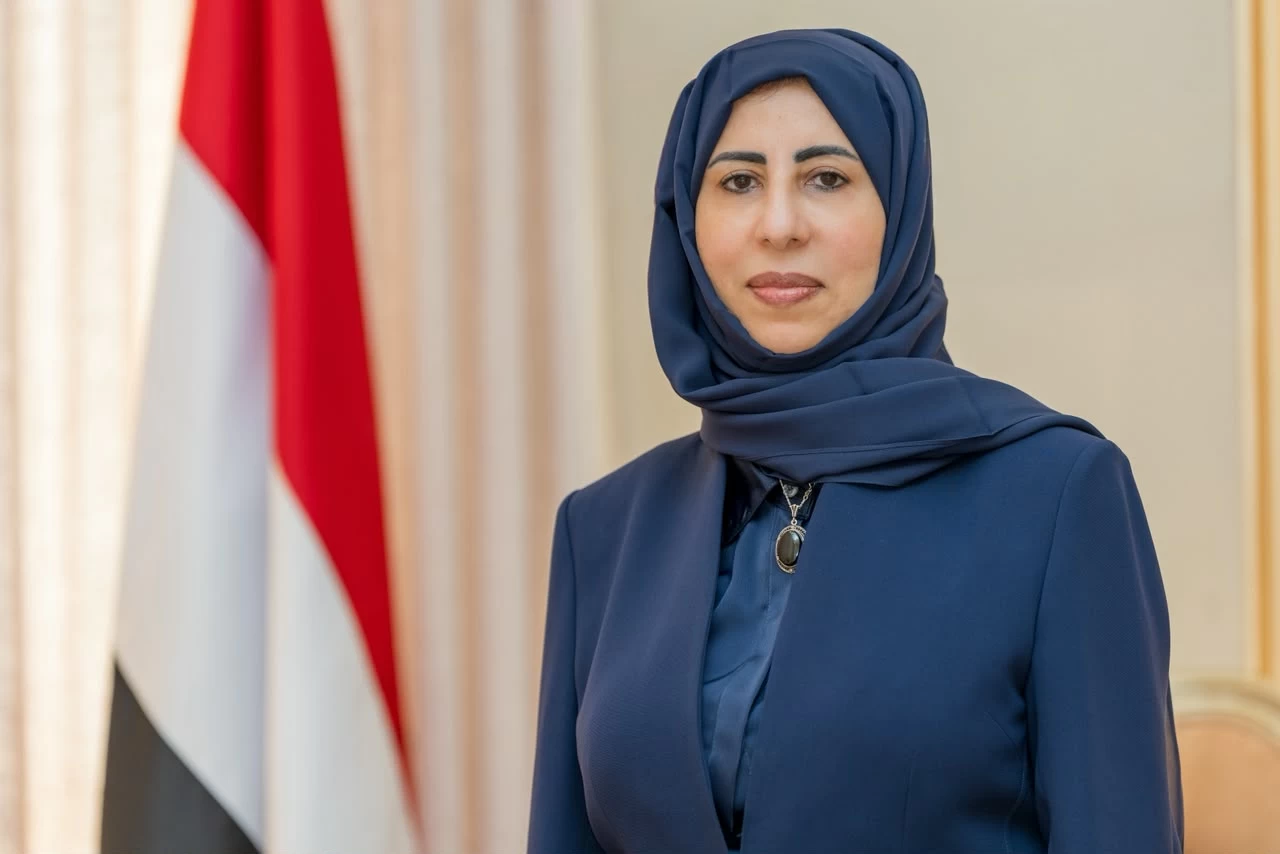
حذرت وزيرة الخارجية وشؤون المغتربين اليمنية الدكتورة أفراح الزوبة، مجلس الأمن والأمين العام للأمم المتحدة أنطونيو غوتيريش، من مخاطر التصعيد العسكري لمليشيا الحوثي المدعومة من النظام الإيراني في محافظتي تعز والحديدة، مؤكدة أن تحركاتها باتجاه الساحل الغربي وباب المندب تمثل تهديداً مباشراً لأمن البحر الأحمر وحرية الملاحة والتجارة الدوليتين.
وقالت الزوبة، في رسالة وجهتها إلى رئيس مجلس الأمن الدولي جيروم بونافون وغوتيريش، إن التحركات الحوثية في غرب تعز وجنوب الحديدة، باتجاه المناطق الساحلية المحاذية لباب المندب والبحر الأحمر، لا يمكن التعامل معها باعتبارها تحركات عسكرية محلية معزولة، بل تأتي ضمن مسعى استراتيجي لفرض واقع عسكري جديد يعزز قدرة المليشيات وداعميها في النظام الإيراني على تهديد الملاحة الدولية والتحكم بأحد أهم الممرات البحرية في العالم.
وأشارت إلى أن خطورة هذه التحركات تتضاعف في ظل السجل المعروف للمليشيات الحوثية في استهداف السفن التجارية في البحر الأحمر وخليج عدن، وما تتلقاه من دعم وتسليح إيراني، محذرة من تداعيات استمرار هذا النهج على أمن المنطقة وحركة التجارة الدولية.
وفي الجانب الإنساني، أكدت الوزيرة أن التصعيد الحوثي خلف تداعيات خطيرة على المدنيين، نتيجة استهداف مناطق سكنية ومخيمات للنازحين ومنشآت مدنية وتعليمية، ما أدى إلى موجات نزوح جديدة وتزايد الحاجات الإنسانية، داعية الأمم المتحدة ووكالاتها والدول المانحة والشركاء الإنسانيين إلى التحرك العاجل لتلبية حاجات المدنيين والأسر النازحة.
وشددت الزوبة على أن استعادة الدولة سيادتها على أراضيها وسواحلها وموانئها ومياهها الإقليمية وتأمين الممرات البحرية، تمثل ضرورة لأمن اليمن والمنطقة، ومنع استخدام الأراضي والمياه اليمنية منصة لتهديد دول المنطقة والملاحة والتجارة الدوليتين.
ودعت حكومة الجمهورية اليمنية مجلس الأمن إلى اتخاذ موقف واضح وحازم تجاه التصعيد الحوثي، وإدانة استهداف المدنيين ومخيمات النازحين والأعيان المدنية، والضغط لوقف الاعتداءات وإلزام المليشيات باحترام القانون الدولي الإنساني.
كما طالبت بالتعامل بجدية مع التهديدات الحوثية المستمرة للملاحة والتجارة الدوليتين، وضمان التنفيذ الفاعل لقرارات مجلس الأمن، ولا سيما القرارين 2140 و2216، واتخاذ التدابير اللازمة لوقف تدفق الأسلحة والتكنولوجيا والخبرات والتمويل إلى المليشيات الحوثية.
وأكدت أهمية دعم الحكومة اليمنية ومؤسساتها لتمكينها من حماية أراضي الجمهورية وسواحلها وموانئها ومياهها الإقليمية، وتأمين الممرات البحرية الدولية ومنع تحويل باب المندب والبحر الأحمر إلى ساحة تهديد للملاحة العالمية.
The Yemeni Minister of Foreign Affairs and Expatriates, Dr. Afrah Al-Zouba, warned the Security Council and the Secretary-General of the United Nations, Antonio Guterres, about the dangers of the military escalation by the Houthi militia backed by the Iranian regime in the governorates of Taiz and Hodeidah, confirming that their movements towards the western coast and Bab al-Mandab represent a direct threat to the security of the Red Sea and the freedom of international navigation and trade.
Al-Zouba stated in a message addressed to the President of the UN Security Council, Jerome Bonaventure, and Guterres, that the Houthi movements in western Taiz and southern Hodeidah, towards the coastal areas adjacent to Bab al-Mandab and the Red Sea, cannot be treated as isolated local military movements, but rather come as part of a strategic effort to impose a new military reality that enhances the capabilities of the militias and their supporters in the Iranian regime to threaten international navigation and control one of the most important maritime corridors in the world.
She pointed out that the danger of these movements is compounded by the known record of the Houthi militias in targeting commercial ships in the Red Sea and the Gulf of Aden, and the support and armament they receive from Iran, warning of the repercussions of continuing this approach on the security of the region and international trade movement.
On the humanitarian side, the minister confirmed that the Houthi escalation has had serious repercussions on civilians, due to targeting residential areas, displacement camps, and civilian and educational facilities, which has led to new waves of displacement and increased humanitarian needs, calling on the United Nations and its agencies, donor countries, and humanitarian partners to take urgent action to meet the needs of civilians and displaced families.
Al-Zouba emphasized that restoring the state's sovereignty over its lands, coasts, ports, and territorial waters, and securing maritime corridors, is essential for the security of Yemen and the region, and to prevent the use of Yemeni lands and waters as a platform to threaten the countries of the region and international navigation and trade.
The Government of the Republic of Yemen called on the Security Council to take a clear and firm stance regarding the Houthi escalation, condemning the targeting of civilians, displacement camps, and civilian objects, and to pressure for the cessation of attacks and to compel the militias to respect international humanitarian law.
It also demanded serious action to address the ongoing Houthi threats to international navigation and trade, and to ensure the effective implementation of Security Council resolutions, particularly resolutions 2140 and 2216, and to take the necessary measures to stop the flow of weapons, technology, expertise, and funding to the Houthi militias.
She emphasized the importance of supporting the Yemeni government and its institutions to enable them to protect the territories of the republic, its coasts, ports, and territorial waters, secure international maritime corridors, and prevent Bab al-Mandab and the Red Sea from becoming a threat to global navigation.