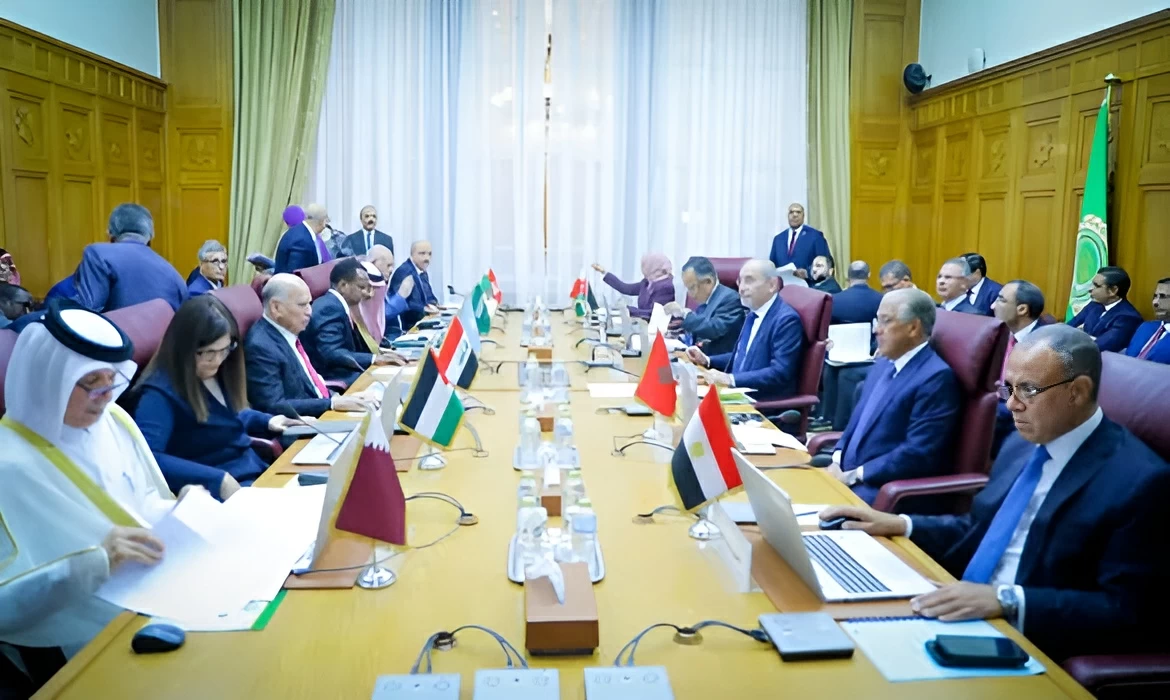
بحثت اللجنة الوزارية العربية المكلفة بالتحرك لمواجهة السياسات والإجراءات الإسرائيلية غير القانونية في مدينة القدس المحتلة، اليوم (الإثنين)، سبل تعزيز التحرك العربي والدولي لحماية المدينة ومقدساتها، في ظل تصاعد الاستيطان والاقتحامات الإسرائيلية ومحاولات فرض وقائع جديدة على الأرض.
وعقدت اللجنة اجتماعها الحادي عشر بمقر الأمانة العامة لجامعة الدول العربية في القاهرة، برئاسة وزير الخارجية الأردني أيمن الصفدي، وبمشاركة العراق، رئيس الدورة الحالية للقمة العربية، والسعودية والجزائر وفلسطين وقطر ومصر والمغرب وتونس والبحرين، بصفتها العضو العربي غير الدائم في مجلس الأمن، والصومال، بصفته عضواً في المجلس، إلى جانب الأمين العام لجامعة الدول العربية.
ويأتي الاجتماع على هامش أعمال الدورة العادية الـ166 لمجلس جامعة الدول العربية على مستوى وزراء الخارجية، في وقت تتصدر فيه التطورات في القدس والأراضي الفلسطينية أجندة التحرك العربي، وسط مخاوف من استمرار السياسات الإسرائيلية الرامية إلى تغيير طبيعة المدينة وتركيبتها الديموغرافية ووضعها القانوني والتاريخي.
تحذير من تغيير هوية القدس
وناقشت اللجنة الإجراءات الإسرائيلية التي تستهدف، بحسب المشاركين، تغيير الهوية العربية الإسلامية والمسيحية للقدس المحتلة، والوضع القانوني والتاريخي القائم في المدينة ومقدساتها، وفي مقدمتها المسجد الأقصى المبارك، (الحرم الشريف)، إلى جانب التطورات في حي الشيخ جراح.
وكانت الجامعة العربية قد شكلت اللجنة الوزارية بهدف تكثيف الاتصالات والتحرك لدى الدول دائمة العضوية في مجلس الأمن، وغيرها من الدول المؤثرة دولياً، والعمل على بلورة موقف عربي مشترك للضغط من أجل وقف السياسات والانتهاكات الإسرائيلية في القدس.
وأكدت وزيرة الخارجية الفلسطينية فارسين شاهين، خلال إحاطتها أمام اللجنة، أن المشروع الاستيطاني الإسرائيلي في منطقة «E1» يمثل خطراً بالغاً على مستقبل القدس والضفة الغربية، محذرة من تداعياته على التواصل الجغرافي بين أجزاء الأراضي الفلسطينية.
ويُنظر إلى منطقة «E1»، الواقعة شرق القدس، باعتبارها من أكثر المناطق حساسية في الصراع الفلسطيني الإسرائيلي، نظراً إلى موقعها الإستراتيجي بين القدس ومستعمرات الضفة الغربية، فيما تحذر القيادة الفلسطينية من أن تطوير الاستيطان فيها قد يؤدي إلى تقطيع أوصال الضفة الغربية وتعقيد فرص إقامة دولة فلسطينية متصلة جغرافياً.
مخاوف متصاعدة بشأن المسجد الأقصى
وحذرت شاهين من تزايد اقتحامات المتطرفين الإسرائيليين للمسجد الأقصى، مشيرة إلى مخاطر متضاعفة خلال المرحلة القادمة في ظل الدعوات إلى تكثيف الاقتحامات ومحاولات أداء طقوس وصلوات يهودية داخل باحات المسجد.
واعتبرت أن إجراءات الإبعاد التي تستهدف فلسطينيين في القدس تأتي في سياق أوسع من السياسات الرامية إلى تقليص الوجود الفلسطيني في المدينة، بالتزامن مع محاولات فرض طقوس دينية يهودية داخل المسجد الأقصى وتغيير المشهد الديني القائم فيه.
ويخضع المسجد الأقصى لوضع ديني وتاريخي حساس، إذ تتولى دائرة الأوقاف الإسلامية التابعة لوزارة الأوقاف الأردنية إدارة شؤونه، بينما تسمح السلطات الإسرائيلية لليهود بزيارته في أوقات محددة وتمنع إقامة الصلوات اليهودية داخله وفق ترتيبات متعارف عليها ضمن الوضع القائم، إلا أن السنوات الأخيرة شهدت تصاعداً في الدعوات والأنشطة التي تطالب بتغيير هذه الترتيبات.
الاستيطان والتهجير في صلب التحرك العربي
وتطرقت الإحاطة الفلسطينية إلى ما وصفته بالسياسات الإسرائيلية الممنهجة لتقويض الوجود الفلسطيني في القدس، بما يشمل الضم والاستيطان ومصادرة الأراضي وهدم المنازل والتهجير القسري وسحب بطاقات الهوية، إلى جانب تغيير المناهج التعليمية وإغلاق المؤسسات الفلسطينية وتقويض عمل وكالة الأمم المتحدة لإغاثة وتشغيل اللاجئين الفلسطينيين «الأونروا».
وقالت شاهين إن القدس الشرقية «جزء لا يتجزأ من الأرض الفلسطينية المحتلة»، مؤكدة أن محاولات عزلها عن محيطها الفلسطيني لن تمنح إسرائيل شرعية ولن تغير، وفق الموقف الفلسطيني، حقيقة أن القدس عاصمة الدولة الفلسطينية المستقلة.
وأضافت: «إننا في فلسطين نعيش اليوم معركة صعبة من حرب البقاء الطويلة على أرضنا والحفاظ على الوجود الإسلامي والمسيحي في أرض آبائنا وأجدادنا».
تحرك عربي - إسلامي مشترك
ودعت اللجنة إلى تعزيز التنسيق مع منظمة التعاون الإسلامي، بما يضاعف الجهود العربية والإسلامية المشتركة لحماية القدس ومقدساتها، بما في ذلك من خلال الاجتماع الوزاري المشترك بين جامعة الدول العربية ومنظمة التعاون الإسلامي بشأن القدس، والمقرر عقده خلال الأسبوع رفيع المستوى لأعمال الجمعية العامة للأمم المتحدة في نيويورك هذا الشهر.
وأكد المشاركون أهمية تكثيف الاتصالات الدبلوماسية العربية مع الأطراف الدولية المؤثرة، بهدف الدفع نحو اتخاذ إجراءات تقييدية ورادعة لوقف الاعتداءات على المقدسات، ووقف أعمال عنف المستوطنين، وضمان مساءلة السلطات الإسرائيلية عن الانتهاكات المرتكبة في القدس المحتلة.
وشددت اللجنة على ضرورة بلورة موقف دولي حازم إزاء هذه الممارسات، محذرة من أن استمرارها قد يؤدي إلى تداعيات خطيرة على السلم والأمن في المنطقة والعالم.
دعم صمود المقدسيين
كما شددت اللجنة على أهمية دعم صمود المقدسيين وتمكينهم من مواجهة التحديات التي تستهدف وجودهم في المدينة، من خلال توفير أشكال الدعم التنموي وتعزيز المؤسسات الفلسطينية في القدس وحمايتها.
وفي هذا السياق، رحبت اللجنة بالمبادرة القطرية لإطلاق آلية عمل مؤسساتية مستدامة، تتضمن إنشاء منصة إعلامية لرصد وتوثيق وكشف الانتهاكات الإسرائيلية بحق الأماكن المقدسة والمصلين، وإبراز تداعياتها.
وكلفت اللجنة الأمانة العامة لجامعة الدول العربية، بالتنسيق مع الدول الأعضاء، بمتابعة تفعيل هذه الآلية وتحديد آليات عملها ومصادر تمويلها، إلى جانب إعداد تصور عملي لإطلاق حملة دبلوماسية وإعلامية عربية ودولية منسقة للتعريف بالانتهاكات الإسرائيلية في القدس والأراضي الفلسطينية المحتلة وحشد الضغط الدولي لوقفها.
لماذا تكتسب لجنة القدس أهمية؟
وتشكلت اللجنة الوزارية العربية المعنية بالتحرك لمواجهة السياسات والإجراءات الإسرائيلية غير القانونية في القدس كإطار للتحرك السياسي والدبلوماسي العربي تجاه التطورات في المدينة، خصوصاً في ظل القرارات والإجراءات الإسرائيلية المرتبطة بالاستيطان وتهويد المدينة وتغيير طابعها الديموغرافي، فضلاً عن المساس بالوضع القائم في مقدساتها.
وتتركز مهام اللجنة على تنسيق المواقف العربية، وإجراء الاتصالات مع القوى الدولية المؤثرة، ولا سيما الدول دائمة العضوية في مجلس الأمن، وحشد الدعم الدولي للموقف العربي والفلسطيني بشأن القدس، إلى جانب متابعة التطورات الميدانية والسياسية المرتبطة بالمدينة.
The Arab ministerial committee tasked with addressing the illegal Israeli policies and actions in occupied Jerusalem met today (Monday) to explore ways to enhance Arab and international efforts to protect the city and its sanctities, amid escalating settlement activities, Israeli incursions, and attempts to impose new realities on the ground.
The committee held its eleventh meeting at the headquarters of the Arab League General Secretariat in Cairo, chaired by Jordanian Foreign Minister Ayman Safadi, with participation from Iraq, the current president of the Arab Summit, as well as Saudi Arabia, Algeria, Palestine, Qatar, Egypt, Morocco, Tunisia, Bahrain, as the non-permanent Arab member of the Security Council, and Somalia, as a council member, alongside the Secretary-General of the Arab League.
The meeting comes on the sidelines of the 166th regular session of the Arab League Council at the level of foreign ministers, at a time when developments in Jerusalem and the Palestinian territories top the agenda of Arab action, amid fears of the continuation of Israeli policies aimed at changing the nature of the city, its demographic composition, and its legal and historical status.
Warning Against Changing Jerusalem's Identity
The committee discussed the Israeli measures that, according to participants, aim to change the Arab Islamic and Christian identity of occupied Jerusalem, as well as the existing legal and historical status in the city and its sanctities, foremost among them the blessed Al-Aqsa Mosque (the Noble Sanctuary), alongside developments in Sheikh Jarrah neighborhood.
The Arab League had formed the ministerial committee to intensify communications and actions with the permanent members of the Security Council and other internationally influential countries, and to work on formulating a unified Arab position to pressure for an end to Israeli policies and violations in Jerusalem.
Palestinian Foreign Minister Farisin Shaheen emphasized during her briefing to the committee that the Israeli settlement project in the "E1" area poses a grave danger to the future of Jerusalem and the West Bank, warning of its repercussions on the geographical continuity between parts of the Palestinian territories.
The "E1" area, located east of Jerusalem, is considered one of the most sensitive areas in the Palestinian-Israeli conflict due to its strategic location between Jerusalem and the West Bank settlements, while the Palestinian leadership warns that the development of settlements there could lead to the fragmentation of the West Bank and complicate the prospects for establishing a geographically connected Palestinian state.
Growing Concerns About Al-Aqsa Mosque
Shaheen warned of the increasing incursions by Israeli extremists into Al-Aqsa Mosque, pointing to multiplying dangers in the coming phase amid calls to intensify incursions and attempts to perform Jewish rituals and prayers within the mosque's courtyards.
She considered that the expulsion measures targeting Palestinians in Jerusalem come within a broader context of policies aimed at reducing the Palestinian presence in the city, coinciding with attempts to impose Jewish religious rituals inside Al-Aqsa Mosque and change the existing religious landscape there.
Al-Aqsa Mosque is subject to a sensitive religious and historical status, as the Islamic Waqf Department affiliated with the Jordanian Ministry of Awqaf manages its affairs, while Israeli authorities allow Jews to visit it at specific times and prohibit Jewish prayers inside it according to arrangements recognized under the status quo. However, recent years have witnessed an escalation in calls and activities demanding changes to these arrangements.
Settlement and Displacement at the Core of Arab Action
The Palestinian briefing addressed what it described as systematic Israeli policies to undermine the Palestinian presence in Jerusalem, including annexation, settlement, land confiscation, home demolitions, forced displacement, and the revocation of identity cards, alongside changing educational curricula, closing Palestinian institutions, and undermining the work of the United Nations Relief and Works Agency for Palestine Refugees in the Near East (UNRWA).
Shaheen stated that East Jerusalem is "an integral part of the occupied Palestinian territory," affirming that attempts to isolate it from its Palestinian surroundings will not grant Israel legitimacy and will not change, according to the Palestinian position, the fact that Jerusalem is the capital of the independent Palestinian state.
She added: "We in Palestine are currently living a difficult battle of a long struggle for survival on our land and preserving the Islamic and Christian presence in the land of our forefathers."
Joint Arab-Islamic Action
The committee called for enhancing coordination with the Organization of Islamic Cooperation, to multiply the joint Arab and Islamic efforts to protect Jerusalem and its sanctities, including through the joint ministerial meeting between the Arab League and the Organization of Islamic Cooperation regarding Jerusalem, scheduled to be held during the high-level week of the United Nations General Assembly in New York this month.
Participants emphasized the importance of intensifying Arab diplomatic communications with influential international parties, aiming to push for restrictive and deterrent measures to stop attacks on the sanctities, halt settler violence, and ensure accountability for Israeli authorities regarding violations committed in occupied Jerusalem.
The committee stressed the need to formulate a firm international position regarding these practices, warning that their continuation could lead to serious repercussions for peace and security in the region and the world.
Supporting the Resilience of Jerusalemites
The committee also emphasized the importance of supporting the resilience of Jerusalemites and enabling them to face the challenges targeting their existence in the city, by providing forms of developmental support and strengthening Palestinian institutions in Jerusalem and protecting them.
In this context, the committee welcomed the Qatari initiative to launch a sustainable institutional work mechanism, which includes the establishment of a media platform to monitor, document, and reveal Israeli violations against holy sites and worshippers, and highlight their repercussions.
The committee tasked the General Secretariat of the Arab League, in coordination with member states, to follow up on activating this mechanism and determining its working methods and funding sources, alongside preparing a practical vision for launching a coordinated Arab and international diplomatic and media campaign to raise awareness of Israeli violations in Jerusalem and the occupied Palestinian territories and to mobilize international pressure to stop them.
Why is the Jerusalem Committee Important?
The Arab ministerial committee concerned with addressing the illegal Israeli policies and actions in Jerusalem was formed as a framework for Arab political and diplomatic action regarding developments in the city, especially in light of the Israeli decisions and actions related to settlement, the Judaization of the city, and changing its demographic character, as well as affecting the existing status of its sanctities.
The committee's tasks focus on coordinating Arab positions, conducting communications with influential international powers, particularly the permanent members of the Security Council, and mobilizing international support for the Arab and Palestinian position regarding Jerusalem, alongside monitoring field and political developments related to the city.