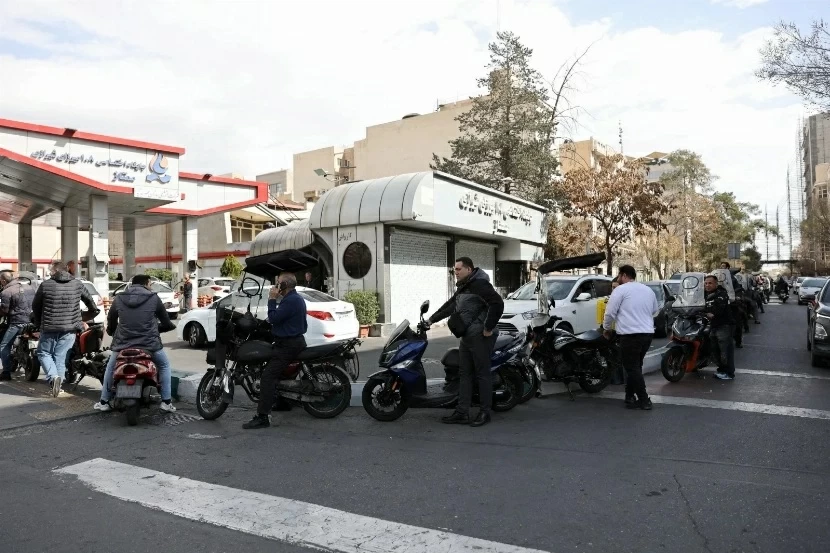
في وقت أقر فيه مساعد وزير النفط والرئيس التنفيذي للشركة الوطنية لتكرير وتوزيع المنتجات النفطية محمد صادق عظيمي بوجود فجوة بين إنتاج البنزين واستهلاكه بلغت في المتوسط نحو 10 ملايين لتر يومياً خلال الأشهر الخمسة الماضية، تتواصل التقارير عن نقص البنزين واصطفاف طوابير أمام محطات الوقود في عدد من المدن الإيرانية.
عجز يومي
وقال عظيمي في مقابلة بثها التلفزيون الإيراني: «إن متوسط استهلاك البنزين خلال هذه الفترة بلغ نحو 132 مليون لتر يومياً، مقابل متوسط إنتاج يقدر بنحو 122 مليون لتر يومياً من المصافي والمصادر غير التكريرية، ما أدى إلى تسجيل عجز يومي يقارب 10 ملايين لتر كان يفترض تعويضه عبر الاستيراد».
اختلال التوازن
وحذر عظيمي من استمرار اختلال التوازن بين العرض والطلب، معتبراً أن مواصلة الاستهلاك عند مستوياته الحالية دون زيادة موازية في الإنتاج ستؤدي إلى ارتفاع واردات البنزين واستنزاف جزء كبير من احتياطات البلاد من النقد الأجنبي لتمويلها. غير أنه لم يكشف عن حجم واردات البنزين الحالية، لكن تصريحات مسؤولين إيرانيين خلال الأسابيع الماضية أشارت إلى صعوبات متزايدة في تأمين الوقود من الخارج.
عقبات الاستيراد
وقال مساعد الرئيس للشؤون التنفيذية محمد جعفر قائم بناه: «إن الإنتاج المحلي لا يغطي الحاجات، وإن طهران تواجه عقبات في استيراد البنزين في ظل الحصار البحري الأمريكي». وأكد الرئيس مسعود بزشكيان سابقاً أن الحكومة تفتقر إلى الموارد اللازمة لاستيراد الوقود. وتحدث مسؤولون في قطاع الطاقة عن قيود على الواردات وتراجع في المخزونات المحلية. في السياق نفسه، أرجع مساعد رئيس منظمة تحسين كفاءة الطاقة ياسر ميرزايي جزءاً من الأزمة إلى تداعيات الحرب في أوكرانيا على أسواق الوقود، لافتاً إلى أن روسيا خفضت صادرات البنزين بسبب نقص الإمدادات في السوق المحلية، بينما لم تعد دول مثل بيلاروسيا قادرة على توفير الكميات التي كانت تؤمنها لإيران في السابق.
At a time when the Assistant Minister of Oil and CEO of the National Oil Refining and Distribution Company, Mohammad Sadegh Azimi, acknowledged the existence of a gap between gasoline production and consumption, which averaged about 10 million liters per day over the past five months, reports of gasoline shortages and long lines at fuel stations in several Iranian cities continue.
Daily Deficit
Azimi stated in an interview broadcast by Iranian television: "The average gasoline consumption during this period reached about 132 million liters per day, compared to an average production estimated at about 122 million liters per day from refineries and non-refining sources, resulting in a daily deficit of nearly 10 million liters that was supposed to be compensated through imports."
Imbalance
Azimi warned of the continued imbalance between supply and demand, considering that maintaining consumption at its current levels without a corresponding increase in production will lead to higher gasoline imports and deplete a significant portion of the country's foreign currency reserves to finance them. However, he did not disclose the current volume of gasoline imports, but statements from Iranian officials in recent weeks indicated increasing difficulties in securing fuel from abroad.
Import Obstacles
Mohammad Jafar Qaim Baneh, the president's assistant for executive affairs, stated: "Domestic production does not cover needs, and Tehran is facing obstacles in importing gasoline due to the American maritime blockade." President Masoud Bezhakian previously confirmed that the government lacks the necessary resources to import fuel. Energy sector officials have spoken about restrictions on imports and a decline in local stocks. In the same context, Yasser Mirzaei, the assistant head of the Energy Efficiency Improvement Organization, attributed part of the crisis to the repercussions of the war in Ukraine on fuel markets, noting that Russia has reduced gasoline exports due to supply shortages in the domestic market, while countries like Belarus are no longer able to provide the quantities they previously secured for Iran.