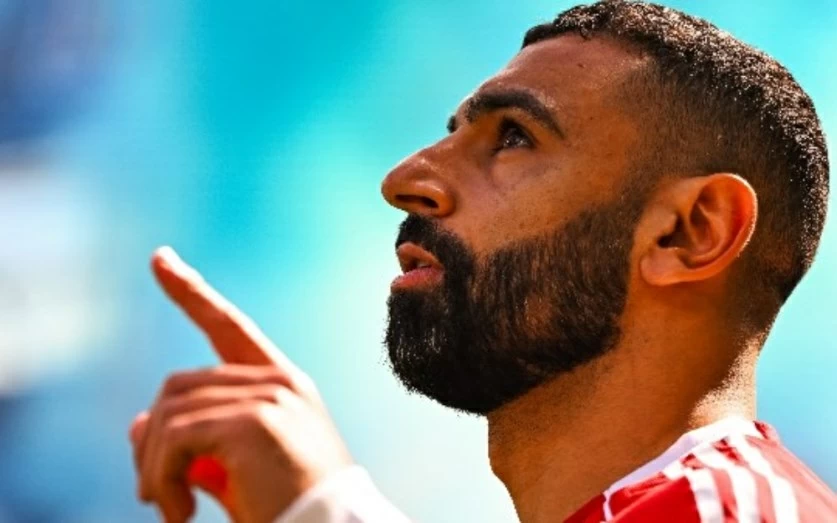
في وقت يحبس فيه الشارع الرياضي أنفاسه، يجد قائد منتخب مصر النجم محمد صلاح نفسه في مواجهة قضائية معقدة داخل المحاكم المصرية، عقب قرار محكمة القاهرة الجديدة الابتدائية بتأجيل نظر الدعوى المقامة ضده إلى جلسة 4 أكتوبر القادم.
لم تعد القصة مجرد نزاع على أوراق، بل تحولت إلى دراما قانونية بعد أن تخلف محمد صلاح عن الحضور بشخصه اليوم (الأحد) أمام قاضي الموضوع لأداء ما يُعرف بـ«اليمين الحاسمة»، وهي اللحظة التي كانت كفيلة بإغلاق الملف تماماً أو نسف كافة مطالب الخصم.
وتعود جذور الأزمة إلى سبتمبر من العام الماضي، حين فجر محامٍ مصري مفاجأة بتحريك دعوى قضائية يطالب فيها بمستحقات وأتعاب مالية ضخمة مقابل استشارات وأعمال قانونية وإدارية أكد أنه أتمها لصالح قائد منتخب مصر.
لكن المفاجأة الكبرى تمثلت في السند الذي اعتمد عليه المحامي، وهو توكيل رسمي صادر من محمد صلاح عام 2012، أي في تلك الأيام التي كان يخطو فيها اللاعب خطواته الأولى نحو الاحتراف الأوروبي بقميص بازل السويسري.
ووضعت المحكمة النجم المصري أمام خيار لا يحتمل المناورة، إذ حددت صيغة حاسمة لليمين تتطلب حضور محمد صلاح بنفسه ليؤدي القسم بـ«عدم استحقاق المدعي لأي مبالغ، ونفي قيامه بتلك الأعمال».
وهنا يكمن الخطر القانوني، فالقانون المصري صريح وشديد القسوة في هذه الجزئية، إذ يُعد امتناع محمد صلاح عن الحضور أو رفضه القسم دون عذر قاهر «نكولاً عن اليمين»، وهو إجراء يعادل قانونياً الاعتراف بصحة ادعاءات المحامي، ويمنح القضاء السند لإلزام محمد صلاح بدفع كافة المستحقات المطالب بها.
وبين ترقب الجماهير وصمت المعسكر القانوني للاعب، تتجه الأنظار نحو جلسة أكتوبر: فهل سيظهر محمد صلاح في المحكمة ليحسم الجدل بأداء القسم، أم سيترك الساحة لمخاطر النكول؟
At a time when the sports community is holding its breath, the captain of the Egyptian national team, star Mohamed Salah, finds himself in a complex legal battle within the Egyptian courts, following the decision of the New Cairo Primary Court to postpone the hearing of the lawsuit filed against him to the session on October 4.
The story has transformed from a mere dispute over documents into a legal drama after Mohamed Salah failed to appear in person today (Sunday) before the presiding judge to take what is known as the "decisive oath," a moment that could have completely closed the case or undermined all the claims of the opponent.
The roots of the crisis date back to September of last year, when an Egyptian lawyer surprised everyone by filing a lawsuit demanding substantial financial dues and fees for consultations and legal and administrative work that he claimed to have completed on behalf of the captain of the Egyptian national team.
However, the biggest surprise was the basis on which the lawyer relied, which is an official power of attorney issued by Mohamed Salah in 2012, during the days when the player was taking his first steps towards European professionalism with the Swiss club Basel.
The court placed the Egyptian star in a position that leaves no room for maneuver, as it set a decisive formula for the oath that requires Mohamed Salah to appear in person to swear that "the plaintiff is not entitled to any amounts and to deny the completion of those works."
Here lies the legal danger, as Egyptian law is explicit and harsh in this regard; Mohamed Salah's refusal to appear or his rejection of the oath without a compelling excuse is considered "refusal of the oath," which legally equates to acknowledging the validity of the lawyer's claims and gives the judiciary the basis to compel Mohamed Salah to pay all the demanded dues.
Amid the anticipation of fans and the silence of the player's legal camp, all eyes are on the October session: Will Mohamed Salah appear in court to resolve the controversy by taking the oath, or will he leave the field open to the dangers of refusal?