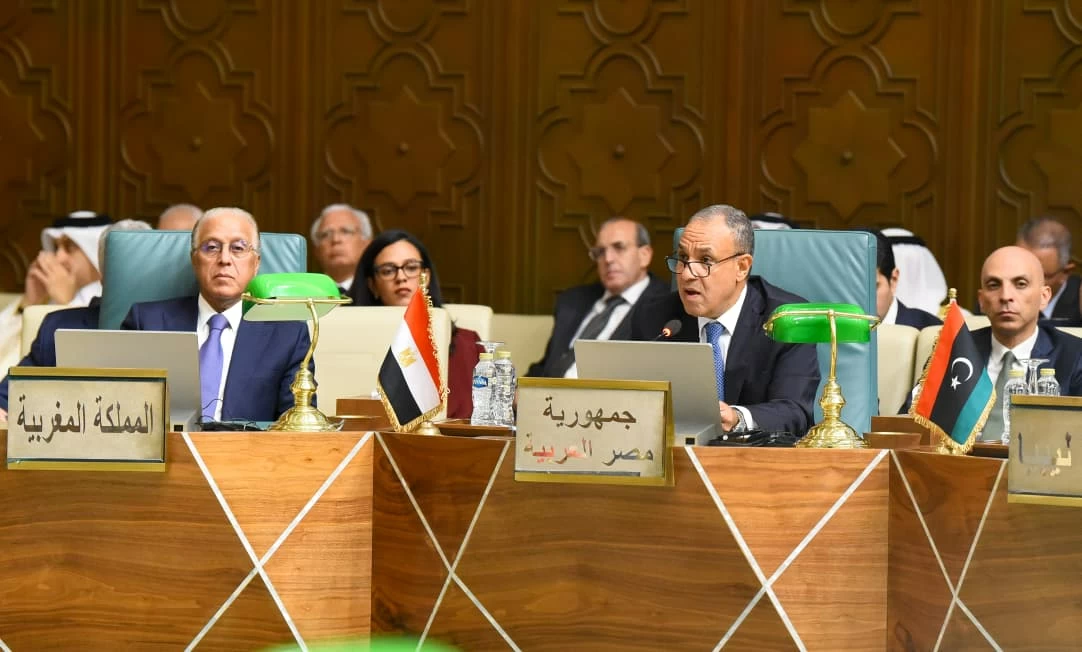
أكد وزير الخارجية المصري بدر عبد العاطي إدانة مصر للاعتداءات الإيرانية التي استهدفت عدداً من الدول العربية، معلناً تضامن القاهرة الكامل مع دول مجلس التعاون الخليجي والأردن والعراق، ومشدداً على رفض المساس بسيادة الدول العربية أو أمنها وسلامة أراضيها.
وقال عبد العاطي، خلال كلمته أمام الدورة العادية الـ166 لمجلس جامعة الدول العربية على المستوى الوزاري، اليوم (الإثنين)، إن مصر تتمسك في الوقت ذاته بضرورة تجنب اتساع دائرة المواجهة والعودة إلى المسار الدبلوماسي لمعالجة مصادر التوتر وتحقيق التهدئة، داعياً إلى البناء على مذكرة التفاهم التي تم التوصل إليها بين الولايات المتحدة وإيران في يونيو 2026، وصولاً إلى اتفاق نهائي ومستدام يضع حداً للتوترات ويعزز الاستقرار الإقليمي.
وشدد وزير الخارجية على أن التطورات الإقليمية المتسارعة لا ينبغي أن تأتي على حساب المأساة الإنسانية المتواصلة في قطاع غزة والضفة الغربية، مؤكداً أن القضية الفلسطينية تظل «جوهر الأمن والاستقرار في المنطقة»، وأن تحقيق السلام العادل والدائم يتطلب إنهاء الاحتلال وتجسيد حل الدولتين وإقامة الدولة الفلسطينية المستقلة على حدود الرابع من يونيو 1967 وعاصمتها القدس الشرقية.
وجدد عبد العاطي رفض مصر القاطع للتهجير والاستيطان والضم وتصفية القضية الفلسطينية، مؤكداً مواصلة القاهرة جهودها لتثبيت وقف إطلاق النار وتنفيذ تفاهمات اتفاق شرم الشيخ واستكمال خريطة الطريق، بما يضمن الانتقال إلى المرحلة الثانية من خطة الرئيس الأمريكي دونالد ترمب للسلام، وانسحاب إسرائيل من قطاع غزة، وضمان النفاذ الكامل والمستدام للمساعدات الإنسانية، ودعم التعافي المبكر وإعادة الإعمار.
كما أكد أهمية تمكين اللجنة الوطنية لإدارة قطاع غزة من أداء مهامها، تمهيداً لعودة السلطة الفلسطينية إلى ممارسة مسؤولياتها كاملة في القطاع والضفة الغربية، بما يضمن وحدة الأراضي الفلسطينية ويدعم المسار السياسي المؤدي إلى إقامة الدولة الفلسطينية المستقلة.
واستعرض وزير الخارجية الموقف المصري تجاه الأزمات في السودان وسورية ولبنان والعراق وليبيا واليمن والصومال، مؤكداً أن التحرك المصري ينطلق من دعم الدولة الوطنية وصون سيادتها ووحدة أراضيها ورفض التدخلات الخارجية، إلى جانب رفض إنشاء كيانات موازية لمؤسسات الدول الشرعية، باعتبار أن الحفاظ على مؤسسات الدولة ووحدتها يمثل ركيزة أساسية لاستقرار المنطقة.
وشدد عبد العاطي على ضرورة ضمان حرية الملاحة في الممرات والمضايق الدولية، ولا سيما مضيق هرمز والبحر الأحمر، مؤكداً أن أمن البحر الأحمر مسؤولية مشتركة وحصرية للدول المشاطئة، في ظل ما تمثله اضطرابات الملاحة من مخاطر على أمن المنطقة وحركة التجارة وسلاسل الإمداد.
وفي ملف الأمن المائي، أكد وزير الخارجية أن نهر النيل يمثل شريان الحياة وركيزة أساسية لأمن مصر والسودان، مشدداً على ضرورة التصدي للسياسات والإجراءات الأحادية التي تمس الحقوق المائية لدولتي المصب، والعمل وفق القواعد والمبادئ المنظمة لاستخدام الموارد المائية المشتركة.
وفي إطار تعزيز العمل العربي المشترك، دعا عبد العاطي إلى تطوير ترتيبات أمنية عربية تعزز القدرة الجماعية على حماية الأمن القومي العربي، من خلال دفع التكامل الأمني والدفاعي وتنسيق القدرات العربية المتاحة، والبناء على معاهدة الدفاع العربي المشترك والقرارات العربية ذات الصلة.
وأكد استعداد مصر للعمل مع جامعة الدول العربية والدول الأعضاء لإعداد تصور متكامل لهذه الترتيبات، يحدد مجالات التعاون وأطر التنسيق والاستجابة للأزمات ومسارات التنفيذ والمتابعة، بما يحول الإرادة السياسية العربية المشتركة إلى «قدرة عربية عملية» قادرة على الوقاية والردع والتعامل الجماعي مع التهديدات والأزمات، مع احترام سيادة الدول العربية واستقلال قرارها.
The Egyptian Foreign Minister, Badr Abdel Atti, affirmed Egypt's condemnation of the Iranian attacks targeting several Arab countries, announcing Cairo's full solidarity with the Gulf Cooperation Council countries, Jordan, and Iraq, and emphasizing the rejection of any infringement on the sovereignty of Arab states or their security and territorial integrity.
Abdel Atti stated during his speech at the 166th regular session of the Arab League Council at the ministerial level today (Monday) that Egypt insists on the necessity of avoiding the escalation of confrontation and returning to the diplomatic path to address the sources of tension and achieve de-escalation. He called for building on the memorandum of understanding reached between the United States and Iran in June 2026, leading to a final and sustainable agreement that puts an end to tensions and enhances regional stability.
The Foreign Minister stressed that the rapidly evolving regional developments should not come at the expense of the ongoing humanitarian tragedy in the Gaza Strip and the West Bank, affirming that the Palestinian issue remains "the core of security and stability in the region," and that achieving a just and lasting peace requires ending the occupation and embodying the two-state solution, establishing an independent Palestinian state on the borders of June 4, 1967, with East Jerusalem as its capital.
Abdel Atti reiterated Egypt's firm rejection of displacement, settlement, annexation, and the liquidation of the Palestinian cause, confirming Cairo's continued efforts to stabilize the ceasefire, implement the understandings of the Sharm El-Sheikh Agreement, and complete the roadmap, ensuring the transition to the second phase of U.S. President Donald Trump's peace plan, the withdrawal of Israel from the Gaza Strip, and guaranteeing full and sustainable access to humanitarian aid, supporting early recovery and reconstruction.
He also emphasized the importance of empowering the National Committee for Gaza Management to perform its duties, paving the way for the Palestinian Authority to fully resume its responsibilities in the Gaza Strip and the West Bank, ensuring the unity of Palestinian territories and supporting the political path leading to the establishment of an independent Palestinian state.
The Foreign Minister reviewed Egypt's position on the crises in Sudan, Syria, Lebanon, Iraq, Libya, Yemen, and Somalia, affirming that Egypt's actions are based on supporting the nation-state, preserving its sovereignty and territorial integrity, and rejecting foreign interventions, as well as opposing the establishment of parallel entities to the legitimate state institutions, considering that maintaining state institutions and their unity is a fundamental pillar for regional stability.
Abdel Atti stressed the necessity of ensuring freedom of navigation in international corridors and straits, particularly the Strait of Hormuz and the Red Sea, affirming that the security of the Red Sea is a shared and exclusive responsibility of the bordering states, given the risks that navigation disruptions pose to regional security, trade movement, and supply chains.
In the context of water security, the Foreign Minister affirmed that the Nile River represents a lifeline and a fundamental pillar for the security of Egypt and Sudan, stressing the need to confront unilateral policies and measures that affect the water rights of the downstream countries, and to work according to the rules and principles governing the use of shared water resources.
In the framework of enhancing Arab joint action, Abdel Atti called for developing Arab security arrangements that strengthen the collective ability to protect Arab national security, by promoting security and defense integration and coordinating available Arab capabilities, building on the Arab mutual defense treaty and relevant Arab resolutions.
He affirmed Egypt's readiness to work with the Arab League and member states to prepare a comprehensive vision for these arrangements, defining areas of cooperation, frameworks for coordination, crisis response, and implementation and follow-up pathways, transforming the common Arab political will into a "practical Arab capability" capable of prevention, deterrence, and collective handling of threats and crises, while respecting the sovereignty of Arab states and the independence of their decisions.