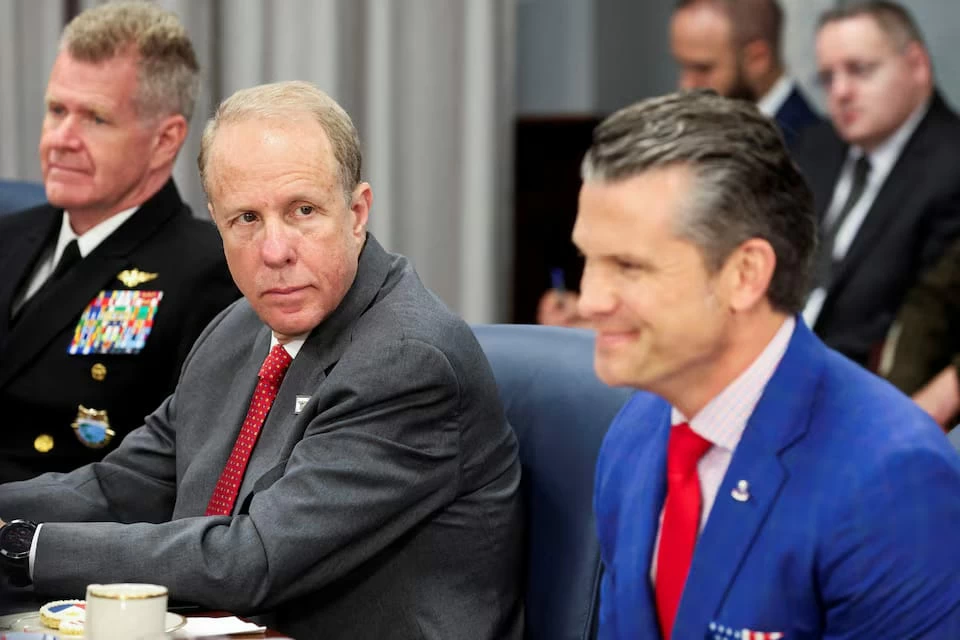
يبحث البيت الأبيض الأمريكي أسماء مرشحين محتملين لخلافة نائب وزير الدفاع ستيف فينبرغ، في خطوة قد تمهد لتغيير جديد في قيادة وزارة الدفاع، التي شهدت خلال الأشهر الماضية معدل مغادرة مرتفعاً بصورة غير معتادة لعدد من كبار المسؤولين.
وبحسب وكالة «رويترز» قالت ثلاثة مصادر مطلعة على المناقشات، إن عملية مراجعة المرشحين كانت جارية منذ يونيو الماضي، فيما شملت اتصالات مع أعضاء بارزين في مجلس الشيوخ لبحث مدى قدرة الأسماء المطروحة على الحصول على الدعم اللازم لتثبيتها في مناصبها.
وأضاف مصدران أن المناقشات تضمنت مشاورات مع أعضاء كبار في مجلس الشيوخ، بينما قال أحدهما إن عملية المراجعة كانت لا تزال مستمرة حتى أواخر أغسطس الماضي.
وأكدت المصادر الثلاثة أنه لم يتم اتخاذ قرار بإبعاد فينبرغ من منصبه، كما لم توضح سبب مراجعة البيت الأبيض لأسماء بديلة، أو تكشف عن المرشحين الذين يجري بحثهم.
وفي المقابل، نفت المتحدثة باسم البيت الأبيض آنا كيلي ما ورد في التقرير، قائلة إن «هذه المصادر المجهولة المزعومة لا تعرف عما تتحدث».
وأضافت أن الرئيس الأمريكي ترمب يقدر عمل وزير الدفاع بيت هيغسيث ونائبه ستيف فينبرغ وجميع العاملين في «وزارة الحرب»، مشيرة إلى ما وصفته بسجل النجاح في العمليات العسكرية الأمريكية «Epic Fury» و«Absolute Resolve» و«Midnight Hammer» المرتبطة بالعمليات العسكرية الأمريكية في إيران وفنزويلا.
كما نفى البنتاغون وجود عملية جارية لاستبدال فينبرغ.
وقال هيغسيث في بيان لـ«رويترز» إن فينبرغ يحظى «بدعمه الكامل»، مضيفاً: «إنه لن يذهب إلى أي مكان».
ولم يقدم البنتاغون تعليقاً من فينبرغ بشأن الأمر، كما رفض إتاحته لإجراء مقابلة.
وفي حال مغادرته منصبه، سيكون رحيل فينبرغ، الملياردير والشريك المؤسس لشركة «سيربيروس كابيتال مانجمنت» للاستثمار الخاص، التغيير القيادي الأبرز في وزارة الدفاع منذ تولي بيت هيغسيث منصب وزير الدفاع، في ظل سلسلة من المغادرات رفيعة المستوى.
وكان وزير الجيش دان دريسكول، قد استقال هذا الأسبوع، بعد أشهر من التوتر مع هيغسيث، وفقاً لمصدر مطلع على الأمر، فيما رفض الجيش التعليق على أسباب مغادرته.
كما غادر وزير البحرية جون فيلان وعدد من كبار قادة الجيش مناصبهم خلال الأشهر الماضية.
وتعهد فينبرغ، الذي عينه ترمب العام الماضي، بتسريع إنتاج الذخائر الأمريكية وإعادة بناء القاعدة الصناعية الدفاعية، إلا أن محللين يرون أنه لم يحقق الهدف المعلن حتى الآن، مشيرين إلى صعوبة زيادة قدرات الإنتاج العسكري الأمريكي بالسرعة المطلوبة.
ويرى عدد من المسؤولين التنفيذيين في قطاع الصناعات الدفاعية أن مهمة فينبرغ أصبحت أكثر تعقيداً بسبب بطء الكونغرس في تخصيص الأموال اللازمة، رغم الضغوط الكبيرة التي مارستها إدارة ترمب.
وقال هيغسيث إن فينبرغ «عمل بلا كلل لإعادة بناء قاعدتنا الصناعية الدفاعية وضمان حصول جيشنا على كل ما يحتاج إليه لتحقيق النصر»، مضيفاً أنه يتطلع إلى مواصلة العمل معه، وأنه «يؤدي عملاً هائلاً» لصالح ترمب والوزارة والقوات الأمريكية.
وتأتي التكهنات بشأن مستقبل فينبرغ في وقت عبّر فيه ترمب بصورة متزايدة عن إحباطه من بطء التقدم في الحرب مع إيران، التي دخلت شهرها السادس وتحولت إلى مواجهة مكلفة بين واشنطن وطهران.
ومن أبرز تداعيات الحرب تراجع مخزونات الأسلحة الأمريكية، إذ سبق أن أفادت «رويترز» بأن الجيش الأمريكي يواجه نقصاً كبيراً في بعض أنواع الذخائر، الأمر الذي أثار قلق أعضاء في الكونغرس وقيادات عسكرية.
لكن ترمب قلل من أهمية هذه المخاوف، مؤكداً أن الولايات المتحدة تمتلك «ذخائر أكثر بكثير من أي دولة أخرى في العالم».
وبحسب صحيفة «واشنطن بوست»، ألقى هيغسيث خلال اجتماع مع ترمب في كامب ديفيد في وقت سابق من الشهر الجاري باللوم على فينبرغ في انخفاض مخزونات الصواريخ الموجهة بعيدة المدى والصواريخ الاعتراضية المستخدمة في الدفاع الجوي.
إلا أن البيت الأبيض وصف التقرير بأنه «أخبار زائفة».
وقال المتحدث باسم البنتاغون شون بارنيل لـ«رويترز» إن هيغسيث «لم يضلل أحداً بشأن وضع الذخائر»، كما أنه «لم يلقِ باللوم على نائب الوزير فينبرغ».
ومنذ توليه منصبه، عمل فينبرغ على إعادة تشكيل طريقة عمل البنتاغون، من خلال زيادة الاستثمارات المباشرة للجيش الأمريكي في الشركات، وتوفير قروض للمقاولين العسكريين عبر عدة مكاتب داخل الوزارة.
وشملت هذه الجهود «مكتب رأس المال الإستراتيجي»، إلى جانب «وحدة الدفاع الاقتصادي» التي أنشئت حديثاً.
وفي مذكرة وجهها في 18 أغسطس إلى شركات الصناعات الدفاعية، دعا فينبرغ المقاولين إلى تسريع الإنتاج وزيادة الشفافية بشأن الأسعار.
كما واجه فينبرغ تدقيقاً متزايداً داخل الكونغرس، حيث أثارت السيناتورة الأمريكية الديمقراطية إليزابيث وارن مخاوف بشأن احتمال استفادة شركته السابقة «سيربيروس» من إنفاق البنتاغون على برنامج الدفاع الصاروخي «القبة الذهبية».
ورد بارنيل على هذه المخاوف بالتأكيد على عدم وجود أي تضارب في المصالح بين فينبرغ و«سيربيروس»، قائلاً إن نائب وزير الدفاع «تخلى بالكامل عن استثماراته في الشركة»، كما امتنع عن المشاركة في أي نقاشات أو علاقات تجارية بين السلطة التنفيذية والشركة.
وتأتي هذه التطورات في وقت تواجه فيه وزارة الدفاع الأمريكية سلسلة من التغييرات في صفوف قياداتها، بالتزامن مع ضغوط متزايدة بسبب الحرب مع إيران، ونقص بعض أنواع الذخائر، ومحاولات إدارة ترمب إعادة تنظيم القاعدة الصناعية الدفاعية الأمريكية وتسريع إنتاج الأسلحة.
The American White House is looking for potential candidates to succeed Deputy Secretary of Defense Steve Finberg, in a move that could pave the way for a new change in the leadership of the Department of Defense, which has seen an unusually high turnover rate among several senior officials in recent months.
According to Reuters, three sources familiar with the discussions said that the candidate review process has been ongoing since last June, and it included communications with prominent members of the Senate to discuss the viability of the proposed names in securing the necessary support for their appointments.
Two sources added that the discussions involved consultations with senior Senate members, while one of them stated that the review process was still ongoing as of late August.
The three sources confirmed that no decision has been made to remove Finberg from his position, nor did they clarify the reason for the White House's review of alternative names, or disclose the candidates being considered.
In contrast, White House spokesperson Anna Kelly denied the report, stating that "these alleged anonymous sources do not know what they are talking about."
She added that President Trump appreciates the work of Secretary of Defense Pete Hegseth, Deputy Secretary Steve Finberg, and all the staff at the "Department of War," referring to what she described as a record of success in U.S. military operations "Epic Fury," "Absolute Resolve," and "Midnight Hammer," related to U.S. military operations in Iran and Venezuela.
The Pentagon also denied that there is an ongoing process to replace Finberg.
Hegseth stated in a statement to Reuters that Finberg has his "full support," adding, "He is not going anywhere."
The Pentagon did not provide a comment from Finberg regarding the matter, nor did it allow him to be interviewed.
If he were to leave his position, Finberg's departure, a billionaire and co-founder of Cerberus Capital Management, would be the most significant leadership change at the Department of Defense since Pete Hegseth took office as Secretary of Defense, amid a series of high-level departures.
Army Secretary Dan Driscoll resigned this week after months of tension with Hegseth, according to a source familiar with the matter, while the Army declined to comment on the reasons for his departure.
Additionally, Navy Secretary John F. Kelly and several senior military leaders have left their positions in recent months.
Finberg, who was appointed by Trump last year, pledged to accelerate U.S. munitions production and rebuild the defense industrial base, but analysts believe he has not yet achieved the stated goal, pointing to the difficulty of increasing U.S. military production capabilities at the required pace.
Several executives in the defense industry believe that Finberg's mission has become more complicated due to Congress's slow allocation of necessary funds, despite the significant pressure exerted by the Trump administration.
Hegseth stated that Finberg "has worked tirelessly to rebuild our defense industrial base and ensure our military gets everything it needs to achieve victory," adding that he looks forward to continuing to work with him and that he is "doing a tremendous job" for Trump, the department, and U.S. forces.
Speculation about Finberg's future comes at a time when Trump has increasingly expressed his frustration with the slow progress in the war with Iran, which has entered its sixth month and turned into a costly confrontation between Washington and Tehran.
One of the most significant repercussions of the war has been the depletion of U.S. weapon stocks, as Reuters previously reported that the U.S. military is facing a significant shortage of certain types of munitions, raising concerns among members of Congress and military leaders.
However, Trump downplayed these concerns, asserting that the United States has "far more munitions than any other country in the world."
According to the Washington Post, Hegseth blamed Finberg during a meeting with Trump at Camp David earlier this month for the decline in stocks of long-range guided missiles and interceptors used in air defense.
However, the White House described the report as "fake news."
Pentagon spokesperson Sean Parnell told Reuters that Hegseth "did not mislead anyone about the status of munitions," nor did he "blame Deputy Secretary Finberg."
Since taking office, Finberg has worked to reshape the way the Pentagon operates, by increasing direct investments by the U.S. military in companies and providing loans to military contractors through several offices within the department.
These efforts included the "Strategic Capital Office," alongside the newly established "Economic Defense Unit."
In a memo sent on August 18 to defense industry companies, Finberg urged contractors to accelerate production and increase transparency regarding prices.
Finberg has also faced increasing scrutiny within Congress, as Democratic Senator Elizabeth Warren raised concerns about the possibility of his former company, Cerberus, benefiting from Pentagon spending on the "Iron Dome" missile defense program.
Parnell responded to these concerns by emphasizing that there is no conflict of interest between Finberg and Cerberus, stating that the Deputy Secretary of Defense "has completely divested his investments in the company" and refrained from participating in any discussions or business relationships between the executive branch and the company.
These developments come at a time when the U.S. Department of Defense is facing a series of changes in its leadership ranks, alongside increasing pressures due to the war with Iran, shortages of certain types of munitions, and the Trump administration's attempts to reorganize the U.S. defense industrial base and accelerate weapons production.