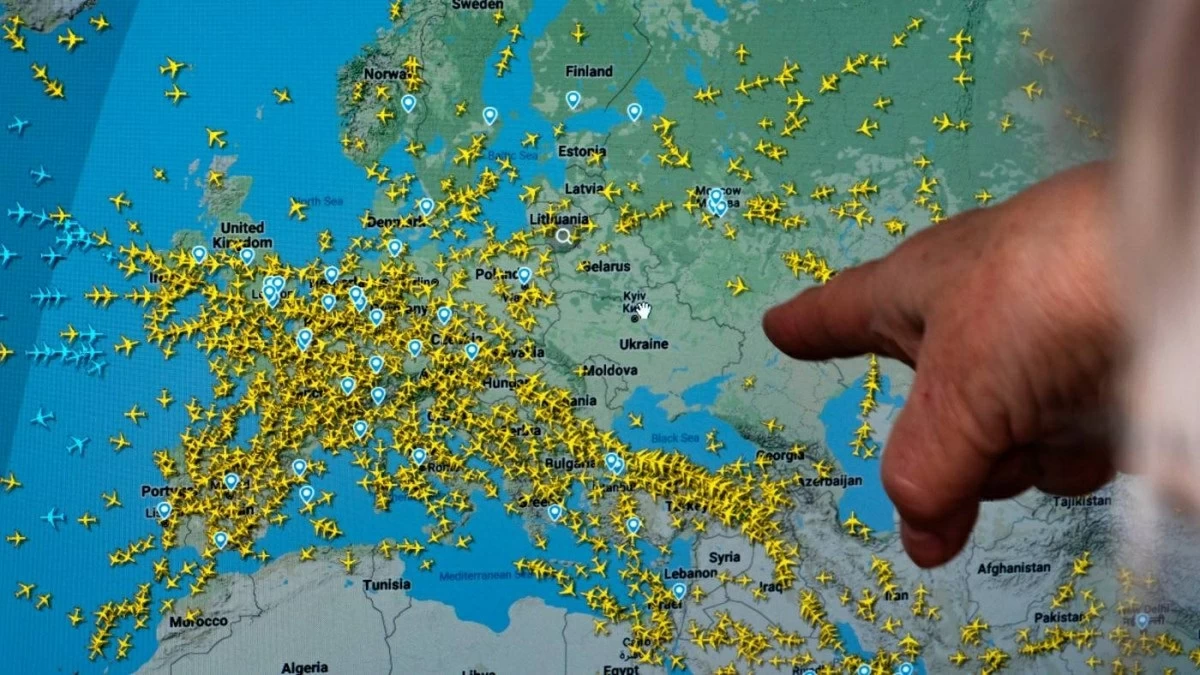
من الممكن أن تصاب بالدهشة أو القلق حين تفتح تطبيق تتبع الرحلات وتلاحظ أن طائرتك تسلك مساراً متعرجاً، أو تنحرف فجأة عن خط السير المباشر، أو حتى تدور في حلقات مفرغة بالهواء بدلاً من التوجه فوراً نحو وجهتها.
لكن الخبر السار هو أن هذه الحركة التي تبدو «غريبة» ليست عشوائية أو خطأ ملاحياً بالمرة، بل هي معزوفة هندسية معقدة لضمان أمان الحركة الجوية!
أولى وأبرز أسباب هذه المناورات يكمن فيما يُعرف بـ«أنماط الانتظار» (Holding Patterns)؛ فعندما تصبح المطارات شديدة الازدحام وتتجاوز القدرة الاستيعابية الفورية للمدارج، يُصدر مراقبو الحركة الجوية تعليمات صارمة للطيارين بالتحليق ضمن مسار بيضاوي يشبه «مضمار السباق» بارتفاع وسرعة محددين، وذلك لتنظيم تدفق الهبوط ومنع أي كارثة أو اصطدام خطير قرب المطار.
السبب الثاني والأكثر أهمية هو الطقس والظروف الجوية، فالطيارون لا يعبرون فوق العواصف الرعدية أو مناطق المطبات الحادة، بل يطلبون انحرافات مفاجئة للالتفاف حول الخطر، مما يُظهر الطائرة على الخرائط التفاعلية وكأنها تقوم بانعطافات حادة وغير مبررة.
كما يلعب الازدحام في المجالات الجوية المقيدة دوراً محفزاً للمناورة، حيث يضطر مراقبو الطيران لإرغام الطائرة على إطالة مسارها الجوي أو خفض سرعتها للحفاظ على مسافات الفاصل الآمن بينها وبين الطائرات المجاورة.
ولذا، ففي المرة القادمة التي ترى فيها طائرتك تدور بالهواء، اعلم أن خط المسار المستقيم ليس دائماً هو الأقصر، وأن هذه الالتفافات هي الطريق الأضمن لوصولك بسلام إلى مدرج المطار.
You may be surprised or anxious when you open a flight tracking app and notice that your airplane is taking a winding path, suddenly veering off the direct course, or even circling in the air instead of heading straight to its destination.
But the good news is that this movement, which seems "strange," is not random or a navigational error at all; rather, it is a complex geometric dance designed to ensure the safety of air traffic!
The first and most prominent reason for these maneuvers lies in what is known as "Holding Patterns"; when airports become extremely congested and exceed the immediate capacity of the runways, air traffic controllers issue strict instructions to pilots to fly in an oval path resembling a "race track" at a specified altitude and speed, in order to organize the flow of landings and prevent any disaster or serious collision near the airport.
The second and more important reason is the weather and atmospheric conditions; pilots do not fly over thunderstorms or areas of severe turbulence, but instead request sudden deviations to circle around the danger, which makes the airplane appear on interactive maps as if it is making sharp and unjustified turns.
Additionally, congestion in restricted airspace plays a stimulating role in maneuvering, as air traffic controllers are forced to make the aircraft extend its flight path or reduce its speed to maintain safe separation distances from neighboring aircraft.
Therefore, the next time you see your airplane circling in the air, know that the straight flight path is not always the shortest, and that these detours are the safest way to ensure you arrive safely at the airport runway.