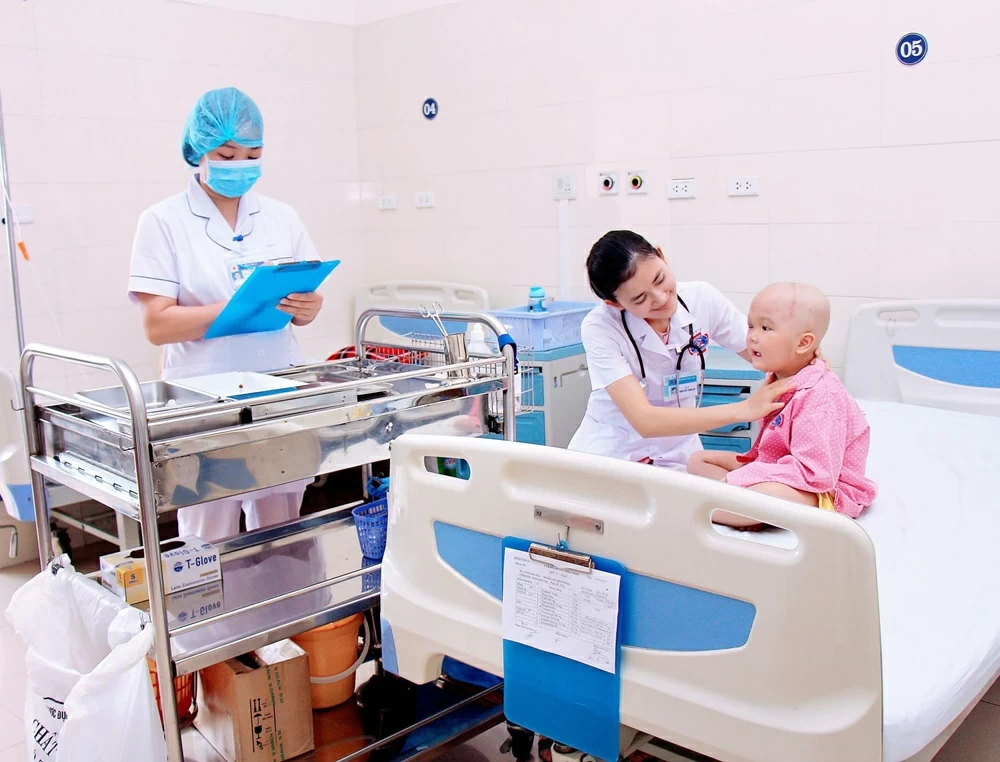
تُعد الحمى من الأعراض الشائعة لدى الأطفال، خصوصًا مع تغير الفصول وانتشار العدوى الموسمية، وغالبًا ما تكون مرتبطة بالتهابات بسيطة ومؤقتة. لكن استمرار ارتفاع الحرارة أو تكراره بصورة غير معتادة، خصوصًا إذا صاحبه عدد من الأعراض الأخرى، قد يستدعي مراجعة طبيب الأطفال للتأكد من عدم وجود مشكلة صحية تحتاج إلى تقييم متخصص.
وبالتزامن مع شهر التوعية بسرطان الأطفال، الذي يوافق سبتمبر من كل عام، واليوم العالمي لسرطان الدم في 4 سبتمبر، أوضحت الدكتورة أميتا ماهاجان، استشارية أولى في أورام الأطفال بمستشفى إندرابراستا أبولو في دلهي، أبرز العلامات التي ينبغي على الأهل الانتباه إليها.
6 علامات لا ينبغي تجاهلها
سرطان الدم «اللوكيميا» هو أحد أنواع السرطان التي تصيب الدم ونخاع العظام، ويمكن أن تؤثر في قدرة الجسم على إنتاج خلايا الدم السليمة.
وبحسب الدكتورة ماهاجان، تشمل أبرز العلامات التي تستحق المتابعة:
الحمى المستمرة أو المتكررة.
التعب والضعف غير المعتادين أو شحوب البشرة.
ظهور كدمات أو نزيف دون سبب واضح، أو تكرار نزيف الأنف.
آلام العظام أو المفاصل.
فقدان الشهية أو انخفاض الوزن دون سبب واضح.
تكرار العدوى أو استمرارها لفترة أطول من المعتاد.
وأكدت الطبيبة أن ظهور أحد هذه الأعراض لا يعني بالضرورة إصابة الطفل بسرطان الدم، إذ يمكن أن تحدث هذه العلامات نتيجة العديد من الأمراض الشائعة لدى الأطفال.
لكن ما يستدعي الانتباه هو استمرار الأعراض أو تكرارها أو ظهور مجموعة منها في الوقت نفسه.
متى يحتاج الطفل إلى الفحص؟
أوضحت ماهاجان أن إصابة الطفل بنوبة واحدة من الحمى أو الشعور بالتعب أو ظهور كدمة لا تعني تلقائيًا وجود سرطان الدم.
لكن إذا ظل الطفل يعاني تعبًا غير معتاد بعد التعافي من عدوى، أو ظهرت لديه كدمات دون تفسير، أو تكررت الحمى، أو اشتكى بصورة متكررة من آلام العظام والمفاصل، فمن الأفضل استشارة طبيب الأطفال بدل افتراض أن الأعراض مجرد عدوى موسمية.
كما أن تكرار العدوى لدى الأطفال ليس أمرًا نادرًا، خاصة مع الاحتكاك المستمر بزملائهم في المدرسة أو الحضانة، إلا أن طبيعة العدوى ومدتها وتكرارها قد تكون عوامل مهمة في تحديد الحاجة إلى مزيد من الفحوصات.
وفي بعض الحالات، قد يطلب طبيب الأطفال إجراء تحليل صورة دم كاملة (CBC) كجزء من التقييم الأولي، وفقًا للأعراض والفحص السريري.
لماذا يهم التشخيص المبكر؟
إذا أظهرت تحاليل الدم نتائج غير طبيعية تستدعي مزيدًا من التحقيق، فقد يُحال الطفل إلى طبيب متخصص في أمراض الدم وأورام الأطفال لإجراء تقييم أكثر تخصصًا.
وتشير ماهاجان إلى أن تحديد النوع الدقيق لسرطان الدم أمر مهم، لأن خطة العلاج تختلف وفقًا لنوع المرض والحالة الصحية العامة للطفل.
وتتضمن خيارات العلاج بروتوكولات علاجية مثبتة، وتشكل العلاج الكيميائي جزءًا مهمًا منها، بينما يمكن استخدام وسائل علاجية أخرى وفقًا لحالة كل طفل.
رسالة مهمة للأهل
لا ينبغي أن يشعر الأهل بالقلق لمجرد إصابة طفلهم بالحمى أو ظهور كدمة أو شعوره بالتعب؛ فهذه أعراض شائعة ولها أسباب متعددة.
لكن في المقابل، لا ينبغي تجاهل الأعراض غير المعتادة أو المستمرة باعتبارها مجرد عدوى موسمية.
وتنصح ماهاجان الأهل بالنظر إلى الصورة الصحية الكاملة بدل التركيز على عرض واحد، موضحة أن استمرار أو تكرار الحمى، والكدمات غير المبررة، والتعب غير المعتاد، وشحوب البشرة، والعدوى المتكررة، وآلام العظام أو فقدان الوزن دون تفسير، كلها أسباب تستوجب تقييمًا طبيًا.
والأهم أن تشخيص سرطان الدم لا يمكن تأكيده اعتمادًا على الأعراض وحدها، وإنما يحتاج إلى فحص طبي وتحاليل واستقصاءات مناسبة، لذلك فإن مراجعة الطبيب عند وجود علامات مستمرة أو غير معتادة هي الخطوة الصحيحة لتحديد السبب والحصول على الرعاية المناسبة في الوقت المناسب.
Fever is a common symptom in children, especially with seasonal changes and the spread of seasonal infections, and it is often associated with mild and temporary infections. However, if the fever persists or recurs unusually, especially if accompanied by a number of other symptoms, it may require a visit to a pediatrician to ensure that there is no underlying health issue that needs specialized evaluation.
In conjunction with Childhood Cancer Awareness Month, which takes place every September, and World Leukemia Day on September 4th, Dr. Amita Mahajan, a senior consultant in pediatric oncology at Indraprastha Apollo Hospital in Delhi, highlighted the key signs that parents should pay attention to.
6 Signs Not to Ignore
Leukemia is one type of cancer that affects the blood and bone marrow and can impact the body's ability to produce healthy blood cells.
According to Dr. Mahajan, the main signs that deserve monitoring include:
Persistent or recurrent fever.
Unusual fatigue and weakness or pale skin.
Bruising or bleeding without a clear cause, or frequent nosebleeds.
Bone or joint pain.
Loss of appetite or unexplained weight loss.
Frequent infections or infections that last longer than usual.
The doctor emphasized that the presence of one of these symptoms does not necessarily mean that the child has leukemia, as these signs can occur due to many common illnesses in children.
However, what warrants attention is the persistence or recurrence of symptoms or the simultaneous appearance of several of them.
When Does a Child Need to Be Examined?
Dr. Mahajan clarified that a single episode of fever, fatigue, or a bruise does not automatically indicate leukemia.
However, if the child continues to experience unusual fatigue after recovering from an infection, or if they develop unexplained bruises, or if the fever recurs, or if they frequently complain of bone and joint pain, it is best to consult a pediatrician rather than assume that the symptoms are just a seasonal infection.
Additionally, frequent infections in children are not uncommon, especially with their continuous interaction with peers at school or daycare, but the nature, duration, and frequency of infections can be important factors in determining the need for further tests.
In some cases, a pediatrician may request a complete blood count (CBC) as part of the initial evaluation, depending on the symptoms and clinical examination.
Why is Early Diagnosis Important?
If blood tests show abnormal results that require further investigation, the child may be referred to a specialist in hematology and pediatric oncology for a more specialized evaluation.
Dr. Mahajan points out that determining the exact type of leukemia is important because the treatment plan varies according to the type of disease and the child's overall health condition.
Treatment options include established therapeutic protocols, with chemotherapy being an important part of them, while other therapeutic means can be used depending on each child's condition.
An Important Message for Parents
Parents should not feel anxious simply because their child has a fever, a bruise, or feels tired; these are common symptoms with multiple causes.
However, on the other hand, unusual or persistent symptoms should not be dismissed as just a seasonal infection.
Dr. Mahajan advises parents to look at the overall health picture rather than focusing on a single symptom, explaining that persistent or recurrent fever, unexplained bruises, unusual fatigue, pale skin, recurrent infections, bone pain, or unexplained weight loss are all reasons that warrant medical evaluation.
Most importantly, a diagnosis of leukemia cannot be confirmed based solely on symptoms; it requires a medical examination and appropriate tests and investigations. Therefore, consulting a doctor when there are persistent or unusual signs is the right step to determine the cause and receive appropriate care in a timely manner.