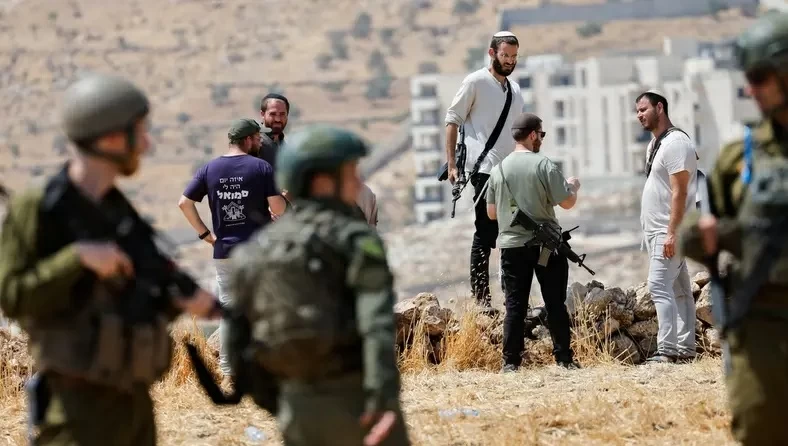
دعت فرنسا، (الأربعاء)، الاتحاد الأوروبي إلى حظر التجارة مع المستوطنات الإسرائيلية، أسوةً بالقيود التي فرضها التكتل على الواردات والاستثمارات المرتبطة بشبه جزيرة القرم بعد ضم روسيا لها عام 2014.
وقال وزير الخارجية الفرنسي جان نويل بارو إن المستوطنات الإسرائيلية كيانات غير قانونية بموجب القانون الدولي، مضيفاً: «لا يمكن للاتحاد الأوروبي دعم كيانات غير قانونية من خلال المبادلات التجارية معها».
وأعادت الدعوة الفرنسية إلى الواجهة سابقة العقوبات الأوروبية على القرم، التي شملت حظر استيراد المنتجات القادمة من شبه الجزيرة وسيفاستوبول، وقيوداً على الاستثمارات والخدمات والسياحة وتصدير بعض السلع والتكنولوجيات، في إطار سياسة أوروبية لعدم الاعتراف بضم الأراضي الذي تعتبره مخالفاً للقانون الدولي.
ويملك الاتحاد الأوروبي بالفعل نموذجاً لاستخدام الأدوات التجارية والاقتصادية لعزل أراضٍ يعتبر وجود سلطة الدولة القائمة عليها غير قانوني بموجب القانون الدولي، فبعد إعلان روسيا ضم شبه جزيرة القرم ومدينة سيفاستوبول عام 2014، بدأ الاتحاد الأوروبي في فرض حزمة متدرجة من الإجراءات التقييدية، شملت حظر استيراد المنتجات القادمة من القرم وسيفاستوبول إلى أسواق الاتحاد، إلى جانب منع الاستثمارات الجديدة في قطاعات البنية التحتية والنقل والاتصالات والطاقة.
وفرض الاتحاد قيوداً على تصدير بعض السلع والتكنولوجيات إلى المنطقة، ولا سيما تلك المرتبطة بالنقل والطاقة والنفط والغاز والموارد المعدنية، فضلاً عن تقييد الخدمات السياحية ومنع السفن الأوروبية من دخول موانئ القرم، باستثناء حالات الطوارئ.
France called on the European Union (Wednesday) to ban trade with Israeli settlements, similar to the restrictions imposed by the bloc on imports and investments related to the Crimean Peninsula after Russia's annexation in 2014.
French Foreign Minister Jean-Noël Barrot stated that Israeli settlements are illegal entities under international law, adding, "The European Union cannot support illegal entities through trade exchanges with them."
The French call has brought back to the forefront the precedent of European sanctions on Crimea, which included a ban on importing products from the peninsula and Sevastopol, as well as restrictions on investments, services, tourism, and the export of certain goods and technologies, as part of a European policy of non-recognition of the annexation of territories that it considers contrary to international law.
The European Union already has a model for using trade and economic tools to isolate territories where the presence of the governing state is deemed illegal under international law. Following Russia's announcement of the annexation of Crimea and the city of Sevastopol in 2014, the EU began imposing a graduated package of restrictive measures, which included a ban on importing products from Crimea and Sevastopol to EU markets, as well as prohibiting new investments in infrastructure, transport, communications, and energy sectors.
The EU imposed restrictions on the export of certain goods and technologies to the region, particularly those related to transport, energy, oil, gas, and mineral resources, in addition to restricting tourism services and preventing European ships from entering Crimean ports, except in emergencies.