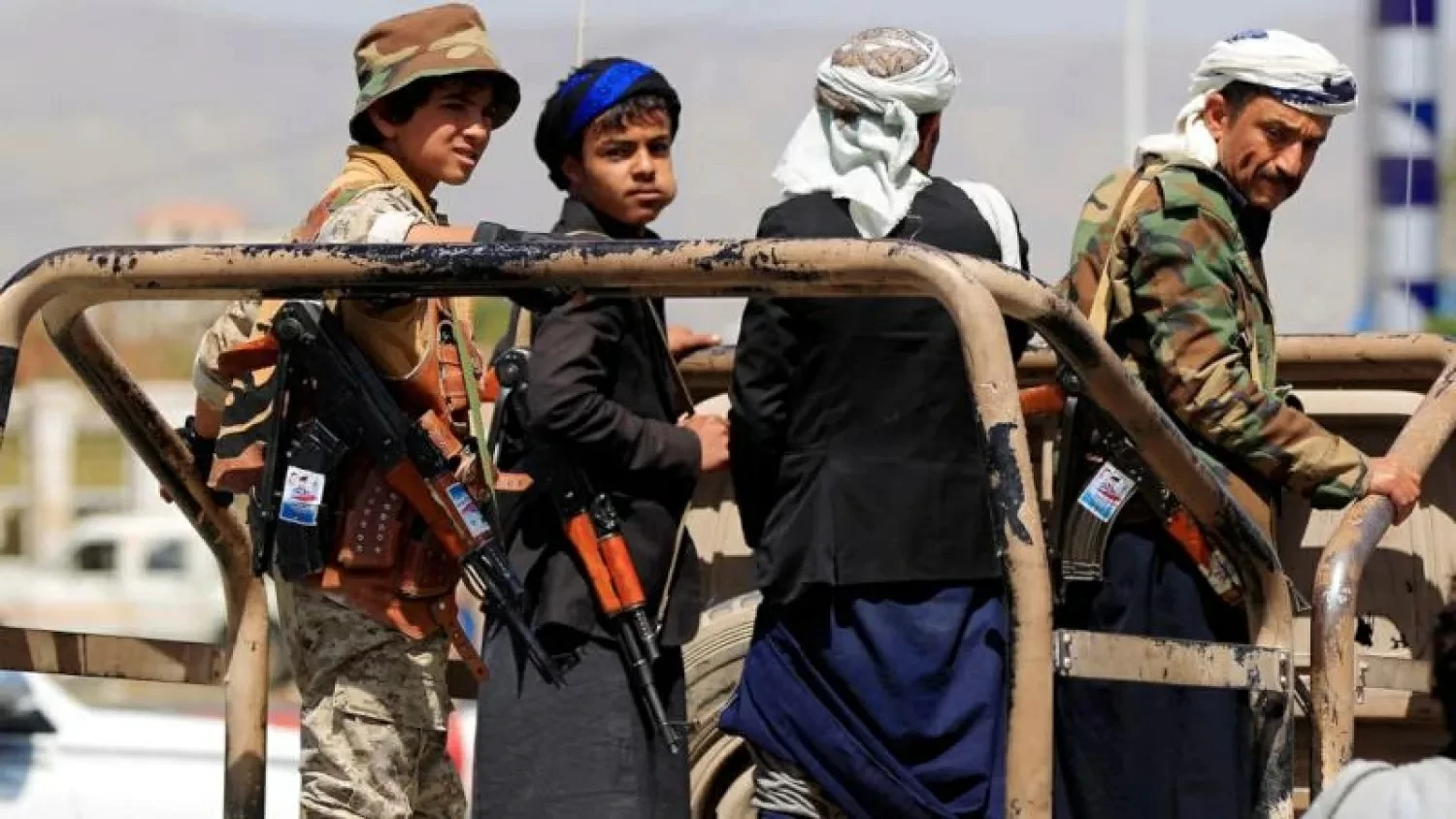
في تأكيد جديد على التورط الإيراني في أزمة اليمن، وبعد الهزائم الأخيرة التي منيت بها المليشيا الإرهابية،أفصحت مصادر يمنية وصول 75 خبيراً عسكرياً إيرانياً إلى مناطق سيطرة مليشيا الحوثي خلال شهري يونيو ويوليو الماضيين.
ونقل موقع "العربية نت "، اليوم الإثنين ، عن مصادر مقربة من الحكومة الشرعيةتأكيدها وصول هؤلاء الخبراء على دفعات إلى صنعاء في إطار تعزيز قدرات الحوثيين العسكرية والاستخبارية والعملياتية.
وكشفت مصادر استخباراتية يمنية، أن أحدث دفعة ضمت 25 عسكرياً إيرانياً، بينهم سفير طهران السابق لدى اليمن محمد جلال فيروزنيا.
وبحسب المصادر، وصلت هذه المجموعة إلى مطار الحديدة يوم 13 يوليو الماضي على متن طائرة «ماهان إير»، بعد أن أجبرتها القوات الحكومية اليمنية على عدم الهبوط في مطار صنعاء.
وأكدت المصادر أن قيادة الحرس الثوري الإيراني وزعت المهام على الخبراء الذين دخلوا إلى صنعاء، وشملت إدارة العمليات البحرية وتطوير منظومات الصواريخ والطائرات المسيرة، ورفع كفاءات مليشيات الحوثي لتجاوز أنظمة الرصد والتتبع الإقليمية والدولية، وإدارة عمليات البحر الأحمر ومضيق باب المندب.
وتتضمن مهام خبراء الحرس الثوري لدى الحوثيين أيضا التخطيط وتطوير عمل غرف القيادة والسيطرة، وتوظيف تقنيات أكثر تقدماً في التوجيه والتنسيق الاستخباراتي، ورفع كفاءة توجيه الصواريخ الباليستية وتكتيكات إطلاقها وتحسين أداء الطائرات المسيرة، والزوارق المسيرة، ونشر الألغام البحرية.
ومن بين المهام الأكثر خطورة في هذه المرحلة تطوير القدرات الاستخباراتية والتكتيكية لمساعدة الحوثيين على تضليل أنظمة التتبع وتجاوز الرقابة والرصد الجوي والاستخباري الإقليمي والدولي المفروض حالياً على الأجواء والموانئ اليمنية.
ومن المعروف أن إيران تزود الحوثيين بأسلحة متطورة صعبة التصنيع محلياً، تشمل الصواريخ البالستية، وطائرات مسيرة، وأنظمة دفاع جوي. وترسل قيادات من الحرس الثوري لتقديم التدريب الميداني على تشغيل الصواريخ والمسيرات، فضلا عن توفير معلومات استخباراتية بحرية لرصد السفن التجارية في البحر الأحمر، وتقديم دعم مالي ولوجستي مستمر.
In a new confirmation of Iranian involvement in the Yemen crisis, and following the recent defeats suffered by the terrorist militia, Yemeni sources revealed the arrival of 75 Iranian military experts to areas controlled by the Houthi militia during the months of June and July.
Today, Monday, the "Al-Arabiya Net" website reported, citing sources close to the legitimate government, that these experts arrived in batches to Sana'a as part of efforts to enhance the military, intelligence, and operational capabilities of the Houthis.
Intelligence sources in Yemen disclosed that the latest batch included 25 Iranian military personnel, among them the former Tehran ambassador to Yemen, Mohammad Jalal Firouznia.
According to the sources, this group arrived at Al-Hudaydah Airport on July 13 on board a "Mahan Air" flight, after being forced by Yemeni government forces to refrain from landing at Sana'a Airport.
The sources confirmed that the Iranian Revolutionary Guard Corps distributed tasks among the experts who entered Sana'a, which included managing naval operations, developing missile and drone systems, enhancing the capabilities of the Houthi militias to overcome regional and international monitoring and tracking systems, and managing operations in the Red Sea and the Bab el-Mandeb Strait.
The tasks of the Revolutionary Guard experts with the Houthis also include planning and developing the operations of command and control rooms, employing more advanced technologies in guidance and intelligence coordination, improving the efficiency of ballistic missile guidance and launch tactics, enhancing the performance of drones and unmanned boats, and deploying naval mines.
Among the most dangerous tasks at this stage is developing intelligence and tactical capabilities to assist the Houthis in misleading tracking systems and overcoming the current regional and international air and intelligence surveillance imposed on Yemeni airspace and ports.
It is known that Iran supplies the Houthis with advanced weapons that are difficult to manufacture locally, including ballistic missiles, drones, and air defense systems. Leaders from the Revolutionary Guard are sent to provide field training on operating missiles and drones, as well as to provide maritime intelligence to monitor commercial ships in the Red Sea, and to offer ongoing financial and logistical support.