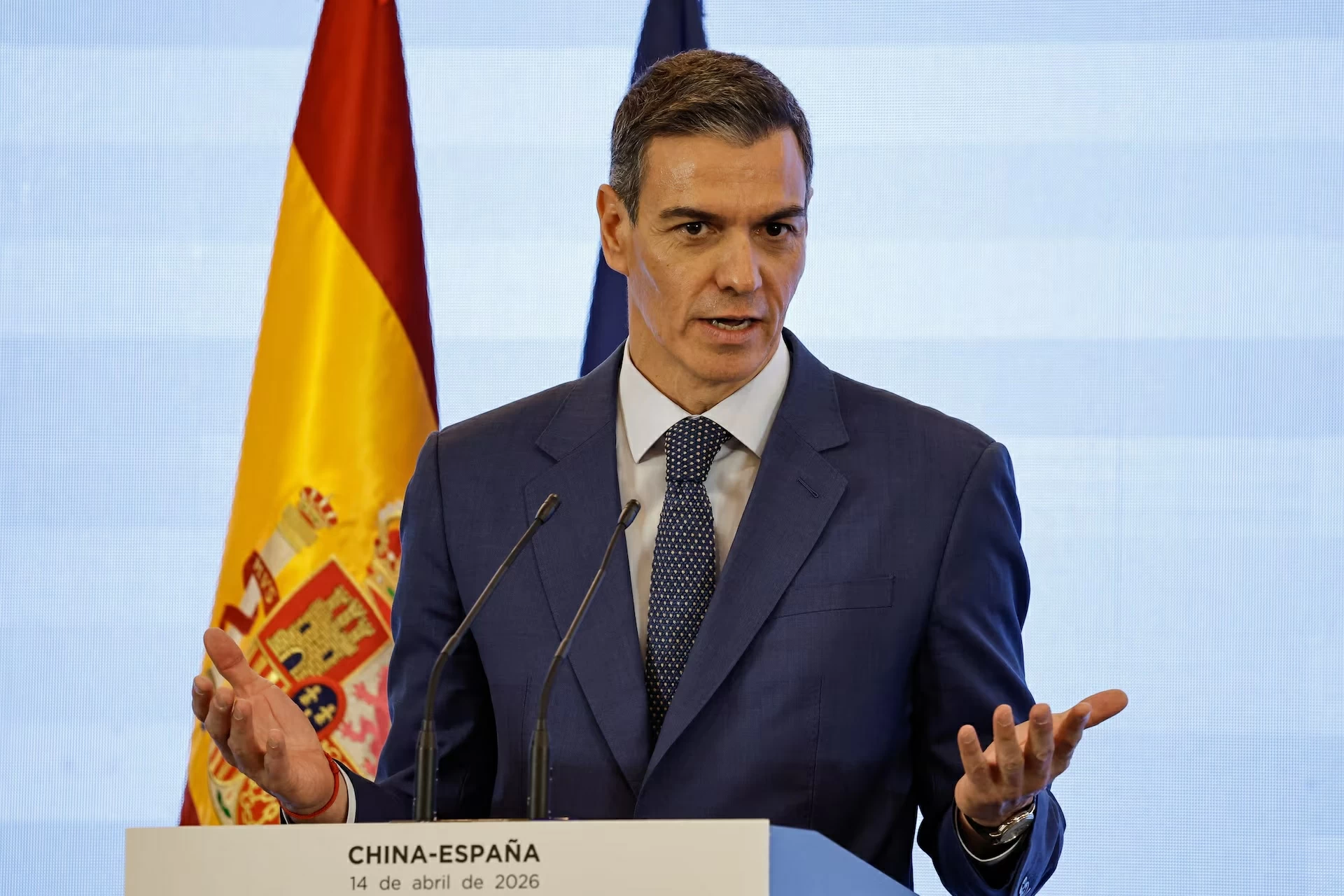
نفى رئيس الوزراء الإسباني أي مسؤولية للسلطات المغربية عن تدفق اللاجئين إلى سبتة، بعد وصول نحو 80 ألف مهاجر إلى المدينة الشهر الماضي.
وقال في مقابلة مع إذاعة «كادينا سير» نقلتها وسائل إعلام إسبانية، اليوم (الإثنين): إنه لا يملك أي معلومات من قوات وأجهزة أمن الدولة أو أجهزة الاستخبارات الإسبانية تشير إلى احتمال تورّط المغرب في موجة الوصول الجماعي للمهاجرين.
وأضاف أن التحقيقات بشأن خلفيات الأزمة لا تزال مستمرة، مشيراً إلى انتشار شائعات ومعلومات مضللة عبر وسائل التواصل الاجتماعي، عقب صدور حكم للمحكمة العليا الإسبانية يحظر عمليات الإعادة الفورية للمهاجرين الذين يصلون سباحة.
وأشار إلى أن منظمات إجرامية استفادت أيضاً من هذا السياق، إلى جانب تيارات يمينية متطرفة دولية، قال إنها تستغل ملف الهجرة لمهاجمة إسبانيا وأوروبا.
وفي وقت سابق من الشهر الجاري، تمكّنت السلطات المغربية من منع عشرات الأشخاص من التوجّه نحو مدينة سبتة المحتلة.
وتواصل السلطات المغربية عمليات الرصد والتتبع لأي تحركات مرتبطة بالدعوات المتداولة بالتوجّه نحو الحدود؛ بهدف الحيلولة دون وصول مجموعات من الأشخاص إلى المناطق الحدودية، في وقت تشهد فيه المنطقة تعزيزات أمنية؛ تحسباً لأي محاولة للعبور الجماعي.
ورغم أن معظم المهاجرين عادوا بعد ساعات من وصولهم إلى سبتة، فإن الآلاف ما زالوا موجودين في المكان، وتقدّر الحكومة عددهم بنحو 5 آلاف، فيما تشير تقديرات السلطات المحلية إلى 10 آلاف على الأقل في مدينة يسكنها نحو 80 ألف نسمة.
The Spanish Prime Minister denied any responsibility of the Moroccan authorities for the influx of refugees into Ceuta, following the arrival of around 80,000 migrants to the city last month.
In an interview with the "Cadena Ser" radio station, reported by Spanish media today (Monday), he stated that he has no information from the state security forces or Spanish intelligence agencies indicating any possible involvement of Morocco in the wave of mass arrivals of migrants.
He added that investigations into the background of the crisis are still ongoing, noting the spread of rumors and misleading information via social media, following a ruling by the Spanish Supreme Court that prohibits the immediate return of migrants who arrive by swimming.
He pointed out that criminal organizations have also benefited from this context, alongside international far-right movements, which he said exploit the immigration issue to attack Spain and Europe.
Earlier this month, Moroccan authorities managed to prevent dozens of people from heading towards the occupied city of Ceuta.
The Moroccan authorities continue to monitor and track any movements related to calls circulating to head towards the border, in order to prevent groups of people from reaching the border areas, at a time when the region is witnessing increased security measures in anticipation of any attempt at mass crossing.
Although most migrants returned after a few hours of arriving in Ceuta, thousands still remain in the area, with the government estimating their number at around 5,000, while local authorities estimate at least 10,000 in a city with a population of about 80,000.