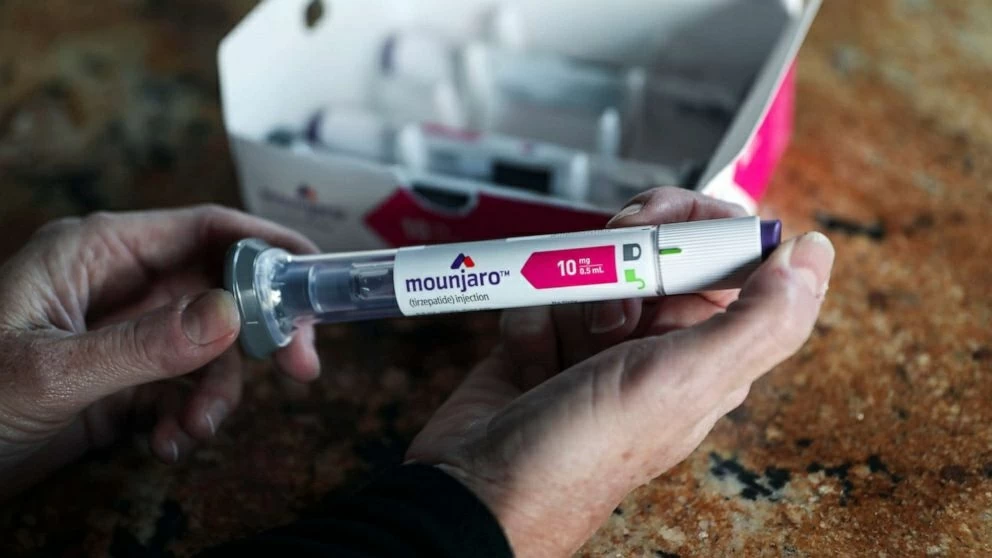
أجازت إدارة الغذاء والدواء الأمريكية استخدام دواء (مانجارو) لعلاج مرضى السكري من النوع الثاني؛ بهدف خفض خطر الإصابة بالأحداث القلبية الوعائية الكبرى، في خطوة تُعد الأولى من نوعها لدواء يجمع بين هرموني GLP‑1 وGIP المسؤولين عن تنظيم الشهية ومستويات السكر في الدم.
وتأتي هذه الموافقة في ظل ارتفاع معدلات أمراض القلب بين المصابين بالسكري، حيث تُعد السبب الأول للوفاة في هذه الفئة.
وتسعى شركات الأدوية؛ وعلى رأسها (إيلي ليلي)، إلى توسيع نطاق استخدام علاجات GLP‑1 لتشمل مجالات تتجاوز السكري والسمنة؛ مثل أمراض القلب والكلى والكبد واضطرابات النوم، مستندة إلى نتائج سريرية متراكمة تشير إلى فوائد واسعة لهذه الفئة من الأدوية.
وقال كينيث كاستر، نائب الرئيس التنفيذي ورئيس قسم صحة القلب والأيض في الشركة: إن اختبار (مانجارو) مقابل دواء آخر من فئة GLP‑1 يتمتع بفوائد قلبية مثبتة يعكس حجم الأدلة العلمية التي تعمل الشركة على تعزيزها في هذا المجال، مؤكدًا أن الجمع بين الهرمونين يمنح الدواء فعالية أعلى مقارنة بالعلاجات التقليدية.
وجاءت الموافقة بعد تجربة سريرية استمرت أربع سنوات ونصف، وشملت أكثر من 13 ألف مشارك من 30 دولة، أظهرت تفوق (مانجارو) على دواء (تروليسيتي) في تقليل خطر النوبات القلبية والسكتات الدماغية، إذ خفض خطر الأحداث القلبية الضارة الكبرى بنسبة إضافية بلغت 8%.
وقال الدكتور ديفيد داليسيو، مدير قسم الغدد الصماء والتمثيل الغذائي في كلية الطب بجامعة (ديوك): إن صحة القلب يجب أن تكون محور الاهتمام طوال فترة العلاج، مشيرًا إلى أن الموافقة الجديدة تمنح المرضى خيارًا علاجيًا يدعم القلب والتمثيل الغذائي في آن واحد.
ورغم أن (مانجارو) غير معتمد لإنقاص الوزن، فإنه يُستخدم خارج نطاق الترخيص لهذا الغرض، فيما تطرح (إيلي ليلي) نسخة مخصصة لعلاج السمنة تحت اسم (زيباوند)، في ظل الطلب المتزايد عالميًا على أدوية التحكم بالوزن.
The U.S. Food and Drug Administration has approved the use of the drug (Mounjaro) to treat patients with type 2 diabetes; aimed at reducing the risk of major cardiovascular events, in a move that is the first of its kind for a drug that combines the hormones GLP-1 and GIP responsible for regulating appetite and blood sugar levels.
This approval comes amid rising rates of heart disease among diabetes patients, which is the leading cause of death in this group.
Pharmaceutical companies, led by (Eli Lilly), are seeking to expand the use of GLP-1 treatments to include areas beyond diabetes and obesity; such as heart, kidney, liver diseases, and sleep disorders, based on accumulated clinical results indicating broad benefits of this class of drugs.
Kenneth Caster, Executive Vice President and Head of the Cardiovascular and Metabolic Health Division at the company, stated that testing (Mounjaro) against another GLP-1 drug with proven cardiac benefits reflects the volume of scientific evidence the company is working to bolster in this field, emphasizing that the combination of the two hormones provides the drug with higher efficacy compared to traditional treatments.
The approval came after a clinical trial lasting four and a half years, involving more than 13,000 participants from 30 countries, which showed that (Mounjaro) outperformed (Trulicity) in reducing the risk of heart attacks and strokes, as it reduced the risk of major adverse cardiovascular events by an additional 8%.
Dr. David D'Alessio, Director of the Endocrinology and Metabolism Division at Duke University School of Medicine, stated that heart health should be a focus throughout the treatment period, noting that the new approval provides patients with a therapeutic option that supports both heart and metabolic health simultaneously.
Although (Mounjaro) is not approved for weight loss, it is used off-label for this purpose, while (Eli Lilly) is launching a dedicated version for obesity treatment under the name (Zybound), amid growing global demand for weight management medications.