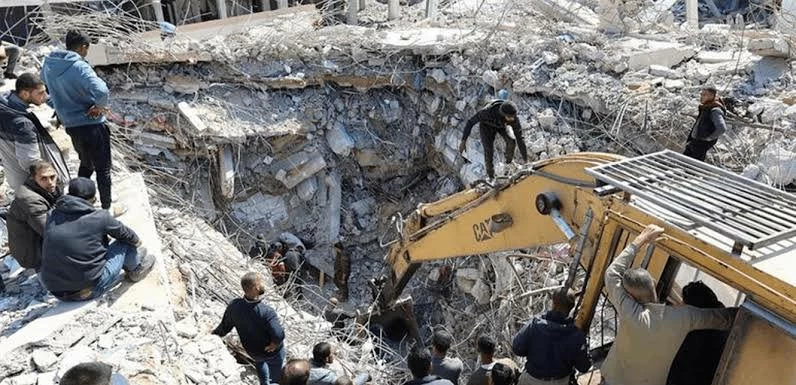
بمناسبة اليوم العالمي للمفقودين، نظمت شبكة المنظمات الأهلية الفلسطينية، اليوم (الأحد)، فعالية في غزة بمشاركة العشرات من عائلات الضحايا الذين اختفوا خلال العدوان الإسرائيلي على القطاع المنكوب، مطالبين بالكشف عن مصير أبنائهم المحتجزين أو المدفونين تحت الأنقاض.
وأكد المنسق العام لشبكة المنظمات الأهلية محمد صالحة أن ملف المفقودين ليس مجرد أرقام عابرة في نشرات الأخبار، بل أسماء وأحلام وحكايات عائلات تستحق الحقيقة والعدالة.
وأعلن أن الشبكة تضع هذا الملف في صدارة أولوياتها الوطنية والحقوقية، من خلال التنسيق المستمر مع مجلس الوزراء الفلسطيني ووزارة العدل والفريق الوطني لمتابعة المفقودين.
وأشار إلى توثيق أكثر من 11,200 مفقود مُسجّل، مؤكداً أن الأعداد الفعلية أكبر بكثير؛ نتيجة انهيار قواعد البيانات المركزية في القطاعين الصحي والمدني جراء الاستهداف الإسرائيلي المتواصل.
وطالب المجتمع الدولي بتحمل مسؤولياته، عبر إنشاء آلية مستقلة وشفافة للبحث عن المفقودين، وتوفير قاعدة بيانات وطنية موحدة، إضافة إلى دعم الطب الشرعي والمختبرات المتخصصة للتعرف على جثامين الشهداء.
وأكدت ممثلة حركة أمهات المفقودين نهى الأقرع أن الموت في غزة فاجعة تترك خلفها قبوراً معروفة، أما الاختفاء القسري فهو «موت مؤجل يتجدد كل صباح»، ودعت المؤسسات الدولية إلى الانتقال من مرحلة التعاطف إلى تحمل المسؤولية الفعلية.
وفي ختام الفعالية، أعلن المنظمون تشكيل فريق وطني مختص لمتابعة ملفات المفقودين في القطاع، مؤكدين أن «هذه الملفات لن تُغلق، ولن تجف الدموع حتى يعود آخر مفقود إلى تراب وطنه وحضن أمه».
ويُعدّ ملف المفقودين والمخفيين قسراً في قطاع غزة أحد أكثر القضايا الإنسانية تراكماً وتأثيراً في ظل استمرار الحرب الإسرائيلية؛ إذ تُقدر أعدادهم بالآلاف بين محتجزين ومجهولي المصير تحت الركام.
وتواجه فرق الدفاع المدني عوائق لوجستية ونقصاً شديداً في المعدات اللازمة لانتشال الضحايا، وسط مطالبات دولية ومحلية مستمرة بالكشف عن مصير المفقودين واسترداد الجثامين المحتجزة.
On the occasion of the International Day of the Disappeared, the Palestinian Network of Non-Governmental Organizations organized an event in Gaza today (Sunday), with the participation of dozens of families of victims who disappeared during the Israeli aggression on the besieged enclave, demanding to reveal the fate of their children who are either detained or buried under the rubble.
The General Coordinator of the Network, Mohamed Saleh, confirmed that the issue of the missing is not just a passing number in news bulletins, but rather names, dreams, and stories of families that deserve truth and justice.
He announced that the network places this issue at the forefront of its national and human rights priorities, through continuous coordination with the Palestinian Cabinet, the Ministry of Justice, and the national team for following up on the missing.
He pointed out that more than 11,200 missing persons have been documented, emphasizing that the actual numbers are much higher due to the collapse of central databases in the health and civil sectors as a result of ongoing Israeli targeting.
He called on the international community to assume its responsibilities by establishing an independent and transparent mechanism to search for the missing, providing a unified national database, in addition to supporting forensic medicine and specialized laboratories to identify the bodies of the martyrs.
The representative of the Mothers of the Missing Movement, Noha Al-Aqra, affirmed that death in Gaza is a tragedy that leaves behind known graves, while enforced disappearance is "a delayed death that renews every morning," calling on international institutions to move from sympathy to actual responsibility.
At the end of the event, the organizers announced the formation of a specialized national team to follow up on the files of the missing in the enclave, affirming that "these files will not be closed, and tears will not dry until the last missing person returns to the soil of their homeland and the embrace of their mother."
The issue of the missing and forcibly disappeared in the Gaza Strip is considered one of the most pressing humanitarian issues, especially amid the ongoing Israeli war; their numbers are estimated in the thousands among those detained and those whose fate remains unknown under the rubble.
Civil defense teams face logistical obstacles and a severe shortage of the necessary equipment to retrieve the victims, amid ongoing local and international calls to reveal the fate of the missing and recover the detained bodies.