أثار رفض بولندا استضافة رؤوس نووية على أراضيها خلافاً داخلياً حول موقعها في منظومة الردع النووي لحلف شمال الأطلسي (الناتو)، في وقت تتصاعد المخاوف الأوروبية من مواجهة محتملة مع روسيا التي حذّرت مصادر إعلامية من أنها قد تلجأ إلى استخدام الأسلحة النووية التكتيكية، وسط تزايد التساؤلات بشأن مستقبل الانتشار العسكري الأمريكي في القارة الأوروبية.
خلاف سياسي داخلي
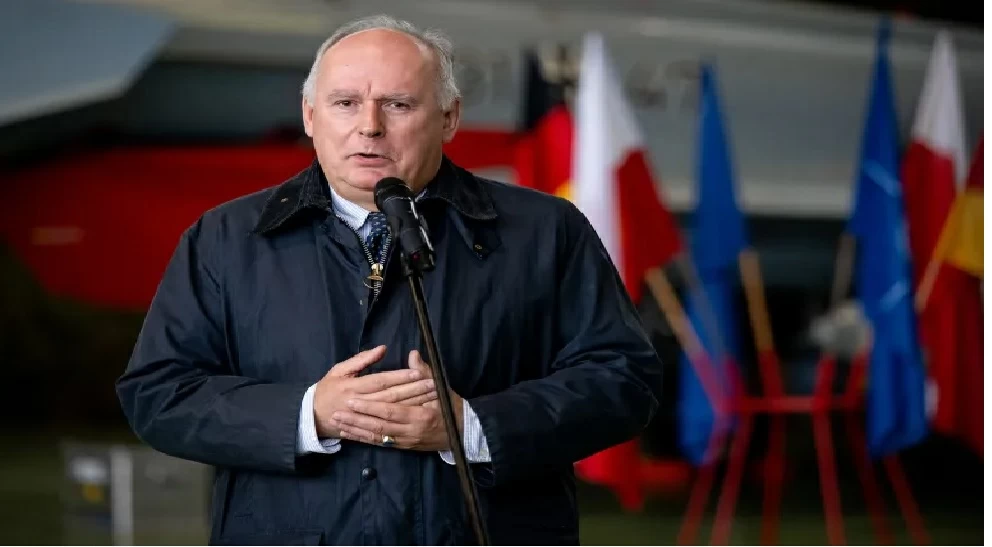
ونقلت صحيفة «نيوزويك» أنه بعد اجتماع مع وكيل وزارة الحرب الأمريكية لشؤون السياسة إلبريدج كولبي الخميس، سأل صحفيون باويل زاليفسكي، نائب وزير الدفاع البولندي، عما إذا كانت وارسو ستسعى إلى الانضمام إلى برنامج المشاركة النووية التابع للناتو، وما إذا كان ذلك قد يشمل نشر رؤوس نووية أمريكية على الأراضي البولندية.
ورد زاليفسكي بقوله: «لا. أود أن أقول هذا بوضوح وصراحة: بولندا لا تريد رؤوساً نووية على أراضيها»، في ظل تأكيد الحكومة البولندية رغبتها في الانضمام إلى المهمة النووية للناتو، ولكن دون استضافة الأسلحة نفسها على أراضي البلاد.
وأثار هذا التمييز خلافاً سياسياً داخلياً، إذ واجهت تصريحات زاليفسكي انتقادات من شخصيات موالية للرئيس البولندي كارول ناووركي، زعيم حزب القانون والعدالة اليميني.
انتشار الأسلحة النووية الأمريكية
وتُعرف تسع دول فقط في العالم بامتلاكها برامج أسلحة نووية خاصة بها، ثلاث منها أعضاء في حلف الناتو، هي الولايات المتحدة والمملكة المتحدة وفرنسا. لكن خمس دول أخرى أعضاء في الحلف تستضيف أسلحة نووية أمريكية على أراضيها بموجب برنامج المشاركة النووية، هي بلجيكا وألمانيا وإيطاليا وهولندا وتركيا.
ووُضع البرنامج في خمسينيات القرن الماضي لمواجهة التفوق العسكري التقليدي للاتحاد السوفياتي في أوروبا، تحسباً لتحول الحرب الباردة إلى مواجهة عسكرية شاملة.
ولا تشارك جميع دول الناتو غير النووية في هذا البرنامج، وهو ما يعكس الحساسية السياسية والعسكرية المحيطة به.
وشاركت كندا واليونان في البرنامج سابقاً ثم انسحبتا منه، وعارضت الدانمارك والنرويج صراحة نشر الأسلحة النووية على أراضيهما.
وتحظر شروط انضمام إسبانيا إلى حلف الناتو عام 1982 استضافة أسلحة نووية على أراضيها. أما فرنسا، التي تمتلك ترسانتها النووية الخاصة، فهي العضو الوحيد في الحلف الذي لا يشارك في مجموعة التخطيط النووي الأوسع نطاقاً التابعة للناتو.
لماذا بولندا الآن؟
أما بولندا، الواقعة في الجناح الشرقي للحلف في مواجهة روسيا، فقد برزت بصورة متزايدة بوصفها قوة عسكرية رئيسية في القارة منذ أن أصبحت، عام 1989، أول دولة تنفصل عن الكتلة الشرقية الشيوعية، قبل عامين من سقوط الاتحاد السوفياتي.
وتمتلك اليوم ثالث أكبر جيش في حلف الناتو، بعد الولايات المتحدة وتركيا، كما تخصص للدفاع أكبر نسبة من الناتج المحلي الإجمالي بين دول الناتو، وتبلغ 4.3%. وهي تشترك في حدود جغرافية مع أوكرانيا وجيب كالينينغراد الروسي وبيلاروسيا حليفة موسكو.
وقد يكون العام الحالي أكثر خطورة بالنسبة لبولندا، في ظل سعي الكرملين إلى زيادة الضغط على الناتو، بالتزامن مع تباطؤ التقدم الروسي في أوكرانيا والحملة المكلفة التي تشنها كييف بهجمات بعيدة المدى على البنية التحتية للغاز الروسي.
وتزايدت حدة التقارير التي تتحدث عن احتمال تخطيط موسكو لتصعيد الموقف، سواء عبر حشد جديد أو حتى تنفيذ عمليات عسكرية على أراضي دول حلف الناتو، لا سيما بعد زيارة مفاجئة أجراها رئيس وكالة الاستخبارات المركزية الأمريكية جون راتكليف لموسكو مطلع الأسبوع. ونقل موقع «بلومبيرغ» عن مصادر مقربة من الكرملين أن الرئيس فلاديمير بوتين قد يختار استخدام الأسلحة النووية التكتيكية لحسم الحرب.
وفي ظل هذه المخاوف، نقلت «نيوزويك» عن محللين قولهم إن نشر أسلحة نووية أمريكية على الأراضي البولندية قد يسهم في تعزيز الردع وإقناع روسيا بأن الولايات المتحدة وحلف الناتو يفكران جدياً في الرد بالأسلحة النووية على أي هجوم نووي على الجناح الشرقي للحلف.
وقد تبدو خطوة انضمام بولندا لبرنامج المشاركة النووية تهديداً مباشراً لروسيا التي ستقدم مثل تلك الخطوة دليلاً على تهديدات الناتو وأمريكا لها.
Poland's refusal to host nuclear warheads on its territory has sparked an internal controversy regarding its position in NATO's nuclear deterrence system, at a time when European fears of a potential confrontation with Russia are escalating. Media sources have warned that Russia may resort to using tactical nuclear weapons, amid increasing questions about the future of American military deployment on the European continent.
Internal Political Dispute
Newsweek reported that after a meeting with U.S. Under Secretary of Defense for Policy Elbridge Colby on Thursday, journalists asked Pawel Zalewski, Poland's Deputy Minister of Defense, whether Warsaw would seek to join NATO's nuclear sharing program, and whether that would include the deployment of American nuclear warheads on Polish territory.
Zalewski responded, saying: "No. I would like to make this clear and straightforward: Poland does not want nuclear warheads on its territory," while confirming the Polish government's desire to participate in NATO's nuclear mission, but without hosting the weapons themselves on Polish soil.
This distinction has sparked an internal political dispute, as Zalewski's statements faced criticism from figures loyal to Polish President Karol Nawrocki, leader of the right-wing Law and Justice Party.
Deployment of American Nuclear Weapons
Only nine countries in the world are known to possess their own nuclear weapons programs, three of which are NATO members: the United States, the United Kingdom, and France. However, five other NATO member countries host American nuclear weapons on their territories under the nuclear sharing program: Belgium, Germany, Italy, the Netherlands, and Turkey.
The program was established in the 1950s to counter the Soviet Union's conventional military superiority in Europe, in anticipation of a potential escalation of the Cold War into a full-scale military confrontation.
Not all non-nuclear NATO countries participate in this program, reflecting the political and military sensitivities surrounding it.
Canada and Greece participated in the program previously but withdrew, while Denmark and Norway have explicitly opposed the deployment of nuclear weapons on their territories.
Spain's accession to NATO in 1982 prohibits hosting nuclear weapons on its territory. France, which has its own nuclear arsenal, is the only member of the alliance that does not participate in NATO's broader nuclear planning group.
Why Poland Now?
Poland, located on the eastern flank of the alliance facing Russia, has increasingly emerged as a major military power on the continent since it became, in 1989, the first country to break away from the communist Eastern bloc, two years before the fall of the Soviet Union.
Today, it possesses the third-largest army in NATO, after the United States and Turkey, and allocates the highest percentage of its GDP to defense among NATO countries, at 4.3%. It shares geographical borders with Ukraine, the Russian exclave of Kaliningrad, and Belarus, a Moscow ally.
This year may be particularly dangerous for Poland, as the Kremlin seeks to increase pressure on NATO, coinciding with the slowdown of Russian advances in Ukraine and the costly campaign launched by Kyiv with long-range attacks on Russian gas infrastructure.
The intensity of reports suggesting that Moscow may be planning to escalate the situation has increased, whether through a new mobilization or even conducting military operations on NATO member territories, especially following a surprise visit by U.S. Central Intelligence Agency Director John Ratcliffe to Moscow earlier this week. Bloomberg reported that sources close to the Kremlin indicated that President Vladimir Putin may choose to use tactical nuclear weapons to resolve the conflict.
In light of these concerns, Newsweek quoted analysts as saying that the deployment of American nuclear weapons on Polish territory could help enhance deterrence and convince Russia that the United States and NATO are seriously considering a nuclear response to any nuclear attack on the alliance's eastern flank.
Poland's potential step to join the nuclear sharing program may appear as a direct threat to Russia, which would view such a move as evidence of NATO and America's threats against it.