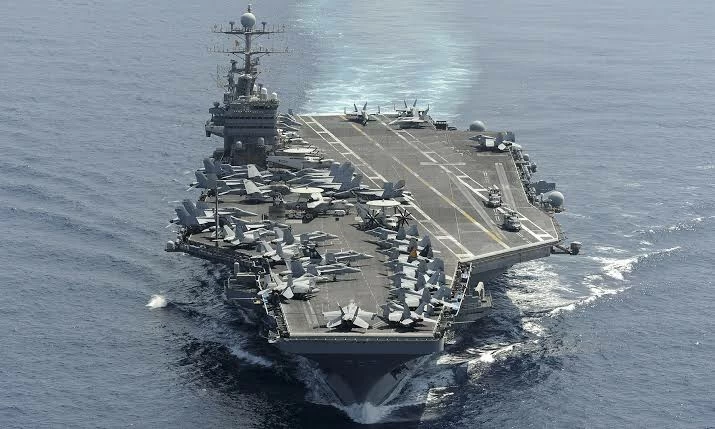
اعترفت وزارة الداخلية الإيرانية أن الحصار البحري الأمريكي يؤثر على البلاد، إلا أنه لن يقتصر على الاقتصاد الإيراني فقط، مؤكدةً أن طهران «لن تقف مكتوفة الأيدي» وستتخذ «رد فعل قوياً»، بحسب قوله.
وقال المتحدث باسم الوزارة علي زيني وند: «من الطبيعي أن يؤثر هذا الحصار بالتأكيد على إيران، لكن الأمر ليس على نحو يلحق الضرر بالاقتصاد الإيراني وحده».
وأضاف: «نحن لسنا مكتوفي الأيدي، وسنتخذ بالتأكيد سلوكاً ورد فعل قويين. وإذا كانت الولايات المتحدة تعتقد أنها تستطيع تحقيق شيء من خلال إغلاق البحر لعدة أشهر أو سنة، فهي مخطئة».
وزعم متحدث الداخلية أن فرض حصار كامل على إيران غير ممكن، مستنداً إلى موقع البلاد الجغرافي واتساع حدودها وتعدد طرق التجارة والنقل.
وقال: «إن دولة لديها 15 دولة مجاورة، وكل هذه الحدود المشتركة، وبحر قزوين، وتستفيد من عشرات ومئات الأسواق الحدودية، وتمتلك طرقاً مختلفة للنقل الجوي، لا يمكن فرض حصار مطلق عليها».
وادعى أن قدرة الإيرانيين على الصمود ستكون أكبر من تداعيات الحصار، قائلاً: «بالتأكيد ستكون قدرة شعبنا على الصمود أكبر من ذلك، وسنتجاوز حتماً هذا التهديد المتكرر».
وتتزامن تلك التصريحات مع استمرار الحصار الأمريكي المفروض على الموانئ الإيرانية الجنوبية، إذ أعلنت القيادة المركزية الأمريكية بدء تنفيذ الحصار في 13 أبريل 2026، قبل أن يتوقف في 18 يونيو، ثم أعلنت واشنطن استئنافه اعتباراً من 14 يوليو.
وقالت القيادة المركزية إن قواتها أعادت توجيه أكثر من 140 سفينة خلال المرحلة الأولى من الحصار، وعطلت تسع سفن قالت إنها لم تلتزم بالحصار، فيما سمحت لأكثر من 50 سفينة تجارية مرتبطة بالمساعدات الإنسانية بالمرور.
وفي موازاة الضغط العسكري والبحري، صعّدت واشنطن ضغوطها الاقتصادية على إيران، وفي 24 أغسطس 2026 أعلن وزير الخزانة الأمريكي سكوت بيسنت إطلاق حملة أطلق عليها اسم «النبذ الاقتصادي» (Operation Economic Outcast)، بهدف قطع شرايين إيران المالية والاقتصادية حول العالم.
وحذّر الدول التي تواصل التعامل مع إيران من أنها قد تواجه عقوبات أمريكية ثانوية، داعياً إياها إلى قطع علاقاتها المالية والتجارية مع طهران. وقال إن الولايات المتحدة أبلغت الدول المعنية بأن استمرار تعاملها مع إيران قد يجعلها عرضة لإجراءات الخزانة الأمريكية.
وتأتي هذه الإجراءات في إطار إستراتيجية أمريكية تستهدف تضييق قدرة إيران على تصدير النفط والحصول على العملات الأجنبية والوصول إلى النظام المالي العالمي، بالتزامن مع الحصار البحري، ما يضع الاقتصاد الإيراني أمام ضغوط متزايدة ويجعل قدرة طهران على الحفاظ على قنواتها التجارية الخارجية أحد أبرز محاور المواجهة الحالية.
The Iranian Ministry of Interior has acknowledged that the American maritime blockade is affecting the country, but it will not be limited to the Iranian economy alone, asserting that Tehran "will not stand idly by" and will take "strong action," according to its statement.
Ministry spokesman Ali Zini Vand said: "It is natural that this blockade will certainly affect Iran, but it is not to the extent that it harms the Iranian economy alone."
He added: "We are not standing idly by, and we will certainly take strong behavior and response. If the United States thinks it can achieve something by closing the sea for several months or a year, it is mistaken."
The Interior spokesman claimed that imposing a complete blockade on Iran is impossible, citing the country's geographical location, the vastness of its borders, and the multiple trade and transportation routes.
He said: "A country that has 15 neighboring countries, all these shared borders, the Caspian Sea, benefits from dozens and hundreds of border markets, and has various air transport routes cannot be subjected to an absolute blockade."
He asserted that the resilience of Iranians will be greater than the consequences of the blockade, stating: "Certainly, our people's ability to endure will be greater than that, and we will undoubtedly overcome this recurring threat."
These statements coincide with the ongoing American blockade imposed on Iranian southern ports, as the U.S. Central Command announced the start of the blockade on April 13, 2026, before it was halted on June 18, and then Washington announced its resumption starting July 14.
The Central Command stated that its forces redirected more than 140 ships during the first phase of the blockade and disrupted nine ships that it claimed did not comply with the blockade, while allowing more than 50 commercial vessels linked to humanitarian aid to pass.
In parallel with military and maritime pressure, Washington has intensified its economic pressures on Iran. On August 24, 2026, U.S. Treasury Secretary Scott Pisent announced the launch of a campaign called "Operation Economic Outcast," aimed at cutting Iran's financial and economic lifelines around the world.
He warned countries that continue to deal with Iran that they may face secondary U.S. sanctions, urging them to cut their financial and commercial ties with Tehran. He stated that the United States has informed the concerned countries that continuing to engage with Iran could expose them to U.S. Treasury actions.
These measures are part of an American strategy aimed at narrowing Iran's ability to export oil, obtain foreign currency, and access the global financial system, coinciding with the maritime blockade, which places the Iranian economy under increasing pressure and makes Tehran's ability to maintain its external trade channels one of the main focal points of the current confrontation.