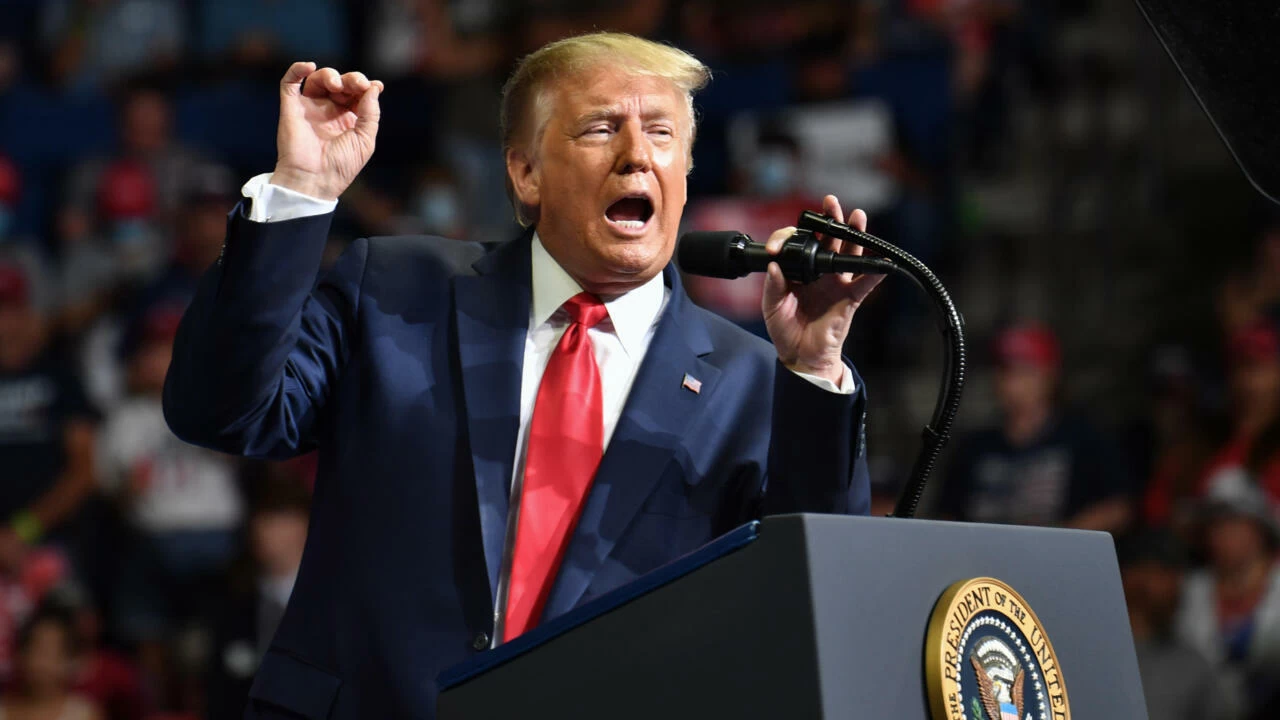
صعّد رئيس حكومة أونتاريو الكندية دوغ فورد هجومه على الرئيس الأمريكي دونالد ترمب، واصفاً إياه بـ«المتنمر» و«الديكتاتور» و«ملك الإفلاسات»، في ظل تصاعد الحرب التجارية بين الولايات المتحدة وكندا، وتحول رئيس حكومة المقاطعة إلى أحد أبرز الأصوات المنتقدة لسياسات واشنطن.
وقال فورد إنه لن يتلقى نصائح من ترمب، معتبراً أن السياسات التجارية الأمريكية تضر بالبلدين، وذلك بعد سجال علني بين الجانبين على خلفية تهديدات واشنطن برفع الرسوم الجمركية على السيارات والصلب الكندي إلى 50%.
ترمب يرد
ولم يتأخر ترمب في الرد، إذ هاجم فورد عبر منصته «تروث سوشيال»، ووصفه بأنه «تابع»، كما انتقد رئيس الوزراء الكندي مارك كارني، داعياً القيادة الكندية إلى الاستجابة للضغوط الأمريكية.
وامتد التصعيد إلى ملفات الطاقة والمعادن، إذ لوّح فورد باستخدام صادرات أونتاريو من الكهرباء والمعادن الحيوية كورقة ضغط على الولايات المتحدة، مشيراً إلى أن المقاطعة تزود نحو 1.5 مليون منزل وشركة في الولايات المتحدة بالكهرباء.
وسبق لأونتاريو استخدام الكهرباء في المواجهة التجارية خلال 2025، عندما فرضت رسماً إضافياً بنسبة 25% على صادرات الكهرباء إلى ولايات أمريكية.
ثقل اقتصادي
وتكتسب مواقف فورد أهمية خاصة من الوزن الاقتصادي لأونتاريو، أكبر مقاطعات كندا من حيث عدد السكان، إذ يقطنها نحو 16.3 مليون نسمة، يمثلون قرابة 39% من سكان البلاد، فيما تسهم المقاطعة بنحو 38.4% من الناتج المحلي الإجمالي الكندي.
وتستحوذ الولايات المتحدة على نحو 71.7% من صادرات أونتاريو الدولية، ما يجعل أي تصعيد تجاري بين البلدين ذا تأثير مباشر على اقتصاد المقاطعة.
وتُعد أونتاريو مركز الصناعة الكندية، خصوصاً في قطاعات السيارات والصناعات التحويلية، كما ترتبط مصانعها بسلاسل إمداد متشابكة مع نظيراتها الأمريكية عبر الحدود، ما يزيد من تداعيات الرسوم الجمركية على الجانبين.
حرب الرسوم تتسع
ويأتي التصعيد بعدما فرضت واشنطن رسوماً جمركية بنسبة 50% على مجموعة من السلع الكندية، فيما أعلنت أوتاوا إجراءات انتقامية على واردات أمريكية.
كما هدّد ترمب برفع الرسوم على السيارات والصلب الكندي إلى 50% اعتباراً من يناير 2027، في ظل استمرار الخلافات حول شروط التجارة وعدد من الملفات المرتبطة بالعلاقات الاقتصادية بين البلدين.
ورغم لهجته الصدامية، دعا فورد لاحقاً إلى تهدئة الخطاب والعودة إلى طاولة المفاوضات، مؤكداً أن الهدف هو التوصل إلى اتفاق يخدم الطرفين، وأن الحرب التجارية تضر بالمستهلكين والشركات في الولايات المتحدة وكندا.
لكنه أكد في الوقت نفسه عدم ندمه على تصريحاته بحق ترمب.
«بحيرة أمريكا» تشعل الخلاف
وتزامن السجال التجاري مع تصعيد رمزي جديد، بعدما وقّع ترمب في 27 أغسطس أمراً تنفيذياً باستخدام اسم «بحيرة أمريكا» بدلاً من «بحيرة أونتاريو» في الاستخدام الفيدرالي الأمريكي.
ورفضت كندا الخطوة، وأكد كارني أن البحيرة ستظل معروفة باسمها التاريخي، فيما رد فورد برفع لافتة ضخمة تحمل عبارة: «بحيرة أونتاريو.. الآن ودائماً»، في مشهد عكس اتساع الخلاف السياسي بين البلدين إلى ما يتجاوز الملفات التجارية.
Ontario's Premier Doug Ford has intensified his attack on U.S. President Donald Trump, describing him as a "bully," "dictator," and "king of bankruptcies," amid escalating trade tensions between the United States and Canada, with the provincial leader becoming one of the most prominent voices criticizing Washington's policies.
Ford stated that he would not take advice from Trump, considering that U.S. trade policies harm both countries, following a public spat between the two sides over Washington's threats to raise tariffs on Canadian cars and steel to 50%.
Trump Responds
Trump did not delay in responding, attacking Ford via his platform "Truth Social," labeling him as a "follower," and criticizing Canadian Prime Minister Mark Carney, urging Canadian leadership to respond to U.S. pressures.
The escalation extended to energy and minerals, as Ford hinted at using Ontario's exports of electricity and critical minerals as leverage against the United States, noting that the province supplies electricity to about 1.5 million homes and businesses in the U.S.
Ontario had previously used electricity in the trade confrontation in 2025 when it imposed an additional 25% tariff on electricity exports to U.S. states.
Economic Weight
Ford's positions gain special significance from the economic weight of Ontario, the largest province in Canada by population, with about 16.3 million residents, representing nearly 39% of the country's population, while the province contributes about 38.4% of Canada's GDP.
The United States accounts for approximately 71.7% of Ontario's international exports, making any trade escalation between the two countries have a direct impact on the province's economy.
Ontario is considered the center of Canadian industry, particularly in the automotive and manufacturing sectors, with its factories linked to supply chains intertwined with their American counterparts across the border, increasing the repercussions of tariffs on both sides.
Tariff War Expands
The escalation comes after Washington imposed a 50% tariff on a range of Canadian goods, while Ottawa announced retaliatory measures on American imports.
Trump also threatened to raise tariffs on Canadian cars and steel to 50% starting January 2027, amid ongoing disputes over trade terms and several issues related to economic relations between the two countries.
Despite his confrontational tone, Ford later called for calming the rhetoric and returning to the negotiating table, emphasizing that the goal is to reach an agreement that serves both parties, and that the trade war harms consumers and businesses in both the United States and Canada.
However, he affirmed at the same time that he does not regret his statements regarding Trump.
"Lake America" Sparks Dispute
The trade spat coincided with a new symbolic escalation, as Trump signed an executive order on August 27 using the name "Lake America" instead of "Lake Ontario" in U.S. federal usage.
Canada rejected the move, with Carney asserting that the lake will remain known by its historical name, while Ford responded by raising a massive sign reading: "Lake Ontario... now and forever," in a scene that reflected the widening political rift between the two countries beyond trade issues.