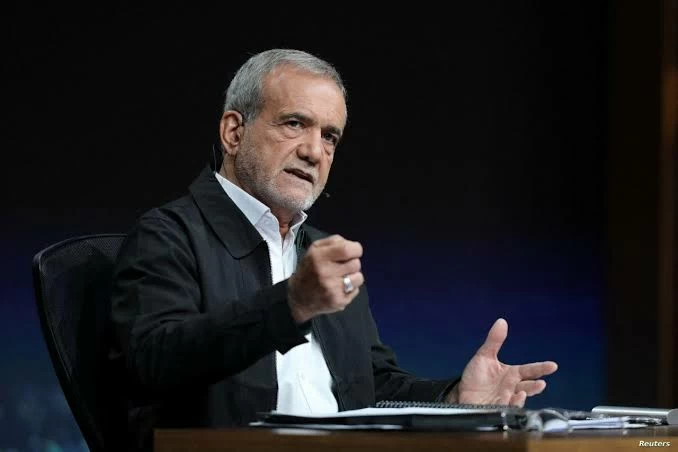
فيما تضرب أزمة الطاقة إيران، أكد الرئيس مسعود بزشكيان أن أولوية الحكومة الحفاظ على الإنتاج واستمرار عمل الصناعات، ودعا إلى ضرورة إدارة استهلاك المياه والكهرباء والغاز والوقود بما يضمن استمرار النشاط الصناعي.
وقال: «إذا لزم الأمر، اقطعوا الكهرباء عن الحكومة، لا عن الصناعات».
وخلال مراسم افتتاح مشروع مجمع جسور وأنفاق في مدينة أصفهان عبر تقنية الاتصال المرئي، قال بزشكيان إن الحكومة ستعمل على إدارة استهلاك الطاقة خلال فصل الشتاء ولن تسمح بتوقف الإنتاج.
وأضاف: «إذا لزم الأمر، فاقطعوا الكهرباء عن الحكومة، لكن لا تقطعوا الكهرباء عن الصناعات»، مؤكدًا أن إدارة استهلاك الطاقة يجب أن تبدأ من الحكومة والأجهزة والمؤسسات الحكومية.
وأعلن رئيس إيران أن الحكومة تعتزم اتخاذ عدد من الإجراءات للحد من اختلال توازن الطاقة خلال الشتاء، من بينها دمج بعض الأنشطة، وتوسيع نطاق العمل عن بُعد، وتنظيم استخدام بعض المباني والمكاتب الحكومية بهدف توجيه الطاقة التي يتم توفيرها إلى قطاعات الإنتاج والصناعة، إلى حين تجاوز ذروة الاستهلاك.
وشدد على أن الحكومة ستعمل على إدارة استهلاك المياه والكهرباء والغاز والوقود مع الحفاظ على استمرارية الإنتاج، معتبرًا أن الوحدة والتماسك يمثلان عنصرين أساسيين في مواجهة التحديات التي تواجه البلاد.
تأتي تصريحات بزشكيان في وقت تواجه فيه إيران ضغوطًا متزايدة على قطاع الطاقة في ظل العقوبات الأمريكية المشددة والقيود المفروضة على تجارتها الخارجية، التي تحد من قدرتها على جذب الاستثمارات والوصول إلى بعض التقنيات والمعدات اللازمة لتطوير البنية التحتية للطاقة.
وأدى تراجع الإيرادات والقيود على واردات الوقود إلى زيادة الضغوط على الاقتصاد الإيراني، بالتزامن مع مشكلات داخلية تتعلق بارتفاع الاستهلاك وتقادم جزء من شبكات ومحطات الطاقة.
وملأت طوابير من السيارات محطات الوقود في إيران خلال الأيام الماضية، بعدما أعلنت الحكومة خطة تقنين خفضت بموجبها الحصص المعمول بها منذ سنوات.
وتعد أسعار الوقود في إيران، وهي من كبار منتجي النفط في العالم، من بين الأدنى عالميًا.
وكانت إيران أغلقت عمليًا منذ اندلاع الحرب مع أولى الضربات الأمريكية الإسرائيلية عليها أواخر فبراير مضيق هرمز الذي يمرّ منه عادة خُمس الإنتاج العالمي من النفط والغاز المسال. وفرضت الولايات المتحدة حصاراً على الموانئ الإيرانية.
As the energy crisis hits Iran, President Masoud Bezhaskian emphasized that the government's priority is to maintain production and ensure the operation of industries, and he called for the necessity of managing the consumption of water, electricity, gas, and fuel in a way that guarantees the continuation of industrial activity.
He said: "If necessary, cut off electricity to the government, not to the industries."
During the inauguration ceremony of the Bridges and Tunnels Complex project in Isfahan via video conferencing, Bezhaskian stated that the government will work on managing energy consumption during the winter and will not allow production to stop.
He added: "If necessary, cut off electricity to the government, but do not cut off electricity to the industries," stressing that energy consumption management should start from the government and governmental agencies and institutions.
The President of Iran announced that the government intends to take several measures to reduce energy imbalance during the winter, including merging some activities, expanding remote work, and organizing the use of some government buildings and offices to direct the energy saved to production and industrial sectors until the peak consumption period is surpassed.
He emphasized that the government will work on managing the consumption of water, electricity, gas, and fuel while maintaining production continuity, considering that unity and cohesion are essential elements in facing the challenges facing the country.
Bezhaskian's statements come at a time when Iran is facing increasing pressures on the energy sector amid intensified U.S. sanctions and restrictions on its foreign trade, which limit its ability to attract investments and access some technologies and equipment necessary for developing energy infrastructure.
The decline in revenues and restrictions on fuel imports have increased pressures on the Iranian economy, coinciding with internal issues related to rising consumption and the aging of part of the energy networks and power plants.
Lines of cars filled fuel stations in Iran in recent days after the government announced a rationing plan that reduced the quotas that had been in place for years.
Fuel prices in Iran, one of the largest oil producers in the world, are among the lowest globally.
Iran has effectively closed the Strait of Hormuz since the outbreak of the war with the first U.S.-Israeli strikes against it in late February, through which one-fifth of the world's oil and liquefied gas production usually passes. The United States has imposed a blockade on Iranian ports.