نفى المتحدث باسم الحرس الثوري الإيراني حسين محبي تصريحات الرئيس الأمريكي دونالد ترمب بشأن وجود قنوات اتصال غير رسمية بين الحرس الثوري والولايات المتحدة.
ونقلت وكالة «تسنيم» للأنباء عن محبي قوله، اليوم (الإثنين): «لا توجد مفاوضات جارية حالياً بين ممثلي الحرس الثوري الإيراني والأمريكيين. هذه كذبة».
وكان الرئيس الأمريكي دونالد ترمب كشف أن واشنطن تُبقي على اتصال مع قيادة الحرس الثوري الإيراني عبر قنوات غير رسمية.
وأكد ترمب أنه ليس مستعجلاً بشأن إيران، مشيراً إلى «قنوات خلفية للتواصل مع الحرس الثوري الإيراني». وأضاف: «نتحدث مباشرة مع مسؤولي الحرس الثوري الإيراني في إيران».
وقال في تصريح لـ«فوكس نيوز»، اليوم: «على إيران أن ترفع راية الاستسلام»، مؤكداً أن الحصار البحري الأمريكي يستمر في ممارسة ضغوط اقتصادية جديدة على النظام الإيراني. وأضاف: «إنهم بارعون في لعبة البوكر.. لكنهم يحتضرون».
وكان موقع «أكسيوس» الإخباري الأمريكي نقل عن مصادر مطلعة قولها إن إدارة الرئيس الأمريكي لجأت في منتصف مايو إلى قناة اتصال سرية مع قيادة الحرس الثوري الإيراني، بعدما بدأت تشكك في قدرة المفاوضين الإيرانيين الرسميين على اتخاذ قرارات ملزمة بشأن إنهاء الحرب.
وبحسب ثلاثة مصادر على اطلاع مباشر على المحادثات، اختارت الإدارة الأمريكية رئيس إقليم كردستان العراق نيجيرفان بارزاني للاضطلاع بدور الوسيط السري، نظراً لتمتعه بعلاقات وثيقة وثقة لدى مسؤولين أمريكيين وإيرانيين، بما في ذلك شخصيات بارزة في الحرس الثوري.
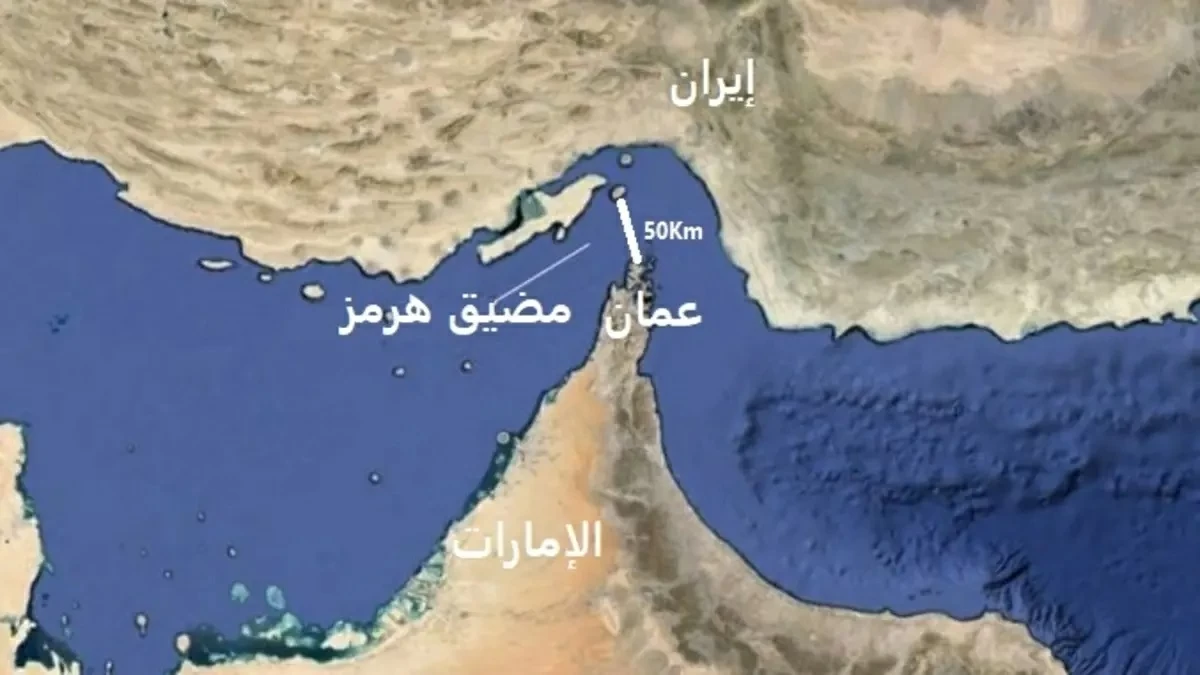
ونقلت وكالة «رويترز»، (الإثنين)، عن مسؤول إيراني كبير قوله إن بلاده ستصعد التوتر في مضيق هرمز والمنطقة ككل في حال فشل المساعي الدبلوماسية مع الولايات المتحدة، مشيراً إلى تحول في السياسة الإيرانية نحو الاعتماد على الهجوم بدلاً من الدفاع.
وأضاف المسؤول أن بلاده لن تنتظر أن تواصل أمريكا الحصار البحري إلى أجل غير مسمى، لافتاً إلى أن طهران حددت مهلة بضعة أسابيع لتنفذ أمريكا مذكرة التفاهم بالكامل.
وأفاد بأنه سيتم إبلاغ أمريكا ودول المنطقة بالإطار الزمني الذي حددته إيران عبر الوسطاء، وفق قوله.
The spokesperson for the Iranian Revolutionary Guard, Hossein Mohammadi, denied U.S. President Donald Trump's statements regarding the existence of unofficial communication channels between the Revolutionary Guard and the United States.
Mohammadi was quoted by the "Tasnim" news agency as saying today (Monday): "There are currently no negotiations ongoing between representatives of the Iranian Revolutionary Guard and the Americans. This is a lie."
U.S. President Donald Trump revealed that Washington maintains contact with the leadership of the Iranian Revolutionary Guard through unofficial channels.
Trump confirmed that he is not in a hurry regarding Iran, pointing to "back channels for communication with the Iranian Revolutionary Guard." He added: "We are speaking directly with officials of the Iranian Revolutionary Guard in Iran."
In a statement to "Fox News" today, he said: "Iran must raise the white flag," emphasizing that the U.S. maritime blockade continues to exert new economic pressures on the Iranian regime. He added: "They are skilled at the poker game... but they are dying."
The American news site "Axios" reported that sources familiar with the matter said that the Trump administration resorted in mid-May to a secret communication channel with the leadership of the Iranian Revolutionary Guard, after beginning to doubt the ability of official Iranian negotiators to make binding decisions regarding ending the war.
According to three sources directly familiar with the talks, the U.S. administration chose the President of the Kurdistan Region of Iraq, Nechirvan Barzani, to act as a secret mediator, due to his close relationships and trust with American and Iranian officials, including prominent figures in the Revolutionary Guard.
Reuters reported on Monday that a senior Iranian official stated that his country would escalate tensions in the Strait of Hormuz and the region as a whole if diplomatic efforts with the United States fail, indicating a shift in Iranian policy towards relying on offense rather than defense.
The official added that his country would not wait for the U.S. to continue the maritime blockade indefinitely, noting that Tehran has set a deadline of a few weeks for the U.S. to fully implement the memorandum of understanding.
He stated that the U.S. and regional countries would be informed of the timeline set by Iran through intermediaries, according to his remarks.