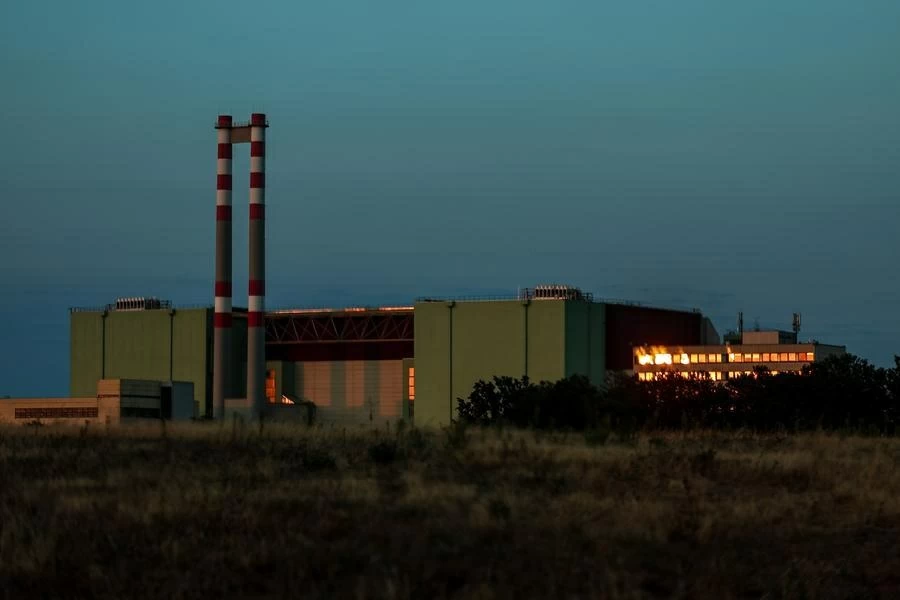
في إجراء غير معتاد يعكس تداعيات موجة الحر والجفاف التي تضرب أوروبا، بدأت المجر إغراق بارجتين بطول 80 مترًا في نهر الدانوب قرب محطة (باكس) النووية، في محاولة لرفع منسوب المياه وضمان استمرار تدفق مياه التبريد اللازمة لتشغيل المحطة.
وأعلنت السلطات المجرية تنفيذ العملية بعدما وصل منسوب الدانوب إلى مستويات قياسية من الانخفاض، ما أثر بالفعل على إنتاج محطة باكس، الوحيدة للطاقة النووية في البلاد، التي تبلغ قدرتها الإجمالية نحو 2000 ميجاوات وتوفر أكثر من ثلث احتياجات المجر من الكهرباء.
وقال رئيس الوزراء المجري بيتر ماجيار إن منسوب المياه بالقرب من المحطة كان أقل بنحو 122 سنتيمترًا من المستوى المعتاد، مع توقعات بمزيد من الانخفاض، ما هدد بإخراج أحد التوربينات المتبقية من الخدمة. وبدأت عملية إغراق البارجتين صباح السبت، فيما ارتفع منسوب المياه قرب المحطة بنحو سنتيمتر واحد في المرحلة الأولى.
ولا يمثل إغراق البارجتين سوى حل مؤقت؛ إذ تعمل السلطات المجرية بالتوازي على مشروع أكثر اتساعًا يتمثل في إنشاء حاجز مغمور في قاع النهر باستخدام نحو 150 ألف متر مكعب من الصخور؛ بهدف إبطاء تدفق المياه ورفع منسوبها أمام مآخذ مياه التبريد، مع توقعات بأن يرفع الحاجز مستوى المياه بما يصل إلى نحو متر في بعض الظروف.
وتكشف الأزمة عن نقطة ضعف مهمة في بعض محطات الطاقة النووية الأوروبية، إذ تعتمد المحطات المبردة بالمياه على الأنهار أو البحار لتصريف الحرارة الناتجة عن عمليات توليد الكهرباء. وعندما تتزامن موجات الحر مع الجفاف وانخفاض مناسيب الأنهار، تصبح كمية مياه التبريد المتاحة ودرجة حرارتها عاملين مؤثرين في قدرة المحطات على مواصلة التشغيل.
وتبدو خطورة الظاهرة أوضح في رومانيا المجاورة، حيث اضطرت محطة «تشيرنافودا» النووية إلى إيقاف آخر مفاعل عامل لديها بسبب الانخفاض القياسي في منسوب الدانوب، بعدما خرج مفاعل آخر من الخدمة في يوليو الماضي. وتوفر المحطة عادة نحو 20% من الكهرباء في رومانيا.
كما تأثرت منشآت نووية في دول أوروبية أخرى بموجات الحر وارتفاع درجات حرارة الأنهار، ما يسلط الضوء على تحدٍ متزايد أمام قطاع الطاقة: كيف يمكن ضمان موثوقية الطاقة النووية في ظل ظروف مناخية أكثر تطرفًا؟ وتدفع هذه التطورات دولًا أوروبية إلى بحث حلول هندسية وتقنيات تبريد أكثر قدرة على التعامل مع فترات الجفاف والحرارة الشديدة.
وتكتسب أزمة (باكس) أهمية إضافية بالنسبة إلى المجر، إذ إن انخفاض إنتاج المحطة يفرض ضغوطًا على إمدادات الكهرباء في وقت يرتفع فيه الطلب بسبب درجات الحرارة المرتفعة. وقد تراجع إنتاج المحطة في وقت سابق من الشهر إلى نحو 10% من قدرتها قبل أن يرتفع إلى قرابة 25%، ما يوضح حجم التأثير الذي أحدثه انخفاض مياه الدانوب.
In an unusual measure reflecting the repercussions of the heatwave and drought affecting Europe, Hungary has begun to sink two 80-meter-long barges in the Danube River near the Paks nuclear power plant, in an attempt to raise water levels and ensure the continued flow of cooling water necessary for the plant's operation.
The Hungarian authorities announced the implementation of the operation after the Danube's water level reached record lows, which has already impacted the production of the Paks plant, the only nuclear power facility in the country, with a total capacity of about 2000 megawatts, providing more than a third of Hungary's electricity needs.
Hungarian Prime Minister Péter Márki-Zay stated that the water level near the plant was about 122 centimeters lower than usual, with expectations of further declines, threatening to take one of the remaining turbines offline. The process of sinking the barges began on Saturday morning, while the water level near the plant rose by about one centimeter in the first phase.
Sinking the barges is only a temporary solution; Hungarian authorities are concurrently working on a more extensive project involving the construction of a submerged barrier at the riverbed using about 150,000 cubic meters of rock, aiming to slow the flow of water and raise its level at the cooling water intakes, with expectations that the barrier could raise water levels by up to about one meter under certain conditions.
The crisis reveals a significant vulnerability in some European nuclear power plants, as water-cooled plants rely on rivers or seas to dissipate the heat generated from electricity production. When heatwaves coincide with droughts and declining river levels, the available cooling water quantity and its temperature become critical factors affecting the plants' ability to continue operating.
The severity of the phenomenon is more evident in neighboring Romania, where the Cernavodă nuclear power plant had to shut down its last operating reactor due to the record low levels of the Danube, after another reactor went offline last July. The plant typically provides about 20% of Romania's electricity.
Nuclear facilities in other European countries have also been affected by heatwaves and rising river temperatures, highlighting an increasing challenge for the energy sector: how to ensure the reliability of nuclear power under more extreme climatic conditions? These developments are prompting European countries to explore engineering solutions and cooling technologies better equipped to handle periods of drought and extreme heat.
The Paks crisis holds additional significance for Hungary, as the reduced output from the plant places pressure on electricity supplies at a time when demand is rising due to high temperatures. The plant's output had previously dropped to about 10% of its capacity earlier this month before rising to nearly 25%, illustrating the extent of the impact caused by the declining Danube water levels.