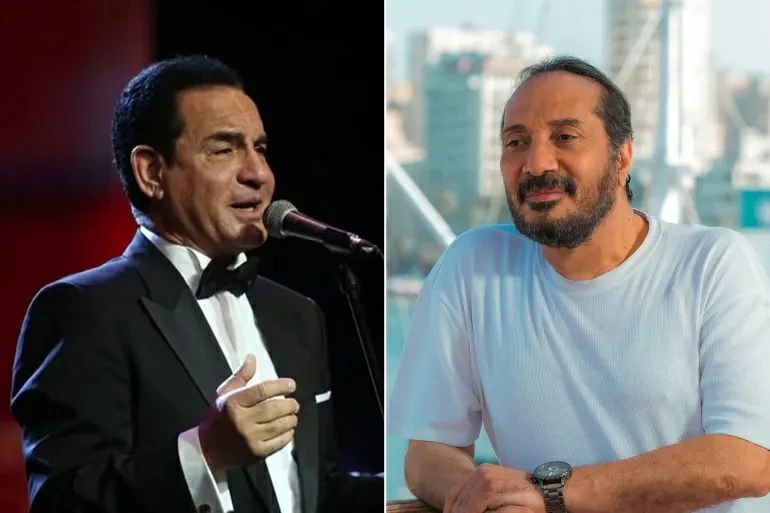
جدل واسع يحيط بالدورة الـ34 من مهرجان ومؤتمر الموسيقى العربية، قبل انطلاقها بأيام، بعدما تحولت تصريحات بشأن ميزانية المهرجان إلى أزمة متصاعدة، تزامنت مع اعتذار علي الحجار وانسحاب محمد ثروت، وصولًا إلى إعلان رضا الوكيل استقالته من رئاسة دار الأوبرا المصرية.
ومن المقرر أن تقام فعاليات المهرجان خلال الفترة من 20 إلى 30 أكتوبر، إلا أن الاستعدادات للحدث شهدت تطورات متلاحقة، بعدما أثارت تصريحات رضا الوكيل، خلال المؤتمر الصحفي للمهرجان، ردود فعل غاضبة في الأوساط الموسيقية.
وأثارت تصريحات الوكيل انتقادات من عدد من الموسيقيين، بينهم المايسترو هاني فرحات، والموسيقار أمير عبد المجيد، والموزع وليد فايد، الذين اعترضوا على ربط غياب النجوم بالميزانية، معتبرين أن مثل هذه التصريحات لا تتناسب، من وجهة نظرهم، مع مكانة المهرجان وعلاقات مصر الفنية مع مختلف الدول العربية.
وقال فرحات إن تصريحات الوكيل «ليست في محلها»، مشيرًا إلى أنه واجه خلال رئاسته للدورة الـ32 ظروفًا مالية صعبة، لكنه تمكن رغم ذلك من استضافة عدد من نجوم الغناء من مختلف أنحاء الوطن العربي. وشدد على أن الأزمات المالية، بحسب رؤيته، تحتاج إلى البحث عن حلول ومعالجات عملية بدلًا من تحميل المسؤولية للآخرين.
من جانبه، انتقد الملحن أمير عبد المجيد تصريحات رئيس دار الأوبرا، معتبرًا أن تفسير غياب كبار الفنانين بالأزمة المالية يتجاهل، بحسب تعبيره، قيمتهم الفنية، كما اعترض على الإشارات المتعلقة بالإمكانات المالية للدول العربية.
بدوره، دعا الموزع الموسيقي وليد فايد إلى البحث عن أسباب غياب الفنانين داخل منظومة المهرجان نفسها، بما يشمل الإدارة والبرنامج والميزانية وآليات التعاقد. كما رفض ما اعتبره تلميحات يمكن أن تُفهم باعتبارها انتقادًا لدول عربية، مشيرًا إلى ما تقدمه دول، من بينها السعودية، من استضافة وتكريم لعدد من رموز الفن المصري.
ومع اتساع دائرة الجدل، أعلن الفنان محمد ثروت انسحابه من المهرجان، مؤكدًا أنه لم يتأخر طوال مسيرته عن المشاركة في الفعاليات التي تمثل مصر، لكنه قال: «لن أقبل ولن أشارك في إهانة الفن المصري أو الفنانين المصريين».
ولم يتوقف الأمر عند ذلك، إذ أعلن الفنان علي الحجار اعتذاره عن المشاركة، مؤكدًا أن هذه المرة هي الأولى التي يغيب فيها عن مهرجان الموسيقى العربية منذ نحو 30 عامًا.
وأوضح الحجار أن سبب اعتذاره يرتبط بالميزانية المخصصة للفرقة الموسيقية المصاحبة له، والتي وصفها بأنها ضعيفة ومهينة لأعضاء فرقته، مشيرًا إلى أن هذه المسألة لم تُطرح خلال المؤتمر الصحفي للمهرجان.
وفي خضم هذه التطورات، أعلن رضا الوكيل استقالته من منصبه، في منشور عبر حسابه على «فيسبوك»، لتنتهي بذلك واحدة من أكثر الأزمات إثارة للجدل التي صاحبت التحضيرات للدورة الجديدة من مهرجان ومؤتمر الموسيقى العربية.
A wide controversy surrounds the 34th edition of the Arab Music Festival and Conference, just days before its launch, after statements regarding the festival's budget turned into a growing crisis, coinciding with Ali Al-Hajjar's apology and Mohamed Tharwat's withdrawal, culminating in Reda Al-Wakeel's announcement of his resignation from the presidency of the Egyptian Opera House.
The festival's events are scheduled to take place from October 20 to 30, but preparations for the event have witnessed successive developments, after Reda Al-Wakeel's statements during the festival's press conference sparked angry reactions in musical circles.
Al-Wakeel's statements drew criticism from several musicians, including maestro Hani Farhat, composer Amir Abdel-Meguid, and arranger Walid Fayed, who objected to linking the absence of stars to the budget, considering that such statements do not align, in their view, with the festival's stature and Egypt's artistic relations with various Arab countries.
Farhat stated that Al-Wakeel's remarks were "out of place," pointing out that during his presidency of the 32nd edition, he faced difficult financial circumstances, yet he managed to host several singing stars from across the Arab world. He emphasized that financial crises, in his view, require seeking solutions and practical remedies instead of placing blame on others.
For his part, composer Amir Abdel-Meguid criticized the statements of the head of the opera house, considering that interpreting the absence of major artists as a financial crisis overlooks, as he put it, their artistic value, and he also objected to the references related to the financial capabilities of Arab countries.
Meanwhile, music arranger Walid Fayed called for investigating the reasons behind the absence of artists within the festival's own system, including management, programming, budgeting, and contracting mechanisms. He also rejected what he considered hints that could be understood as criticism of Arab countries, pointing to what countries like Saudi Arabia offer in hosting and honoring several icons of Egyptian art.
As the controversy widened, artist Mohamed Tharwat announced his withdrawal from the festival, affirming that he has never delayed participating in events representing Egypt throughout his career, but he said: "I will not accept and will not participate in the humiliation of Egyptian art or Egyptian artists."
The situation did not stop there, as artist Ali Al-Hajjar announced his apology for participation, confirming that this is the first time he has missed the Arab Music Festival in nearly 30 years.
Al-Hajjar explained that his apology is related to the budget allocated for the accompanying musical band, which he described as weak and humiliating to the members of his band, noting that this issue was not raised during the festival's press conference.
Amid these developments, Reda Al-Wakeel announced his resignation from his position in a post on his "Facebook" account, thus ending one of the most controversial crises that accompanied the preparations for the new edition of the Arab Music Festival and Conference.