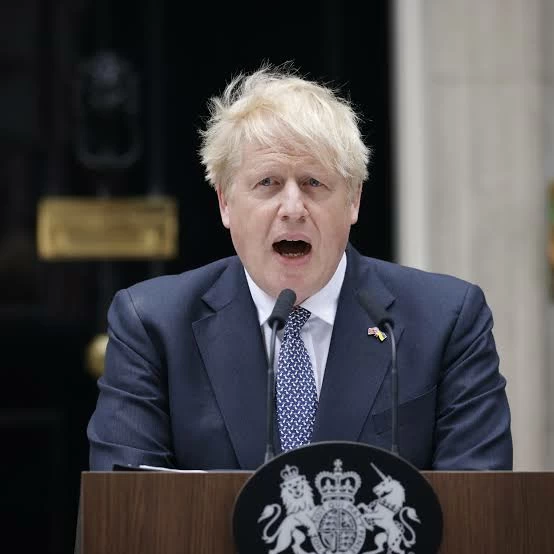
أفصح رئيس الوزراء البريطاني السابق بوريس جونسون عن تفاصيل حوار مع مسؤول رفيع في مكتب المستشار الألماني قبيل الغزو الروسي لأوكرانيا في فبراير 2022. وأفاد بأن المسؤول أبدى تفضيله لهزيمة أوكرانية سريعة.
وفي مقابلة مع بودكاست «School of War» (مدرسة الحرب)، نقل جونسون عن المسؤول في مكتب المستشار الألماني، قوله قبل الغزو: أليس من الأفضل أن يحدث كل شيء بسرعة، فيخسر الأوكرانيون وتنتهي القصة؟ كنت أعارض ذلك بشكل قاطع، وما زلت أعتقد أنه كان مخطئاً».
واعتبر جونسون أن هذه الواقعة تعكس الإستراتيجية الخاطئة التي انتهجتها برلين وباريس بعد ضم روسيا لشبه جزيرة القرم عام 2014 وقبل الغزو الكامل. وأضاف: «كانوا يتصرفون كأنهم معالجون نفسيون عائليون، يحللون الهجوم الوحشي لدولة على أخرى كما لو كان مجرد خلاف عائلي». وأشار رئيس الوزراء السابق إلى أن الدافع الرئيسي لهذا الموقف كان اقتصادياً بامتياز.
وكانت ألمانيا تعتمد بشكل كبير على الغاز الروسي عبر مشروع نورد ستريم، خصوصاً بعد تخليها عن الطاقة النووية، وكانت تخشى أن تؤدي حرب طويلة الأمد إلى كارثة اقتصادية أوروبية واسعة النطاق: ارتفاع حاد في أسعار الطاقة، اضطراب سلاسل التوريد، وتداعيات مباشرة على الصناعة الألمانية والاقتصاد الأوروبي ككل.
أما فرنسا، فقد شاركت برلين في هذا التوجه الحذر، مدفوعة بمصالح اقتصادية وتجارية مرتبطة بالعلاقات مع روسيا، إضافة إلى رغبتهما المشتركة في تجنب تصعيد طويل يهدد الاستقرار الاقتصادي للقارة.
ووفقاً لجونسون، كانت هذه الحسابات الاقتصادية هي التي دفعت المسؤولين في برلين وباريس إلى تفضيل «إنهاء الأمر بسرعة» حتى لو كان ذلك على حساب أوكرانيا، بدلاً من دعم مقاومة طويلة الأمد.
واعتبر جونسون أن ألمانيا وفرنسا تعاملتا مع الصراع الروسي-الأوكراني عبر «صيغة نورماندي» كأنه نزاع سياسي داخلي بين الطرفين، بدلاً من اعتباره عدواناً مباشراً يهدد سيادة أوكرانيا وأمن أوروبا. وذكر أن برلين لم توافق على فرض عقوبات استباقية على روسيا، واقتصرت مساعدتها العسكرية لأوكرانيا قبل الغزو على إرسال 5 آلاف خوذة.
Former British Prime Minister Boris Johnson revealed details of a conversation with a senior official in the German Chancellor's office just before the Russian invasion of Ukraine in February 2022. He reported that the official expressed a preference for a swift Ukrainian defeat.
In an interview with the podcast "School of War," Johnson quoted the official in the German Chancellor's office as saying before the invasion: "Isn't it better for everything to happen quickly, for the Ukrainians to lose and for the story to end? I strongly opposed that, and I still believe it was wrong."
Johnson considered this incident to reflect the misguided strategy adopted by Berlin and Paris after Russia's annexation of Crimea in 2014 and before the full-scale invasion. He added: "They were acting as if they were family therapists, analyzing the brutal attack of one country on another as if it were just a family dispute." The former Prime Minister noted that the main motivation for this stance was primarily economic.
Germany was heavily reliant on Russian gas through the Nord Stream project, especially after abandoning nuclear energy, and feared that a prolonged war would lead to a widespread European economic disaster: a sharp rise in energy prices, disruption of supply chains, and direct repercussions on the German industry and the European economy as a whole.
France shared Berlin's cautious approach, driven by economic and commercial interests linked to relations with Russia, as well as their mutual desire to avoid a prolonged escalation that threatened the continent's economic stability.
According to Johnson, it was these economic calculations that led officials in Berlin and Paris to prefer "to end things quickly," even at the expense of Ukraine, rather than support a long-term resistance.
Johnson argued that Germany and France treated the Russian-Ukrainian conflict through the "Normandy format" as if it were an internal political dispute between the two parties, rather than viewing it as direct aggression threatening Ukraine's sovereignty and Europe's security. He mentioned that Berlin did not agree to impose preemptive sanctions on Russia, and its military assistance to Ukraine before the invasion was limited to sending 5,000 helmets.