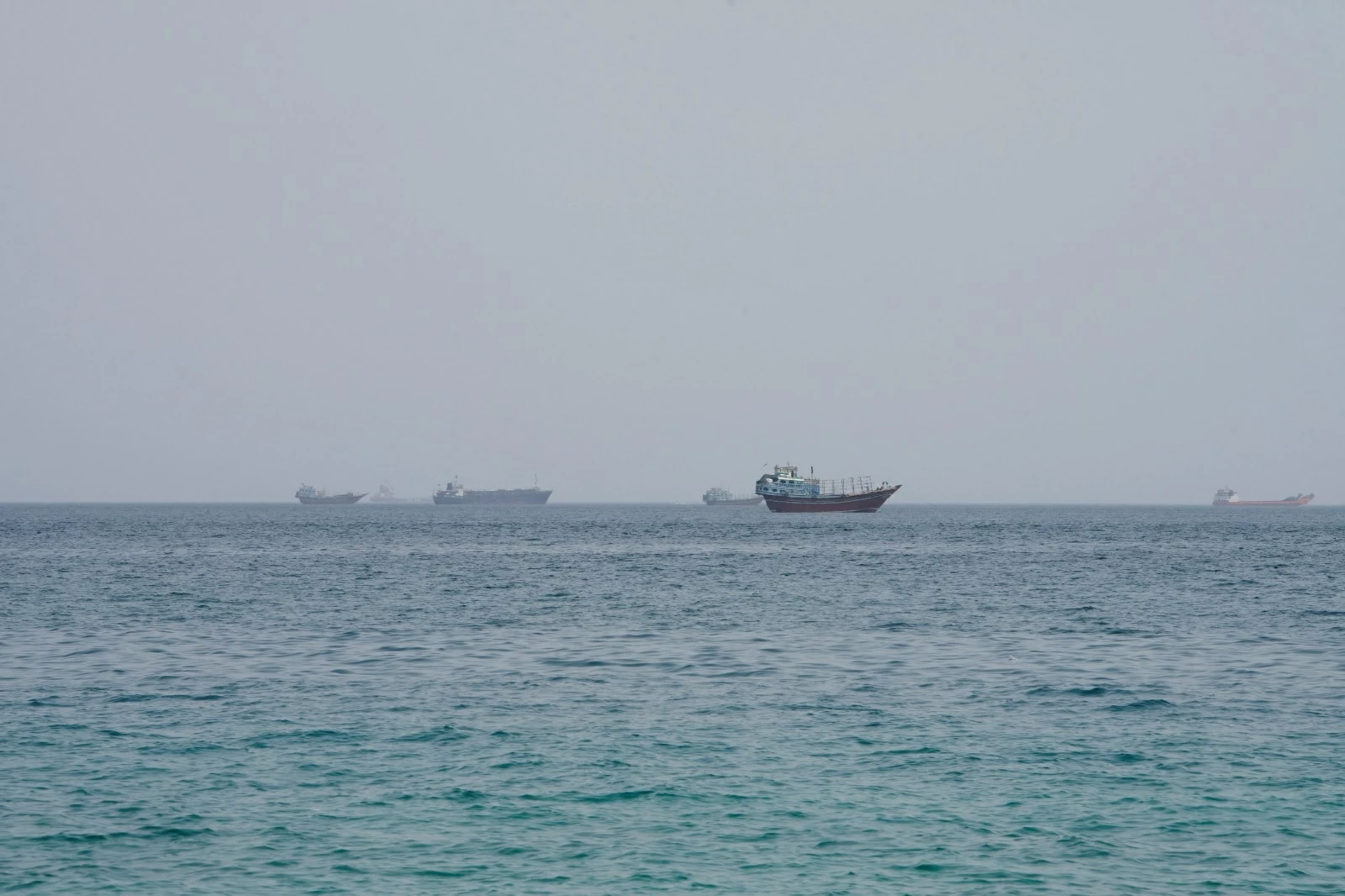
تتجه إدارة الرئيس الأمريكي دونالد ترمب إلى فرض حزمة جديدة من الإجراءات الاقتصادية على إيران، والتي وصفتها بأنها جزء من حملة «عزل اقتصادي» غير مسبوقة.
إجراءات جديدة الأسبوع القادم
وقال وزير الخزانة الأمريكي سكوت بيسنت إن إجراءات جديدة ستُعلن الأسبوع القادم، بالتزامن مع استمرار الحصار البحري المفروض على الموانئ الإيرانية.
فيما أكد وزير الحرب الأمريكي بيت هيجسيث قدرة الجيش الأمريكي على مواصلة الحصار إلى أجل غير مسمى، عبر تناوب القطع البحرية الموجودة في المنطقة.
وتأتي الضغوط في وقت توقفت فيه صادرات النفط الإيرانية منذ الأول من أغسطس، بعد إغلاق الولايات المتحدة موانئ التصدير الرئيسية، ما زاد الضغوط على اقتصاد يعاني التضخم والبطالة وتراجع القدرة الشرائية. كما استهدفت واشنطن منصات للعملات المشفرة، تقول إنها استُخدمت للالتفاف على العقوبات.
هل ينتهي المسار الدبلوماسي؟
يتزامن التصعيد مع اقتراب انتهاء «مذكرة التفاهم» الموقعة بين واشنطن وطهران في 18 يونيو، والمقرر أن تنتهي في 16 أغسطس الجاري. ورغم استمرار الخلافات، لم يعلن الطرفان رسمياً التخلي عن المسار الدبلوماسي.
ويتركز الخلاف بصورة خاصة حول مضيق هرمز، الذي تمر عبره نسبة كبيرة من شحنات النفط والغاز العالمية. وتطرح إيران وسلطنة عُمان مساراً بحرياً محتملاً لعبور السفن، لكن طهران تؤكد أن أي تفاهم مع مسقط لا يعني بالضرورة إعادة فتح المضيق بالكامل.
وفي حال عدم تمديد المذكرة، قد يستمر الوضع الراهن القائم على «لا حرب ولا سلام»، بينما قد يؤدي إعلان انتهائها رسمياً إلى زيادة خطر تجدد المواجهات العسكرية.
تضارب حول السيطرة على هرمز
تقدم واشنطن وطهران روايتين متناقضتين بشأن السيطرة على المضيق. وقال ترمب إن الولايات المتحدة تسيطر بشكل كامل على الممر المائي، وإن الحصار حدّ من قدرة إيران على التحرك.
في المقابل، تؤكد طهران استمرار سيطرتها على المضيق، محذرة واشنطن من «سوء التقدير». وتظهر بيانات حركة الملاحة انخفاضاً حاداً في أعداد السفن العابرة، إذ تمر حالياً نحو 10 إلى 12 سفينة يومياً، مقارنة بنحو 130 إلى 140 سفينة قبل الحرب.
مخاطر متزايدة على الملاحة
استمرت المخاطر التي تواجه حركة الشحن، مع إعلان شركة «أدنوك» الإماراتية تعرض ناقلتين تابعتين لها لهجوم أثناء عبورهما مضيق هرمز، دون وقوع إصابات. واتهمت الإمارات إيران بالمسؤولية عن الهجوم.
وفي ظل هذه التطورات، تحاول واشنطن تحقيق هدفين متوازيين: ضمان استمرار تدفق النفط والغاز من دول الخليج إلى الأسواق العالمية، ومنع إيران من امتلاك سلاح نووي، بينما تواصل طهران استخدام مضيق هرمز كورقة ضغط إستراتيجية واقتصادية في مواجهة الضغوط الأمريكية.
The administration of U.S. President Donald Trump is moving towards imposing a new package of economic measures on Iran, which it has described as part of an unprecedented "economic isolation" campaign.
New measures next week
U.S. Treasury Secretary Scott Piesen stated that new measures will be announced next week, coinciding with the continuation of the maritime blockade imposed on Iranian ports.
Meanwhile, U.S. Secretary of Defense Pete Hegseth confirmed the U.S. military's ability to maintain the blockade indefinitely by rotating naval vessels in the region.
The pressures come at a time when Iranian oil exports have stopped since August 1, after the United States closed major export ports, increasing the strain on an economy suffering from inflation, unemployment, and declining purchasing power. Washington has also targeted cryptocurrency platforms, claiming they have been used to circumvent sanctions.
Is the diplomatic path coming to an end?
The escalation coincides with the approaching expiration of the "memorandum of understanding" signed between Washington and Tehran on June 18, which is set to expire on August 16. Despite ongoing disagreements, neither side has officially announced the abandonment of the diplomatic path.
The dispute particularly focuses on the Strait of Hormuz, through which a significant percentage of global oil and gas shipments pass. Iran and Oman propose a potential maritime route for ships to cross, but Tehran insists that any understanding with Muscat does not necessarily mean the complete reopening of the strait.
If the memorandum is not extended, the current situation of "no war, no peace" may continue, while an official announcement of its expiration could increase the risk of renewed military confrontations.
Conflicting narratives on control of Hormuz
Washington and Tehran present conflicting narratives regarding control of the strait. Trump stated that the United States fully controls the waterway and that the blockade has limited Iran's ability to maneuver.
In contrast, Tehran asserts its continued control over the strait, warning Washington against "miscalculation." Shipping data shows a sharp decline in the number of transiting vessels, with about 10 to 12 ships currently passing daily, compared to around 130 to 140 ships before the war.
Increasing risks to navigation
Risks facing shipping have continued, with the Emirati company "ADNOC" announcing that two of its tankers were attacked while crossing the Strait of Hormuz, with no injuries reported. The UAE accused Iran of being responsible for the attack.
In light of these developments, Washington is attempting to achieve two parallel goals: ensuring the continued flow of oil and gas from Gulf countries to global markets, and preventing Iran from acquiring nuclear weapons, while Tehran continues to use the Strait of Hormuz as a strategic and economic pressure tool in the face of U.S. pressures.