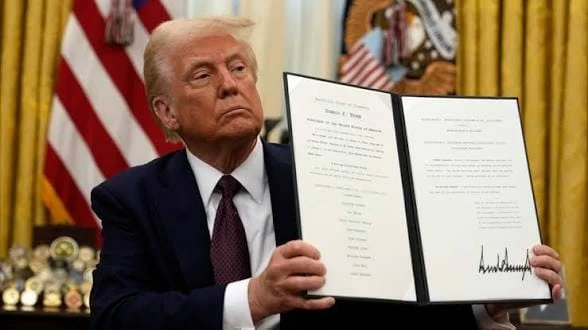
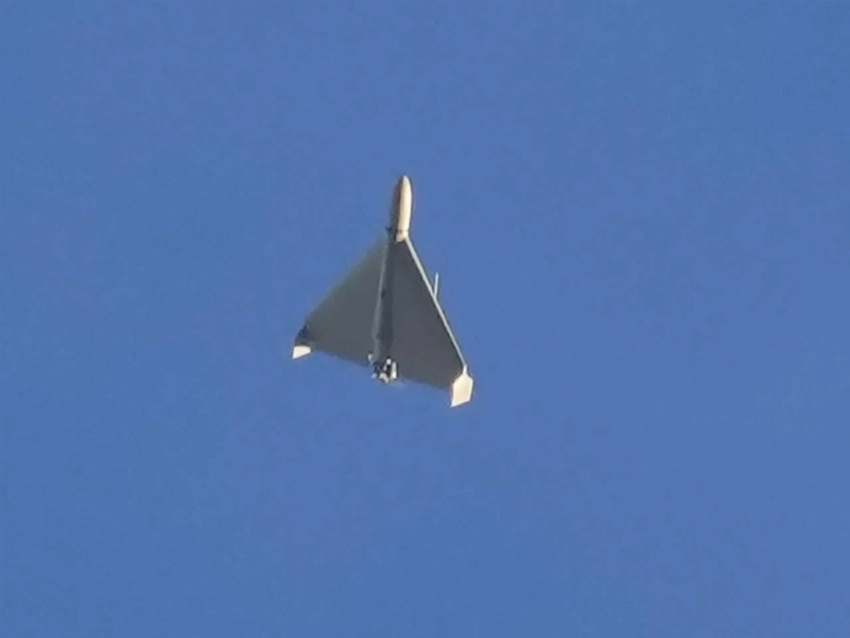
في خطوة جديدة تستهدف تعزيز القدرات الصناعية والتكنولوجية الأمريكية وتقليص الاعتماد على الموردين الأجانب، وقع الرئيس الأمريكي دونالد ترمب، اليوم، إعلانًا رئاسيًا يتضمن فرض رسوم جمركية جديدة على واردات الطائرات المسيّرة «الدرونز» ومكوناتها، مبررًا القرار بمواجهة مخاطر مرتبطة بالأمن القومي وسلاسل الإمداد الأمريكية، وفقًا لما أفاد به البيت الأبيض.
وتشمل الإجراءات الجديدة رسومًا تصل إلى 100% على فئات محددة من الطائرات المسيّرة التي تعتبرها الإدارة الأمريكية شديدة الحساسية من الناحية الأمنية، إلى جانب محطات الإرساء وبعض المكونات الأساسية لهذه الطائرات.
رسوم تصل إلى 100%
وبموجب الإعلان الرئاسي، ستُفرض رسوم جمركية بنسبة 100% على الطائرات المسيّرة التي يتجاوز وزن إقلاعها الأقصى 25 كيلوجرامًا، وكذلك الطائرات التي تمتلك قدرات للتصوير الحراري، باعتبار أن هذه الفئات تتمتع بقدرات يمكن أن تكون ذات أهمية خاصة للأمن القومي الأمريكي.
كما تشمل الرسوم المرتفعة محطات الإرساء الخاصة بهذه الطائرات وبعض المكونات الحيوية المستخدمة في تصنيعها.
وفي المقابل، فرضت الإدارة الأمريكية رسومًا بنسبة 25% على فئات أخرى من الطائرات المسيّرة الأصغر حجمًا التي لا تمتلك بعض القدرات التي تثير مخاوف أمنية خاصة، إضافة إلى مكونات أخرى للطائرات المسيّرة.
رسوم مختلفة على حلفاء واشنطن
وتضمن القرار معدلات جمركية مختلفة بحسب دولة المنشأ، إذ ستخضع الطائرات المسيّرة ومكوناتها القادمة من الاتحاد الأوروبي واليابان وليختنشتاين وكوريا الجنوبية وسويسرا وتايوان لرسوم بنسبة 15%.
أما المنتجات القادمة من المملكة المتحدة، فستُفرض عليها رسوم بنسبة 10%، بشرط أن تكون غالبية مكونات الأجهزة والبرمجيات والتكنولوجيا المستخدمة فيها منشؤها هذه الدول والولايات المتحدة.
متى تبدأ الرسوم؟
ومن المقرر أن تدخل الرسوم الجديدة حيز التنفيذ بعد 21 يومًا من توقيع الإعلان الرئاسي.
أما بالنسبة إلى بعض مكونات الطائرات المسيّرة التي لا تصنف باعتبارها شديدة الحساسية، فسيبدأ تطبيق الرسوم عليها بعد 180 يومًا من توقيع الإعلان.
كما حدد القرار فترة مماثلة لبعض المنتجات والمكونات التي تعتمد إعفاءً من «القائمة المشمولة» لدى لجنة الاتصالات الفيدرالية الأمريكية، إذا وافقت وزارة الحرب على الإعفاء خلال 20 يومًا من توقيع الإعلان.
برنامج لتوطين صناعة المسيّرات
ويمنح الإعلان وزير التجارة الأمريكي صلاحية إنشاء برنامج لتوطين الصناعة، بهدف تشجيع الشركات على ضخ استثمارات جديدة في تصنيع الطائرات المسيّرة ومكوناتها داخل الولايات المتحدة.
وتسعى الإدارة من خلال هذه الخطوة إلى زيادة الإنتاج المحلي بسرعة، ودعم الشركات الأمريكية العاملة في هذا القطاع، إلى جانب توفير وظائف جديدة وتعزيز سلاسل الإمداد المحلية.
لماذا تستهدف واشنطن الطائرات المسيّرة؟
وتعتبر إدارة ترمب الطائرات المسيّرة إحدى التقنيات الأساسية في الصراعات العسكرية الحديثة، كما ترى أنها ستلعب دورًا محوريًا في العمليات العسكرية الأمريكية الحالية والمستقبلية.
وبحسب الإدارة، تعتمد الطائرات المسيّرة المستخدمة في الأغراض التجارية والعسكرية الأمريكية على مصادر أجنبية للحصول على مكونات رئيسية لأنظمة الطائرات غير المأهولة، وهو ما تعتبره واشنطن مصدرًا لمخاطر تتعلق بالأمن القومي، فضلًا عن إمكانية خلق ثغرات في مجال الأمن السيبراني.
وترى الإدارة أن توسيع قاعدة الإنتاج الأمريكي للطائرات المسيّرة أصبح ضرورة لتعزيز الأمن القومي والاقتصادي للولايات المتحدة.
استمرار سياسة ترمب لحماية الصناعات الحيوية
ويأتي القرار ضمن سياسة أوسع يتبناها ترمب منذ ولايته الأولى، تقوم على استخدام الرسوم الجمركية لحماية القطاعات التي تعتبرها الإدارة الأمريكية استراتيجية للأمن القومي.
وخلال ولايته الأولى، استخدم ترمب المادة 232 لمعالجة ما وصفه بسياسات تجارية أضعفت الصناعات الأمريكية، خصوصًا قطاعات الصلب والألومنيوم.
ومنذ عودته إلى البيت الأبيض، واصل اتخاذ إجراءات مماثلة لتعزيز التصنيع المحلي، شملت فرض أو تشديد رسوم على سلع وقطاعات من بينها الصلب والألومنيوم والنحاس والشاحنات والسيارات والأخشاب والأدوية.
وفي يونيو 2025، وقع ترمب أمرًا تنفيذيًا يستهدف تعزيز الريادة الأمريكية في مجال الطائرات المسيّرة، من خلال إعطاء الأولوية للطائرات المصنعة محليًا، وتشجيع تصديرها، وحماية التكنولوجيا الأمريكية من النفوذ أو الاستغلال الأجنبي.
كما وقع في الشهر نفسه أمرًا تنفيذيًا آخر لتعزيز السيادة الأمريكية على المجال الجوي وضمان أمنه، في ظل ما وصفته الإدارة آنذاك بالتزايد السريع في إساءة استخدام الطائرات المسيّرة.
وتقول الإدارة الأمريكية إن استخدام المفاوضات التجارية مع الشركاء الأجانب، إلى جانب الرسوم الجمركية، أسهم في جذب تريليونات الدولارات من الاستثمارات الخاصة والأجنبية، وإعادة الوظائف والتصنيع إلى الولايات المتحدة، وتنويع سلاسل الإمداد وتقليل الاعتماد على الدول التي تعتبرها واشنطن خصومًا إستراتيجيين.
In a new step aimed at enhancing American industrial and technological capabilities and reducing reliance on foreign suppliers, U.S. President Donald Trump signed a presidential proclamation today imposing new tariffs on imports of drones and their components, justifying the decision as a means to address risks related to national security and American supply chains, according to the White House.
The new measures include tariffs of up to 100% on specific categories of drones that the U.S. administration considers to be highly sensitive from a security standpoint, along with docking stations and some essential components of these drones.
Tariffs of up to 100%
Under the presidential proclamation, a 100% tariff will be imposed on drones with a maximum takeoff weight exceeding 25 kilograms, as well as on drones equipped with thermal imaging capabilities, as these categories are deemed to possess capabilities that could be of particular importance to U.S. national security.
The high tariffs will also apply to the docking stations for these drones and some vital components used in their manufacturing.
Conversely, the U.S. administration has imposed a 25% tariff on other smaller categories of drones that do not possess certain capabilities that raise specific security concerns, in addition to other components for drones.
Different Tariffs on Washington's Allies
The decision includes different tariff rates based on the country of origin, with drones and their components coming from the European Union, Japan, Liechtenstein, South Korea, Switzerland, and Taiwan subject to a 15% tariff.
Products coming from the United Kingdom will face a 10% tariff, provided that the majority of the components of the devices, software, and technology used in them originate from these countries and the United States.
When Will the Tariffs Start?
The new tariffs are set to take effect 21 days after the signing of the presidential proclamation.
As for some components of drones that are not classified as highly sensitive, the tariffs will begin to apply 180 days after the signing of the proclamation.
The decision also specifies a similar period for certain products and components that rely on an exemption from the "covered list" with the U.S. Federal Communications Commission, if the Department of Defense approves the exemption within 20 days of the signing of the proclamation.
Program to Localize Drone Manufacturing
The proclamation grants the U.S. Secretary of Commerce the authority to establish a program to localize the industry, aimed at encouraging companies to invest in the manufacturing of drones and their components within the United States.
The administration seeks through this step to rapidly increase domestic production, support American companies operating in this sector, create new jobs, and strengthen local supply chains.
Why is Washington Targeting Drones?
The Trump administration considers drones to be one of the key technologies in modern military conflicts, believing they will play a pivotal role in current and future U.S. military operations.
According to the administration, the drones used for commercial and military purposes in the U.S. rely on foreign sources for key components of unmanned aircraft systems, which Washington views as a source of risks related to national security, as well as the potential to create vulnerabilities in cybersecurity.
The administration believes that expanding the base of American drone production has become essential to enhance the national and economic security of the United States.
Continuing Trump's Policy to Protect Vital Industries
The decision is part of a broader policy that Trump has adopted since his first term, which involves using tariffs to protect sectors that the U.S. administration considers strategic for national security.
During his first term, Trump used Section 232 to address what he described as trade policies that weakened American industries, particularly in the steel and aluminum sectors.
Since his return to the White House, he has continued to take similar actions to bolster domestic manufacturing, including imposing or tightening tariffs on goods and sectors such as steel, aluminum, copper, trucks, cars, wood, and pharmaceuticals.
In June 2025, Trump signed an executive order aimed at enhancing American leadership in the drone sector by prioritizing domestically manufactured drones, encouraging their export, and protecting American technology from foreign influence or exploitation.
He also signed another executive order in the same month to enhance American sovereignty over airspace and ensure its security, amid what the administration described at the time as a rapid increase in the misuse of drones.
The U.S. administration states that using trade negotiations with foreign partners, along with tariffs, has helped attract trillions of dollars in private and foreign investments, bring jobs and manufacturing back to the United States, diversify supply chains, and reduce reliance on countries that Washington considers strategic adversaries.