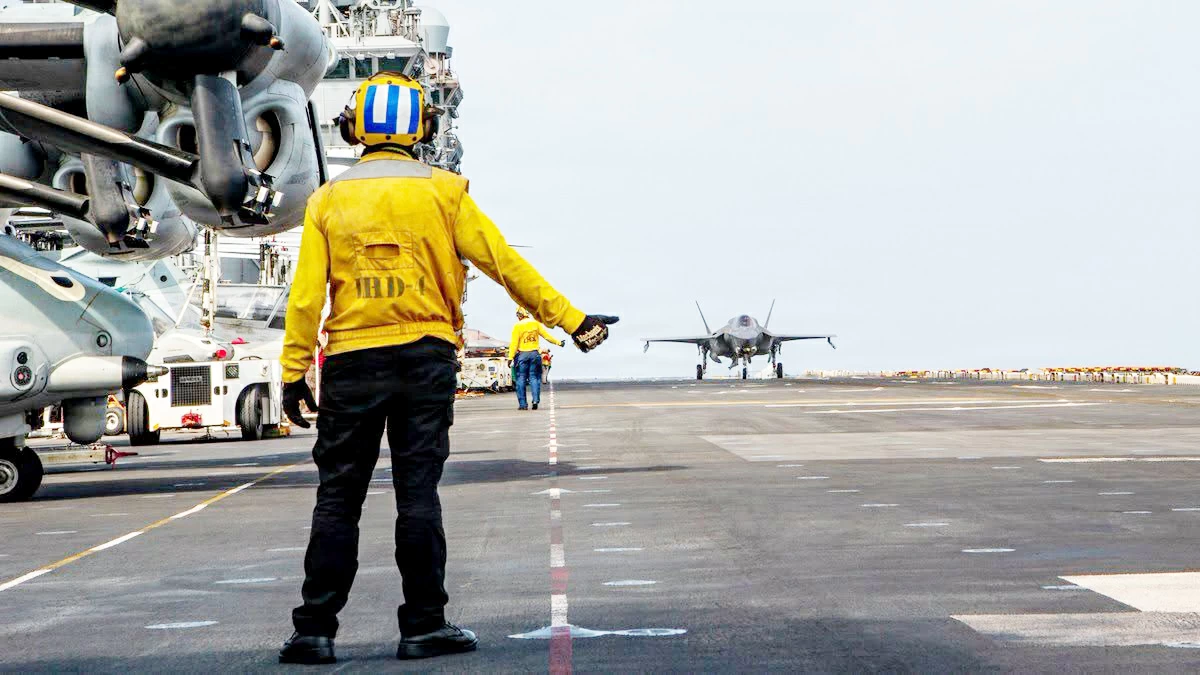
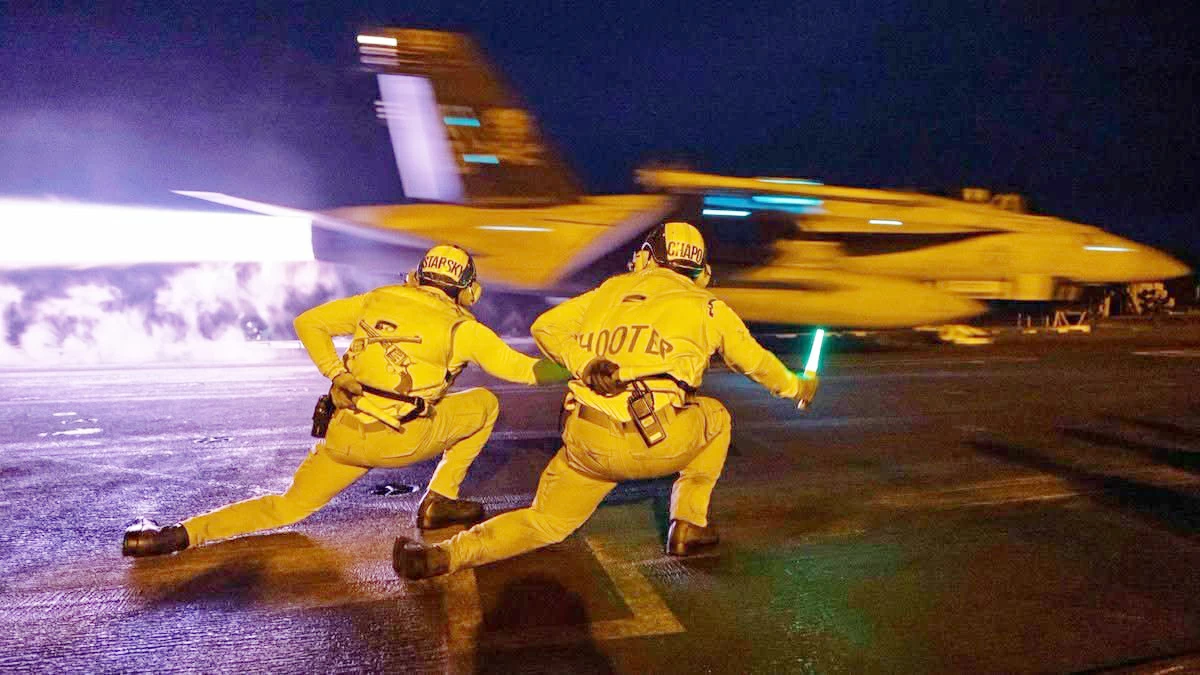
لا تبدو المنطقة اليوم أمام مفترق واضح بين الحرب والتفاوض، بقدر ما تبدو عالقة في منطقة رمادية تسبق كليهما. ففي الوقت الذي تتحدث إسلام آباد عن اقتراب واشنطن وطهران من تفاهم، كانت طهران تواصل رفع جاهزيتها وترتيب أدواتها، فيما يصعد دونالد ترمب لهجته إلى حد الإعلان عن السيطرة الكاملة على مضيق هرمز.
وبينما توحي هذه الإشارات بأن مسافة الخلاف لا تزال واسعة، تفتح باكستان مجدّداً قناة الاتصال، وكأنها ترى في اللحظة الحالية فرصة قد لا تبقى متاحة طويلاً.
إسلام آباد تعود إلى خط الوساطة
زيارة وزير الداخلية الباكستاني محسن نقوي إلى طهران وما رافقها من دعوات إيرانية إلى زيارة باكستان، بدت كمحاولة لالتقاط اللحظة. فإسلام آباد التي نجحت في فتح قناة بين الطرفين في مراحل سابقة، تعرف أن الوساطة لا تبدأ حين يكون الخصمان مستعدين للسلام، بل حين يدرك كل منهما أن استمرار المواجهة صار مكلفاً دون أن يكون مستعداً بعد للاعتراف بأن التراجع أصبح ضرورة.
ومن هنا يمكن فهم حديث وزير الدفاع الباكستاني عن قرب التوصل إلى تفاهم. والذي يتناغم مع ما كشفته وزارة الخارجية القطرية بأن المحادثات الجارية بين سلطنة عمان وإيران بشأن مستقبل الملاحة وترتيبات العبور في مضيق هرمز قد بلغت «مرحلة متقدمة» و«نقطة مفصلية».
فهل وصلت طهران وواشنطن فعلاً إلى هذه النقطة؟ المؤشرات العلنية لا تقول ذلك بعد. لا تدخل إيران هذه الجولة من الاتصالات وهي تتخلى عن أدوات الضغط التي راكمتها. على العكس، فإن إعادة ترتيب مواقع عسكرية وأمنية حساسة، وإسناد أدوار مؤثرة إلى شخصيات ذات خلفية عسكرية، يوحيان بأن التفاوض لن يكون بديلاً عن الاستعداد للمواجهة. وهذا لا يعني بالضرورة أن قرار التصعيد قد اتخذ، لكنه يعني أن طهران تريد أن تدخل أي تفاوض وهي قادرة على القول إنه ما زال لديها ما تخسره. لذلك يصعب فصل موقفها من مضيق هرمز عن بقية الحسابات المرتبطة بالحرب والعقوبات ومستقبل العلاقة مع واشنطن.
ترمب يرفع سقف التفاوض
في المقابل، لا يترك ترمب مساحة كبيرة لقراءة الوساطة الباكستانية باعتبارها تراجعاً أمريكياً حين يقول إنه لا يثق بإيران، وعن احتمال أن تتعرّض لضربة قوية ويتحدث عن السيطرة الكاملة على هرمز. فالرجل يتعامل مع المضيق باعتباره ملفاً منفصلاً عن ميزان القوة، وبالتالي هو لا يخاطب طهران فقط، بل يحدد لأي وساطة مساحة ضيقة؛ تهدئة الميدان دون أن يشعر بأنه قدّم تنازلاً.
أما إسرائيل، فتراقب هذا المسار بحذر، لأن أي تفاهم أمريكي ـ إيراني جديد ولو محدود حول هرمز قد يخفف الضغط عن المنطقة دون أن يحسم الملفات التي تعتبرها تل أبيب جوهرية. ولذلك فإن القلق الإسرائيلي يرتبط بما قد تخسره إذا تحوّلت الأولوية الأمريكية من مواصلة الضغط إلى تثبيت ترتيب إقليمي قابل للاستمرار.
هرمز.. البداية الممكنة
ومع بقاء هرمز في قلب المواجهة، يمكن أن يكون المضيق النقطة التي يمكن أن يبدأ منها التفاهم المرتقب إذا أراد الطرفان اختبار حسن النيات، والمكان نفسه الذي يمكن أن يعود منه التصعيد إذا قرر أحدهما أن التفاوض لم يعد يخدمه.
ففتح هرمز أو ضمان حركة الملاحة فيه لا يحتاج بالضرورة إلى تسوية كل الملفات التي تفصل واشنطن عن طهران. وربما تكون هذه هي النافذة التي تبحث عنها إسلام آباد تحديداً؛ فصل ما يمكن فصله، وتأجيل ما يستحيل حسمه الآن والبدء بملف تتقاطع فيه مصالح الأطراف بدلاً من محاولة حل النزاع كله دفعة واحدة.
تفاوض تحت سقف التصعيد
لهذا لا ينبغي اعتبار التصريحات الباكستانية المتفائلة باعتبارها دليلاً على اتفاق وشيك، كما لا ينبغي اعتبار التصعيد الإيراني والأمريكي دليلاً على انهيار الوساطة. الطرفان قد يكونان يفعلان الأمرين معاً؛ يفاوضان ويستعدان للمواجهة. وهذه ربما تكون السمة الأوضح للمرحلة الحالية.
ومع اختلاف حسابات الأطراف كافة، تبقى النتيجة واحدة؛ لا أحد يملك حتى الآن «الضربة القاضية». وقد تكون اللحظة الحالية أقرب إلى اختبار للأعصاب منها إلى مفاوضات سلام. فما الذي تستطيع إسلام آباد فعله؟
إذا تمكّنت إسلام آباد من تحويل الحديث عن «قرب التفاهم» إلى خطوة قابلة للتنفيذ، فقد يصبح هرمز بداية لمسار أطول من خفض التصعيد. أما إذا بقيت كل جهة متمسكة بفكرة أن الوقت يعمل لمصلحتها، فقد تتحوّل الوساطة إلى فاصلة قصيرة بين جولة وأخرى.
The region today does not seem to be at a clear crossroads between war and negotiation, as much as it appears to be stuck in a gray area that precedes both. While Islamabad speaks of Washington and Tehran nearing an understanding, Tehran continues to raise its readiness and arrange its tools, while Donald Trump escalates his rhetoric to the point of announcing complete control over the Strait of Hormuz.
While these signals suggest that the distance of disagreement remains wide, Pakistan is once again opening a channel of communication, as if it sees the current moment as an opportunity that may not remain available for long.
Islamabad Returns to the Mediation Line
The visit of Pakistani Interior Minister Mohsin Naqvi to Tehran, along with Iranian calls for a visit to Pakistan, seemed like an attempt to seize the moment. Islamabad, which has succeeded in opening a channel between the two sides in previous stages, knows that mediation does not begin when the adversaries are ready for peace, but when each realizes that the continuation of confrontation has become costly without being ready yet to acknowledge that retreat has become a necessity.
From here, one can understand the remarks of the Pakistani Defense Minister about the proximity of reaching an understanding. This aligns with what the Qatari Foreign Ministry revealed, that the ongoing talks between Oman and Iran regarding the future of navigation and transit arrangements in the Strait of Hormuz have reached a "advanced stage" and a "turning point."
Have Tehran and Washington really reached this point? The public indicators do not say so yet. Iran does not enter this round of communications while relinquishing the pressure tools it has accumulated. On the contrary, the rearrangement of sensitive military and security positions, and assigning influential roles to figures with military backgrounds, suggest that negotiation will not be a substitute for preparation for confrontation. This does not necessarily mean that the decision to escalate has been made, but it does mean that Tehran wants to enter any negotiation while being able to say that it still has something to lose. Therefore, it is difficult to separate its position on the Strait of Hormuz from the rest of the calculations related to war, sanctions, and the future of relations with Washington.
Trump Raises the Negotiation Ceiling
On the other hand, Trump does not leave much room for interpreting the Pakistani mediation as an American retreat when he says he does not trust Iran, and about the possibility of it facing a strong blow while speaking of complete control over Hormuz. The man treats the strait as a file separate from the balance of power, and thus he is not only addressing Tehran but also defining a narrow space for any mediation; calming the field without feeling that he has made a concession.
Israel, for its part, is watching this path cautiously, as any new American-Iranian understanding, even if limited regarding Hormuz, could ease the pressure on the region without resolving the issues that Tel Aviv considers essential. Therefore, Israeli concern is linked to what it might lose if the American priority shifts from continuing pressure to establishing a sustainable regional arrangement.
Hormuz... The Possible Beginning
With Hormuz remaining at the heart of the confrontation, the strait could be the point from which the anticipated understanding could begin if both sides want to test good intentions, and the same place from which escalation could return if one decides that negotiation no longer serves its interests.
Opening Hormuz or ensuring navigation movement in it does not necessarily require settling all the files that separate Washington from Tehran. Perhaps this is the window that Islamabad is specifically looking for; separating what can be separated, postponing what cannot be resolved now, and starting with a file where the interests of the parties intersect instead of trying to resolve the entire dispute all at once.
Negotiation Under the Ceiling of Escalation
Therefore, the optimistic Pakistani statements should not be considered as evidence of an imminent agreement, nor should the Iranian and American escalation be seen as evidence of the collapse of mediation. Both sides may be doing both things at once; negotiating and preparing for confrontation. This may be the clearest characteristic of the current phase.
With the differing calculations of all parties, the result remains the same; no one currently possesses the "knockout blow." The current moment may be closer to a test of nerves than to peace negotiations. So what can Islamabad do?
If Islamabad can turn the talk of "nearing an understanding" into an actionable step, Hormuz may become the beginning of a longer path toward de-escalation. However, if each side remains attached to the idea that time is working in its favor, mediation may turn into a short pause between rounds.