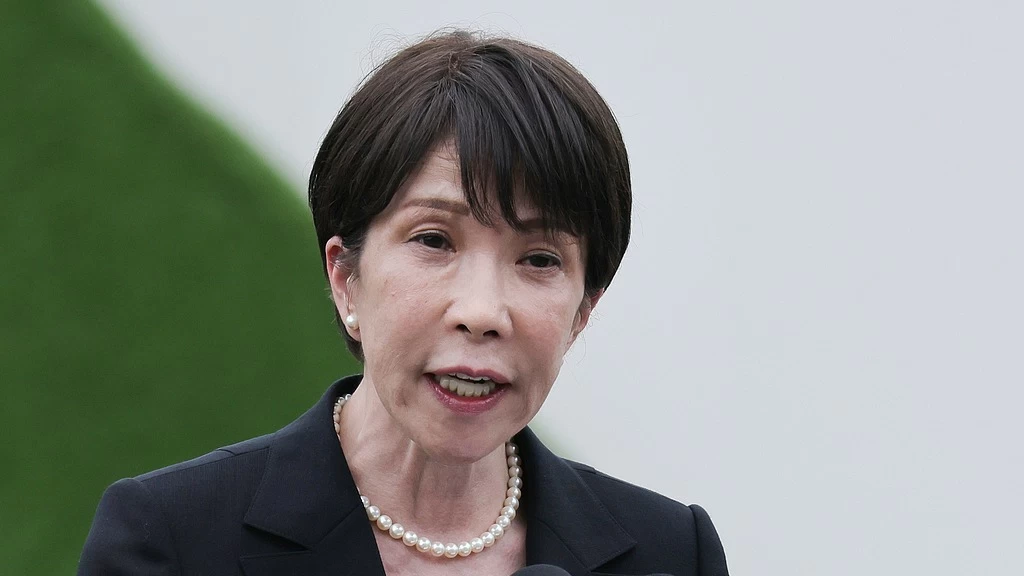
لم تحسم رئيسة الوزراء اليابانية ساناي تاكايتشي، منذ توليها منصبها، موقفها النهائي من مستقبل المبادئ الثلاثة التي تحظر على اليابان امتلاك الأسلحة النووية أو إنتاجها أو السماح بإدخالها إلى أراضيها، في وقت تتزايد فيه الضغوط الأمنية المحيطة بالبلاد، ويتواصل اعتماد طوكيو على المظلة النووية الأمريكية.
ويكتسب هذا الجدل أهمية خاصة مع اقتراب اليابان من مراجعة وثائقها الأمنية الرئيسية، بالتزامن مع استمرار النقاش الداخلي حول مدى قدرة المبادئ الثلاثة على التعامل مع ما تعتبره طوكيو تغيرات متسارعة في البيئة الأمنية الإقليمية.
موقف غامض من المبادئ الثلاثة
كانت تاكايتشي قد تناولت القضية في كتابها الصادر عام 2024 بعنوان «كوكوريوكو كينكيو» أو «بحث القوة الوطنية»، حيث كتبت أن مبدأي عدم امتلاك الأسلحة النووية وعدم إنتاجها «ينبغي الحفاظ عليهما».
لكنها تبنت موقفًا أكثر مرونة تجاه المبدأ الثالث المتعلق بعدم السماح بإدخال الأسلحة النووية إلى الأراضي اليابانية.
وأشارت في كتابها إلى أن الالتزام الصارم بهذا المبدأ قد يكون غير واقعي إذا كانت اليابان تتوقع من الولايات المتحدة توفير «الردع الممتد»، في إشارة إلى المظلة النووية الأمريكية التي تعتمد عليها طوكيو ضمن تحالفها الدفاعي مع واشنطن.
ووفقًا لما كتبته تاكايتشي، فإن التمسك بمبدأ عدم إدخال الأسلحة النووية إلى اليابان يمكن أن يتحول إلى «عقبة» في حال تعرض البلاد لما وصفته بـ«أزمة قصوى».
تاكايتشي تتجنب الحسم
وخلال مؤتمر صحفي عقدته أمس (الأحد)، سُئلت رئيسة الوزراء عما إذا كان موقف الحكومة من المبادئ الثلاثة قد تغير في ظل المناقشات الجارية بشأن وثائق الأمن القومي.
لكن تاكايتشي تجنبت، بحسب صحيفة Japantimes، تقديم إجابة حاسمة، قائلة إن الحكومة تعمل حاليًا على مراجعة وثائقها الأمنية، ولذلك فإنها لن تصدر أحكامًا مسبقة بشأن الصياغة النهائية التي ستتضمنها الوثائق.
وفي الوقت نفسه، أكدت أن حكومتها لا تزال ملتزمة بالمبادئ الثلاثة «باعتبارها سياسة» قائمة.
ويترك هذا الموقف مساحة من الغموض بشأن ما إذا كانت طوكيو ستكتفي بالحفاظ على السياسة الحالية، أم ستسعى مستقبلًا إلى تعديل أحد مبادئها، خصوصًا مبدأ عدم السماح بإدخال الأسلحة النووية إلى الأراضي اليابانية.
اليابان أمام معاهدة حظر الأسلحة النووية
وفي السياق ذاته، تتعرض الحكومة اليابانية لضغوط للمشاركة في أول مؤتمر لمراجعة معاهدة الأمم المتحدة لحظر الأسلحة النووية، المقرر عقده في مقر الأمم المتحدة بمدينة نيويورك بين 30 نوفمبر و4 ديسمبر.
لكن اليابان، التي تعتمد على المظلة النووية الأمريكية في إطار دفاعها، لم تنضم إلى المعاهدة ولم توقع عليها.
وأبدت تاكايتشي تحفظًا بشأن مشاركة اليابان في المؤتمر، معتبرة أن المعاهدة ينبغي تقييمها من منظور مدى فعاليتها الحقيقية في ضمان الأمن القومي الياباني وتحقيق تقدم ملموس في مجال نزع السلاح النووي.
واعتمدت الأمم المتحدة معاهدة حظر الأسلحة النووية عام 2017، وهي تحظر تطوير الأسلحة النووية واختبارها وإنتاجها وامتلاكها وتخزينها واستخدامها، إضافة إلى التهديد باستخدامها.
وقد صادقت عشرات الدول على المعاهدة، لكن أيًا من الدول التسع التي تمتلك ترسانات نووية معلنة لم ينضم إليها.
طوكيو تركز على إرث هيروشيما وناجازاكي
وفي مقابل الجدل حول الانضمام إلى المعاهدة، شددت تاكايتشي على أهمية نقل صورة أكثر وضوحًا عن آثار القصف الذري الذي تعرضت له هيروشيما وناجازاكي خلال الحرب العالمية الثانية.
ودعت إلى تشجيع قادة العالم والقادة المستقبليين على زيارة المدينتين اللتين تعرضتا للقصف الذري، والاطلاع بصورة مباشرة على آثار الهجمات النووية.
وتأتي هذه الدعوات في ظل مخاوف متزايدة من تراجع عدد الناجين اليابانيين من القصف الذري، المعروفين باسم «هيباكوشا»، الأمر الذي يهدد بتراجع شهادات الناجين المباشرة حول حجم الكارثة النووية.
وبحسب بيانات الحكومة اليابانية، انخفض عدد الناجين إلى أقل من 100 ألف للمرة الأولى العام الماضي. وبلغ عددهم، حتى مارس، نحو 91 ألف ناجٍ، فيما وصل متوسط أعمارهم إلى 86.6 عامًا.
سباق نووي جديد يثير المخاوف
ويتزامن الجدل الياباني مع تصاعد المخاوف الدولية بشأن مستقبل الترسانات النووية، في ظل تدهور البيئة الأمنية العالمية وتراجع عدد من الاتفاقيات التي كانت تهدف إلى الحد من الترسانات النووية الأمريكية والروسية.
كما تصاعدت المخاوف من احتمال استخدام الأسلحة النووية في النزاعات المستقبلية، في وقت تشهد فيه العلاقات بين القوى الكبرى توترات متزايدة.
وتتابع اليابان بصورة خاصة التطورات العسكرية في الصين وكوريا الشمالية، حيث عززت بكين قدراتها النووية، بينما واصلت بيونغ يانغ تطوير برنامجها النووي والصاروخي.
وتنظر طوكيو إلى الترسانة النووية لكوريا الشمالية وبرامجها الصاروخية باعتبارها أحد أبرز مصادر القلق الأمني في محيطها الإقليمي.
9 دول تمتلك أسلحة نووية
وبحسب تقديرات «الحملة الدولية لإلغاء الأسلحة النووية»، تمتلك تسع دول حاليًا ترسانات نووية، هي الولايات المتحدة وروسيا وبريطانيا وفرنسا والصين وكوريا الشمالية وإسرائيل والهند وباكستان.
ورغم أن العدد الإجمالي للرؤوس النووية حول العالم تراجع بصورة كبيرة مقارنة بفترة الحرب الباردة، عندما بلغ نحو 70 ألف رأس نووي، تشير تقديرات معهد ستوكهولم الدولي لأبحاث السلام إلى وجود نحو 12,187 رأسًا نوويًا حاليًا.
لكن التراجع التاريخي في أعداد الرؤوس النووية لا يعني بالضرورة اتجاه العالم نحو مزيد من نزع السلاح، إذ يتوقع خبراء أن تشهد الترسانات نموًا خلال العقد القادم، في ظل تدهور البيئة الأمنية الدولية وتزايد التنافس بين القوى النووية.
وبالنسبة لليابان، تبدو المعادلة أكثر تعقيدًا؛ فهي تحمل إرث الدولة الوحيدة التي تعرضت لهجمات نووية في التاريخ، وتدعو رسميًا إلى عالم خالٍ من الأسلحة النووية، لكنها في الوقت نفسه تعتمد على الردع النووي الأمريكي لحماية أمنها.
ومع اقتراب مراجعة الوثائق الأمنية اليابانية، يظل السؤال الأبرز هو ما إذا كانت طوكيو ستتمسك بصورة كاملة بالمبادئ الثلاثة التي شكلت أحد ثوابت سياستها بعد الحرب، أم ستعيد تفسير أحد بنودها بما يتناسب مع المتغيرات الأمنية المتسارعة في منطقة آسيا والمحيط الهادئ.
Since taking office, Japanese Prime Minister Sanae Takaiichi has not finalized her position on the future of the three principles that prohibit Japan from possessing, producing, or allowing nuclear weapons to enter its territory, at a time when security pressures surrounding the country are increasing, and Tokyo continues to rely on the American nuclear umbrella.
This debate gains particular importance as Japan approaches a review of its main security documents, coinciding with ongoing internal discussions about the ability of the three principles to address what Tokyo considers rapid changes in the regional security environment.
Ambiguous Position on the Three Principles
Takaiichi addressed the issue in her book published in 2024 titled "Kokuryoku Kinkyu" or "Search for National Power," where she wrote that the principles of not possessing and not producing nuclear weapons "should be maintained."
However, she adopted a more flexible stance regarding the third principle related to not allowing nuclear weapons to enter Japanese territory.
In her book, she indicated that strict adherence to this principle might be unrealistic if Japan expects the United States to provide "extended deterrence," referring to the American nuclear umbrella that Tokyo relies on as part of its defense alliance with Washington.
According to what Takaiichi wrote, sticking to the principle of not allowing nuclear weapons into Japan could become an "obstacle" if the country faces what she described as a "severe crisis."
Takaiichi Avoids Finality
During a press conference held yesterday (Sunday), the Prime Minister was asked whether the government's position on the three principles had changed in light of ongoing discussions about national security documents.
However, Takaiichi avoided, according to the Japan Times, providing a decisive answer, stating that the government is currently reviewing its security documents, and therefore she would not make any premature judgments about the final wording that will be included in the documents.
At the same time, she confirmed that her government remains committed to the three principles "as an existing policy."
This position leaves room for ambiguity regarding whether Tokyo will be content to maintain the current policy or will seek in the future to amend one of its principles, especially the principle of not allowing nuclear weapons to enter Japanese territory.
Japan and the Treaty on the Prohibition of Nuclear Weapons
In this context, the Japanese government is under pressure to participate in the first review conference of the United Nations Treaty on the Prohibition of Nuclear Weapons, scheduled to be held at the UN headquarters in New York City from November 30 to December 4.
However, Japan, which relies on the American nuclear umbrella for its defense, has not joined or signed the treaty.
Takaiichi expressed reservations about Japan's participation in the conference, considering that the treaty should be evaluated from the perspective of its actual effectiveness in ensuring Japanese national security and achieving tangible progress in nuclear disarmament.
The United Nations adopted the Treaty on the Prohibition of Nuclear Weapons in 2017, which prohibits the development, testing, production, possession, storage, and use of nuclear weapons, in addition to the threat of their use.
Dozens of countries have ratified the treaty, but none of the nine countries with declared nuclear arsenals have joined.
Tokyo Focuses on the Legacy of Hiroshima and Nagasaki
In contrast to the debate over joining the treaty, Takaiichi emphasized the importance of conveying a clearer picture of the effects of the atomic bombings that Hiroshima and Nagasaki experienced during World War II.
She called for encouraging world leaders and future leaders to visit the two cities that were bombed and to directly witness the impacts of the nuclear attacks.
These calls come amid growing concerns over the declining number of Japanese survivors of the atomic bombings, known as "hibakusha," which threatens to diminish direct testimonies from survivors about the scale of the nuclear disaster.
According to Japanese government data, the number of survivors fell below 100,000 for the first time last year. As of March, there were about 91,000 survivors, with an average age of 86.6 years.
New Nuclear Race Raises Concerns
The Japanese debate coincides with rising international concerns about the future of nuclear arsenals, amid a deteriorating global security environment and the decline of several agreements aimed at limiting American and Russian nuclear arsenals.
Concerns have also increased about the potential use of nuclear weapons in future conflicts, at a time when relations between major powers are experiencing heightened tensions.
Japan is particularly monitoring military developments in China and North Korea, where Beijing has enhanced its nuclear capabilities, while Pyongyang continues to develop its nuclear and missile programs.
Tokyo views North Korea's nuclear arsenal and missile programs as one of the most significant sources of security concern in its regional environment.
9 Countries Possess Nuclear Weapons
According to estimates from the "International Campaign to Abolish Nuclear Weapons," nine countries currently possess nuclear arsenals: the United States, Russia, the United Kingdom, France, China, North Korea, Israel, India, and Pakistan.
Although the total number of nuclear warheads worldwide has significantly decreased compared to the Cold War period, when it reached around 70,000 warheads, estimates from the Stockholm International Peace Research Institute suggest there are currently about 12,187 nuclear warheads.
However, the historical decline in the number of nuclear warheads does not necessarily indicate that the world is moving towards further disarmament, as experts expect arsenals to grow over the next decade amid a deteriorating international security environment and increasing competition among nuclear powers.
For Japan, the equation appears more complex; it carries the legacy of being the only nation to have experienced nuclear attacks in history and officially calls for a world free of nuclear weapons, while at the same time relying on American nuclear deterrence to protect its security.
As the review of Japan's security documents approaches, the most significant question remains whether Tokyo will fully adhere to the three principles that have formed one of the cornerstones of its post-war policy, or whether it will reinterpret one of its provisions to align with the rapidly changing security dynamics in the Asia-Pacific region.