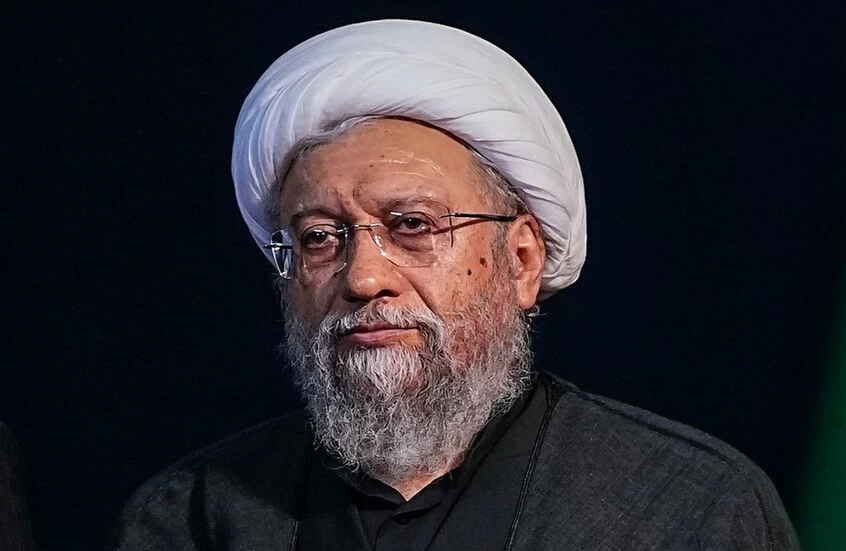
جدد رئيس مجمع تشخيص مصلحة النظام في إيران صادق لاريجاني التأكيد على موقف بلاده المتعنت بشأن مضيق هرمز، وأعلن أن طهران لن تتراجع عن سيادتها على الممر الملاحي، وقال إن من يطالب بحرية الملاحة عليه الالتزام بشروط مذكرة التفاهم.
وفي اجتماع لمجمع تشخيص مصلحة النظام، اليوم (الإثنين)، زعم لاريجاني أن «صمود الشعب الإيراني وقواته المسلحة أذهل العالم، وأثبت قدرة النظام على الثبات في وجه الضغوط، وفق قوله.
واعتبر أن مزاعم الولايات المتحدة وإسرائيل بإنهاء الحرب في أيام أو أسابيع قد تبددت أمام صمود الشعب الذي يقاوم منذ أشهر، وأن طموحاتهم في إسقاط النظام أو تفكيك إيران قد تلاشت.
وكرر لاريجاني القول إن إيران لن تتراجع تحت أي ظرف، مدعياً أن «سيادة هذا الممر المائي تعود للجمهورية الإسلامية، ولن يعود المضيق إلى ما كان عليه إلا إذا التزمتم بشروط مذكرة التفاهم».
وكان المجلس الأعلى للأمن القومي الإيراني وضع السبت الماضي شروطاً جديدة لإعادة فتح المضيق، تتجاوز تلك المتفق عليها، وتشمل مطالبة الولايات المتحدة بالتوقف عن تهديد طهران، وإنهاء الحرب ضد إيران وحلفائها، ورفع الحصار البحري وسحب القوات، إضافة إلى التعويض الكامل عن أضرار الحرب، ورفع جميع العقوبات، والإفراج عن الأموال الإيرانية المجمدة.
وكانت هذه المطالب قبل أسابيع شروطاً مسبقة لصفقة نووية، أما الآن فتقدمها إيران شروطاً لفتح مضيق هرمز فقط، ما يشير إلى تعقيد الموقف واستمرار تعنتها.
The head of the Expediency Discernment Council in Iran, Sadegh Larijani, reiterated his country's stubborn stance regarding the Strait of Hormuz, announcing that Tehran will not back down from its sovereignty over the maritime passage. He stated that those who demand freedom of navigation must adhere to the terms of the memorandum of understanding.
In a meeting of the Expediency Discernment Council today (Monday), Larijani claimed that "the resilience of the Iranian people and its armed forces has astonished the world and demonstrated the system's ability to withstand pressures," according to him.
He considered that the claims of the United States and Israel about ending the war in days or weeks have dissipated in the face of the people's resistance, which has been ongoing for months, and that their ambitions to overthrow the regime or dismantle Iran have faded.
Larijani reiterated that Iran will not retreat under any circumstances, claiming that "the sovereignty of this waterway belongs to the Islamic Republic, and the strait will not return to what it was unless you adhere to the terms of the memorandum of understanding."
Last Saturday, the Iranian Supreme National Security Council set new conditions for reopening the strait, surpassing those previously agreed upon, which include demanding that the United States stop threatening Tehran, end the war against Iran and its allies, lift the naval blockade, withdraw troops, fully compensate for war damages, lift all sanctions, and release frozen Iranian funds.
These demands were, weeks ago, prerequisites for a nuclear deal; now, Iran presents them as conditions for opening the Strait of Hormuz only, indicating the complexity of the situation and its continued obstinacy.