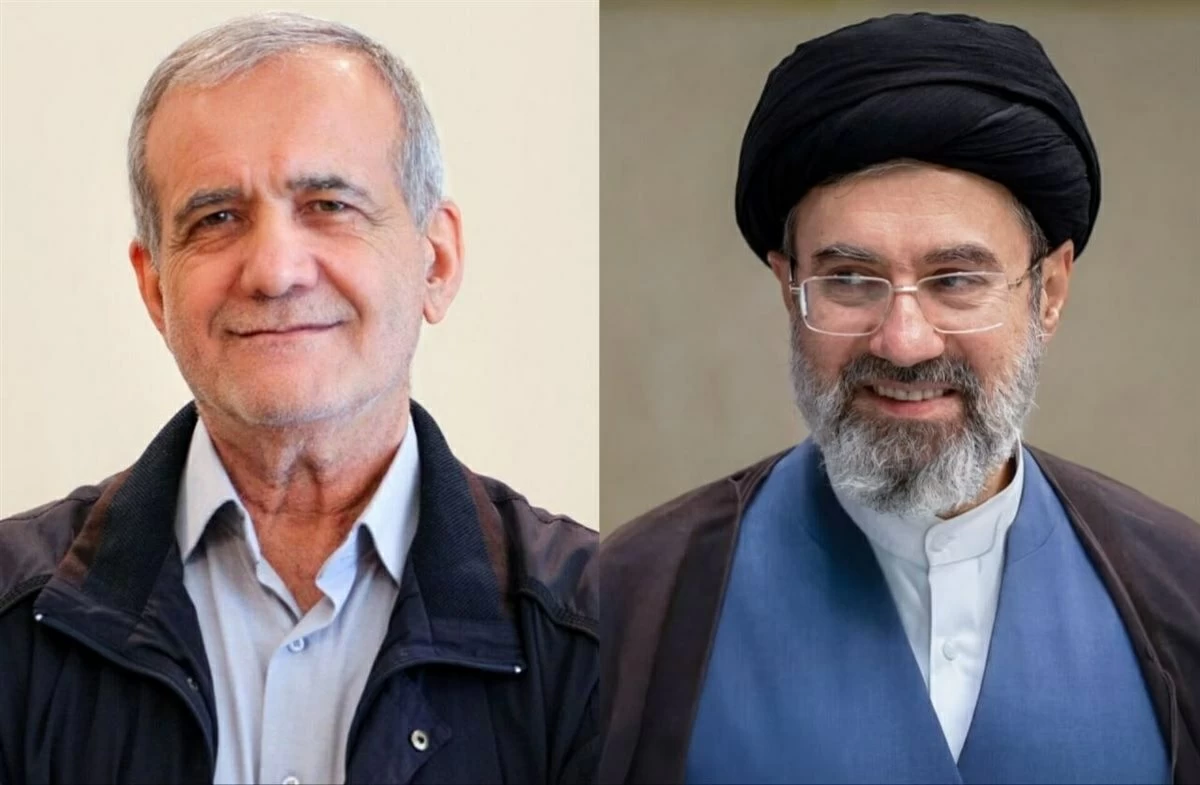
أفصح الرئيس الإيراني مسعود بزشكيان أن اللقاء مع المرشد الإيراني مجتبى خامنئي، استمر نحو 7 ساعات. وأعلن في تصريحات، اليوم (الاثنين)، أن محادثاتهما تركزت على تداعيات الحرب والعقوبات.
وكشف بزشكيان أن خامنئي أوصاه بالحفاظ على الانسجام والوحدة، وفق ما نقلت وسائل إعلام رسمية. وقال الرئيس الإيراني: «ناقشت مع المرشد الأعلى الوضع المعيشي للإيرانيين في ظل الوضع الحالي». وأشار إلى أن الاجتماع تناول أيضاً «ضرورة تجنب الخلافات والابتعاد عن أي كلام يخرج عن الوحدة».
والتقى الرئيس الإيراني مع مجتبى خامنئي بالتزامن مع بدء السنة الثالثة من رئاسته للبلاد، وفق ما أفادت وسائل إعلام إيرانية رسمية أمس (الأحد).
وأشارت إلى أن الرجلين أجريا حواراً حول القضايا الاقتصادية والعسكرية في البلاد. ولفتت إلى أنهما تبادلا وجهات النظر بالتفصيل بشأن قضايا البلاد ومشكلاتها، لاسيما تأمين الحاجات المعيشية للشعب، والظروف الراهنة للحرب والمستقبل القادم، فضلاً عن التطورات في المجال العسكري، والحلول المتعلقة بتأمين الموارد وإدارة النفقات بالريال والعملات الأجنبية والطاقة، والتفاعل الاقتصادي مع الأطراف الخارجية.
ونشرت وكالات رسمية إيرانية، مساء (السبت)، ما قالت إنه فيديو جديد لمجتبى، إلا أنها لم تحدد تاريخه، ما زاد التساؤلات حول وضعه، خصوصاً بعد تأكيد إصابته خلال الحرب الأمريكية الإسرائيلية التي تفجرت في فبراير 2026.
استبدال مستشار الأمن القومي
وكانت إيران استبدلت، أمس بمستشارها الأعلى للأمن القومي، قائداً عسكرياً يوصف بالمتشدد، في خطوة قد تعكس مزيدًا من ترسيخ نفوذ المؤسسة الأمنية التقليدية.
وأعلن المتحدث باسم الرئيس الإيراني مهدي طباطبائي، أن محسن رضائي، الذي قاد الحرس الثوري خلال الحرب العراقية الإيرانية، ويشغل منصب مستشار للمرشد الأعلى مجتبى خامنئي، سيتولى رئاسة المجلس الأعلى للأمن القومي، بدل محمد باقر ذو القدر، الذي عين مستشاراً سياسياً للمرشد.
ويعتقد خبراء أن تعيين رضائي يحمل دلالات مهمة، معتبرين أن هذه الخطوة تشير إلى أن القيادات الأمنية التقليدية في إيران تواصل تعزيز نفوذها بدلًا من إفساح المجال أمام انتقال السلطة إلى جيل أصغر من النخب السياسية، وفق ما نقلت صحيفة «نيويورك تايمز».
موازنة نفوذ قاليباف
ويعتقد هؤلاء أن التعيين يعكس محاولة موازنة نفوذ قاليباف الذي يقود المفاوضات الإيرانية مع الولايات المتحدة. واشاروا إلى أن التغيير في قيادة المجلس الأعلى للأمن القومي قد يمثل محاولة من المرشد الأعلى لمنع «النفوذ المفرط لقاليباف» وفي رأيهم أن هذا التعيين «يعني أن الجناح الأكثر تشددًا داخل النظام بات يكتسب اليد العليا».
The Iranian President Masoud Bezhakian revealed that the meeting with the Iranian Supreme Leader Mojtaba Khamenei lasted about 7 hours. He announced in statements today (Monday) that their discussions focused on the repercussions of the war and sanctions.
Bezhakian disclosed that Khamenei advised him to maintain harmony and unity, according to what was reported by official media. The Iranian president said, "I discussed with the Supreme Leader the living conditions of Iranians in light of the current situation." He noted that the meeting also addressed "the necessity of avoiding disputes and steering clear of any talk that deviates from unity."
The Iranian president met with Mojtaba Khamenei coinciding with the start of the third year of his presidency, as reported by Iranian official media yesterday (Sunday).
It was noted that the two men engaged in a dialogue about the economic and military issues in the country. They exchanged detailed views on the country's issues and problems, particularly securing the living needs of the people, the current conditions of the war and the upcoming future, as well as developments in the military field, solutions related to securing resources, managing expenses in rials and foreign currencies, and economic interaction with external parties.
Iranian official agencies published, on Saturday evening, what they said was a new video of Mojtaba, but they did not specify its date, which raised questions about his condition, especially after confirming his injury during the American-Israeli war that erupted in February 2026.
Replacement of National Security Advisor
Iran replaced its senior national security advisor yesterday with a military leader described as hardline, in a move that may reflect further consolidation of the traditional security establishment's influence.
The spokesperson for the Iranian president, Mahdi Tabatabai, announced that Mohsen Rezaei, who led the Revolutionary Guard during the Iran-Iraq war and serves as an advisor to the Supreme Leader Mojtaba Khamenei, will take over the presidency of the Supreme National Security Council, replacing Mohammad Baqer Zolqadr, who was appointed as a political advisor to the Supreme Leader.
Experts believe that Rezaei's appointment carries significant implications, considering that this step indicates that the traditional security leadership in Iran continues to strengthen its influence instead of making way for a transfer of power to a younger generation of political elites, according to what was reported by the "New York Times."
Balancing Qalibaf's Influence
These experts believe that the appointment reflects an attempt to balance the influence of Qalibaf, who leads the Iranian negotiations with the United States. They pointed out that the change in the leadership of the Supreme National Security Council may represent an attempt by the Supreme Leader to prevent "Qalibaf's excessive influence," and in their opinion, this appointment "means that the more hardline wing within the system is gaining the upper hand."