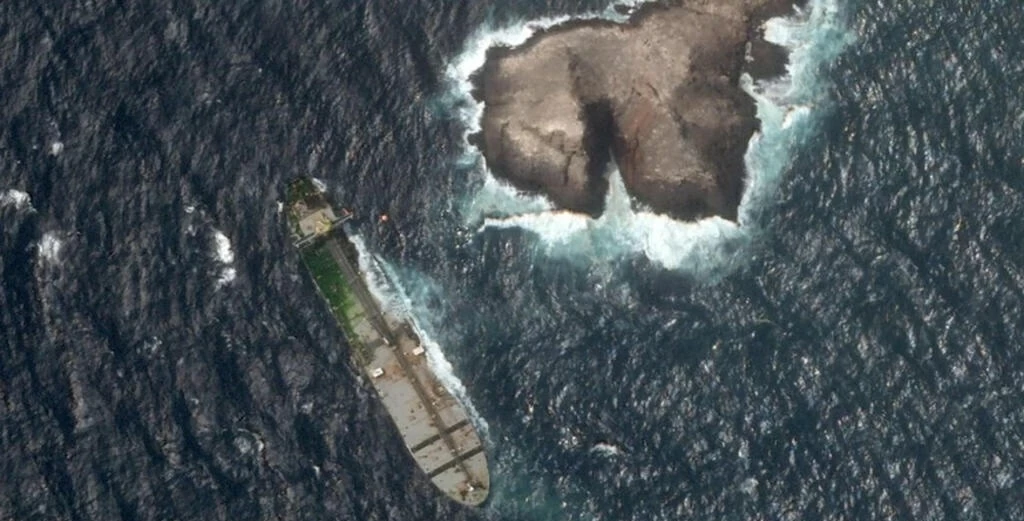
أعلنت السلطات العُمانية، اليوم الإثنين، عن رصد تلوث نفطي واسع في مياه محمية بحرية قبالة السواحل الجنوبية للسلطنة، في أول تأكيد رسمي لامتداد آثار حادثة جنوح الناقلة النفطية كارولين بيزينغي؛ التي كانت تحمل نحو مليون برميل من النفط الروسي، وسط مخاوف من تداعيات بيئية على المناطق الساحلية والجزر القريبة.
وقالت هيئة البيئة العُمانية إن عمليات الرصد والتحليل الأخيرة أظهرت استمرار التلوث المرتبط بالناقلة، مشيرةً إلى رصد بقعة نفطية تبلغ مساحتها نحو 390 كيلومترًا مربعًا، وتمتد شمال شرق أرخبيل الحلانيات باتجاه الساحل، فيما بلغ امتدادها على المسار نحو 449 كيلومترًا، وتقترب في بعض النقاط من البر لمسافة لا تتجاوز سبعة كيلومترات. ولم تُحدّد السلطات حتى الآن أسباب جنوح الناقلة.
مخاطر بيئية متصاعدة
وتأتي هذه التطورات بعد تحذيرات أطلقتها منظمتا (غرينبيس) و(باكس) الأسبوع الماضي، من احتمال وقوع "كارثة بيئية" في المنطقة المحمية التي تضم نظمًا بيئية حساسة؛ بينها شعاب مرجانية ومناطق تعشيش سلاحف بحرية نادرة. وأوضحت هيئة البيئة أن تقييم المخاطر يجري تحديثه بشكل مستمر تبعًا لتغير موقع البقعة واتجاه حركتها، مؤكدةً ضرورة حماية الموائل البحرية والمناطق الساحلية ذات القيمة البيئية العالية.
وأفادت وكالة الأنباء العُمانية بأن التحليل الأخير يشير إلى أن الأجزاء الأكثر كثافة من التلوث قد تتحرك باتجاه مداخل رأس مدركة، ما يستدعي استمرار المراقبة المكثفة للمناطق البحرية والساحلية ذات الأولوية.
محاولات احتواء التلوث
من جانبه، قال المدير العام للشؤون البحرية بوزارة النقل والاتصالات وتقنية المعلومات محمد بن عبدالله الرواحي: إن العمليات الجارية تشمل المراقبة الجوية وعمليات الغوص، إلى جانب العمل على إيجاد حلول فنية لنقل حمولة الناقلة بصورة آمنة، بهدف الحد من المخاطر وضمان سلامة الملاحة وحماية البيئة البحرية.
وكانت شركة الأمن البحري البريطانية فانغارد قد أفادت بأن الناقلة تعرضت لانفجارات داخلية أثناء إبحارها قبالة المكلا اليمنية في 6 يونيو، ما أدى إلى دخول المياه إلى أقسامها وتوقف محركاتها الرئيسية. ويُعتقد أن الناقلة جزء من "أسطول الظل" الذي تستخدمه روسيا للالتفاف على العقوبات الغربية، ويضم سفنًا قديمة تواجه انتقادات تتعلق بمعايير الصيانة والسلامة.
توقيت حساس لظفار
وتأتي حادثة التلوث في فترة تشهد فيها محافظة ظفار موسم الخريف الذي يجذب آلاف الزوار سنويًا؛ بفضل أجوائه المعتدلة وطبيعته الخضراء، ما يزيد أهمية احتواء أي آثار محتملة للتلوث على المناطق البحرية والساحلية قبل أن تتسع تداعياتها.
The Omani authorities announced today, Monday, the detection of widespread oil pollution in the waters of a marine reserve off the southern coast of the Sultanate, marking the first official confirmation of the extension of the effects of the grounding incident of the oil tanker Caroline Bezinge; which was carrying about one million barrels of Russian oil, amid concerns about environmental repercussions on coastal areas and nearby islands.
The Omani Environment Authority stated that recent monitoring and analysis operations showed the persistence of pollution associated with the tanker, noting the detection of an oil slick covering an area of about 390 square kilometers, extending northeast of the Hallaniyat archipelago towards the coast, while its stretch along the path reached about 449 kilometers, approaching the shore at some points to within seven kilometers. The authorities have not yet identified the causes of the tanker’s grounding.
Escalating Environmental Risks
These developments come after warnings issued by the organizations (Greenpeace) and (Pax) last week, regarding the potential occurrence of an "environmental disaster" in the protected area, which includes sensitive ecosystems; among them coral reefs and nesting areas for rare sea turtles. The Environment Authority clarified that the risk assessment is being continuously updated according to changes in the location of the slick and the direction of its movement, emphasizing the necessity of protecting marine habitats and coastal areas of high environmental value.
The Omani News Agency reported that the latest analysis indicates that the most concentrated parts of the pollution may move towards the entrances of Ras Mudhika, necessitating continued intensive monitoring of priority marine and coastal areas.
Efforts to Contain the Pollution
For his part, the Director General of Marine Affairs at the Ministry of Transport, Communications, and Information Technology, Mohammed bin Abdullah Al-Rawahi, stated that the ongoing operations include aerial monitoring and diving operations, in addition to working on finding technical solutions to safely transfer the tanker’s cargo, aiming to mitigate risks and ensure navigation safety and protect the marine environment.
The British maritime security company Vanguard reported that the tanker experienced internal explosions while sailing off the Yemeni city of Mukalla on June 6, which led to water entering its compartments and the failure of its main engines. It is believed that the tanker is part of a "shadow fleet" used by Russia to circumvent Western sanctions, consisting of older ships that face criticism regarding maintenance and safety standards.
A Sensitive Timing for Dhofar
The pollution incident comes during a period when the Dhofar Governorate is experiencing the Khareef season, which attracts thousands of visitors annually due to its moderate climate and lush nature, increasing the importance of containing any potential effects of pollution on marine and coastal areas before their repercussions widen.