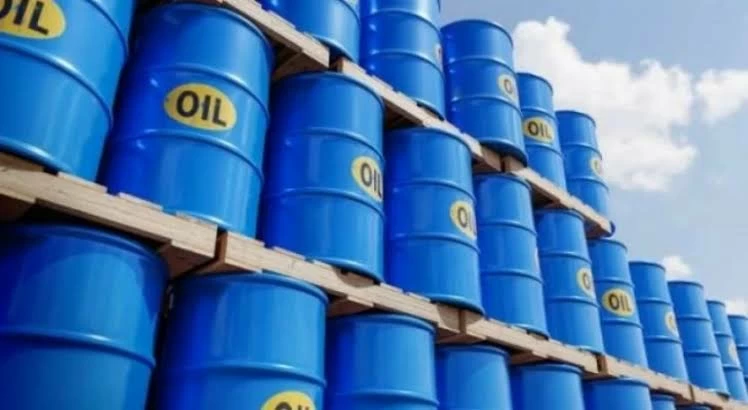
صعدت أسعار النفط اليوم مدفوعة بالتفاؤل بشأن المحادثات الرامية إلى إعادة فتح مضيق هرمز، لكن حدَّ من المكاسب إصرار إيران على ضرورة تلبية الولايات المتحدة عدة شروط قبل إعادة فتح الممر المائي.
وارتفعت العقود الآجلة لخام برنت 1.25 دولار، أو 1.50%، لتصل إلى 84.80 دولار للبرميل. وزاد خام غرب تكساس الوسيط الأمريكي 1.30 دولار، أو 1.66%، ليصل إلى 79.48 دولار للبرميل.
أدلة ملموسة
وكان الخامان القياسيان قد انخفضا بأكثر من 7% الأسبوع الماضي، وسط آمال بأن إيران وعمان اقتربتا من التوصل إلى اتفاق يفضي إلى إعادة فتح مضيق هرمز، الذي كان يمر من خلاله خُمس إمدادات العالم من النفط قبل الحرب.
وأفاد محللو «إس.إي.بي ريسيرتش» في مذكرة: «رغم أن المضيق لا يزال في حكم المغلق، يجري تداول النفط حالياً بين 80 و85 دولاراً للبرميل، ما يعكس الأمل في التوصل إلى حل في المستقبل القريب».
وقال محلل الأسواق تيم ووترر: «اعتاد المتعاملون على الطبيعة المتقطعة للمفاوضات، وينتظرون أدلة ملموسة، مثل تحركات ناقلات مؤكدة أو اتفاقات رسمية، قبل مواصلة تقليص علاوة المخاطر».
Oil prices rose today, driven by optimism regarding talks aimed at reopening the Strait of Hormuz, but Iran's insistence on the necessity for the United States to meet several conditions before reopening the waterway limited the gains.
Brent crude futures rose by $1.25, or 1.50%, to reach $84.80 per barrel. West Texas Intermediate crude increased by $1.30, or 1.66%, to reach $79.48 per barrel.
Tangible Evidence
The two benchmark crude oils had fallen by more than 7% last week, amid hopes that Iran and Oman were close to reaching an agreement that would lead to the reopening of the Strait of Hormuz, through which one-fifth of the world's oil supplies passed before the war.
Analysts at "SEB Research" noted in a memo: "Although the strait remains effectively closed, oil is currently trading between $80 and $85 per barrel, reflecting hope for a solution in the near future."
Market analyst Tim Waterer stated: "Traders have become accustomed to the sporadic nature of the negotiations and are waiting for tangible evidence, such as confirmed tanker movements or official agreements, before continuing to reduce the risk premium."