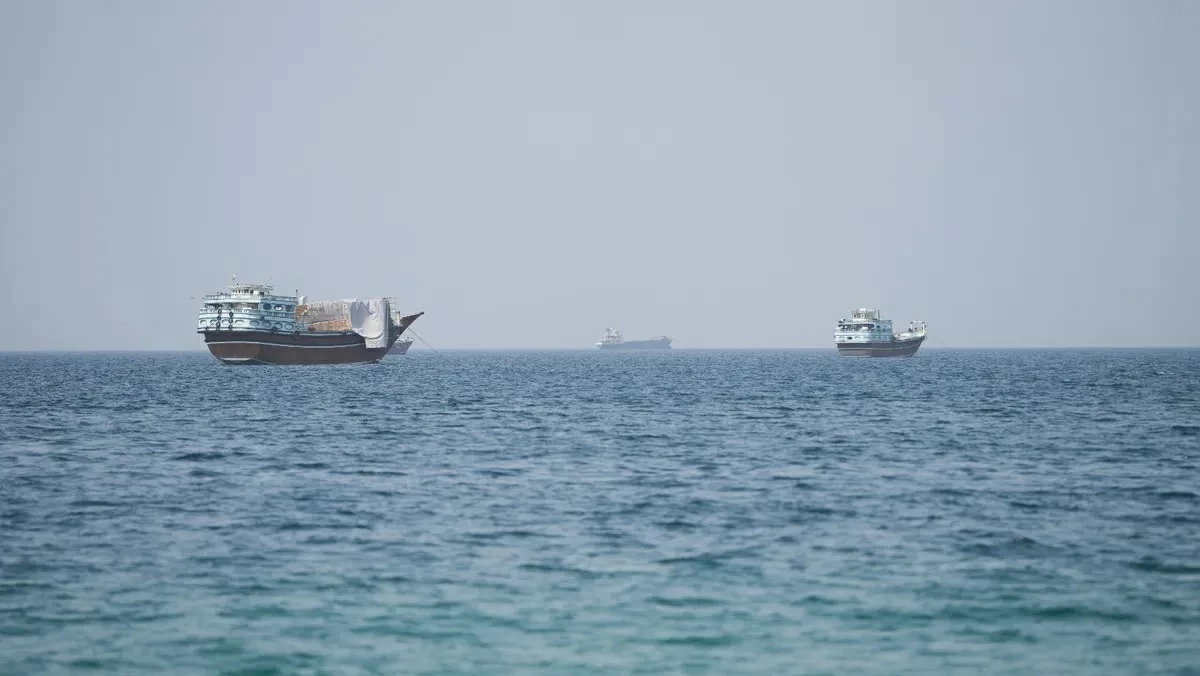
أعلن مسؤول أمريكي إحراز تقدّم في المحادثات بين عُمان وإيران بشأن مضيق هرمز، متوقعاً التوصّل إلى اتفاق قريباً. وقال المسؤول الأمريكي إن واشنطن سترفع الحصار المفروض على الموانئ الإيرانية بمجرد الإعلان عن اتفاق لاستئناف الشحن التجاري دون عوائق. وأضاف أن إجراءات بلاده ستظل مرتبطة بمدى وفاء إيران بالتزاماتها.
ويتزامن هذا الإعلان مع التأكيدات الأمريكية المتتالية بشأن قرب التوصل إلى اتفاق، أطرافه الولايات المتحدة وإيران وسلطنة عمان، بشأن وقف إطلاق النار وحل أزمة إغلاق مضيق هرمز.
وكان وزير الخزانة الأمريكي سكوت بيسنت قال إن الاتفاق متوقع «اليوم أو غداً»، وأنه يتضمن وقفاً لإطلاق النار لمدة تراوح بين 30 و60 يوماً، موضحاً أن تلك المهلة ستشهد إعادة فتح مضيق هرمز.
ونقل موقع «أكسيوس» الإخباري عن دبلوماسي من الوسطاء تأكيده أن الاتفاق حالياً في انتظار موافقة مجلس الأمن القومي الإيراني لإقراره.
من جانبه، أكد الرئيس الإيراني مسعود بزشكيان أن طهران ستلتزم بتعهداتها إذا التزمت أمريكا هي الأخرى بتعهداتها، نافياً أن تكون بلاده قدمت تنازلات لواشنطن من أجل رفع الحصار البحري.
ونقلت شبكة «إم إس ناو» الأمريكية، عن دبلوماسيين من الشرق الأوسط مطلعين على المفاوضات، قولهم: إن عُمان وافقت على إطار اتفاق مع إيران لإعادة فتح مضيق هرمز بصورة مؤقتة، بعدما أصبح الممر محوراً رئيسياً في المواجهة بين واشنطن وطهران منذ اندلاع الحرب.
ونقلت الشبكة عن مسؤول إيراني مرتبط بالمفاوضات أن الاتفاق سيقيم مسارات جديدة للملاحة، تسمح للسفن التجارية بدخول الخليج العربي عبر مسار خاضع للسيطرة الإيرانية، والخروج عبر مسار تشرف عليه سلطنة عُمان.
وبحسب المسؤول، فإن الاتفاق لا يتضمن تحصيل رسوم من السفن التجارية مقابل المرور الآمن، بعدما كانت طهران سعت سابقاً إلى فرض رسوم. وقال إن الترتيب سيكون «اتفاقاً مؤقتاً» من شأنه أن يمهد الطريق أمام واشنطن وطهران لإعلان وقف جديد لإطلاق النار واستئناف المفاوضات النووية التي بدأت في منتصف يونيو، قبل أن تنهار إثر تبادل الضربات بين الطرفين في أنحاء المنطقة.
An American official announced progress in the talks between Oman and Iran regarding the Strait of Hormuz, expecting an agreement to be reached soon. The American official stated that Washington would lift the blockade imposed on Iranian ports once an agreement to resume unhindered commercial shipping is announced. He added that his country's actions would remain linked to Iran's fulfillment of its commitments.
This announcement coincides with repeated American assurances about the imminent conclusion of an agreement involving the United States, Iran, and the Sultanate of Oman, regarding a ceasefire and resolving the crisis of the closure of the Strait of Hormuz.
U.S. Treasury Secretary Scott Pisanek stated that the agreement is expected "today or tomorrow," and that it includes a ceasefire lasting between 30 and 60 days, explaining that this period will witness the reopening of the Strait of Hormuz.
The news site "Axios" reported that a diplomat from the mediators confirmed that the agreement is currently awaiting approval from the Iranian National Security Council for its ratification.
For his part, Iranian President Masoud Bezhakian confirmed that Tehran would adhere to its commitments if the U.S. also fulfills its obligations, denying that his country has made concessions to Washington in order to lift the maritime blockade.
The American network "MS Now" reported, citing diplomats from the Middle East familiar with the negotiations, that Oman has agreed to a framework agreement with Iran to temporarily reopen the Strait of Hormuz, after the passage has become a major focal point in the confrontation between Washington and Tehran since the outbreak of the war.
The network quoted an Iranian official involved in the negotiations stating that the agreement will establish new navigation routes, allowing commercial ships to enter the Arabian Gulf through a route under Iranian control and exit through a route overseen by the Sultanate of Oman.
According to the official, the agreement does not include charging fees from commercial ships for safe passage, after Tehran had previously sought to impose fees. He stated that the arrangement would be a "temporary agreement" that would pave the way for Washington and Tehran to announce a new ceasefire and resume nuclear negotiations that began in mid-June, before collapsing following exchanges of strikes between the two sides across the region.