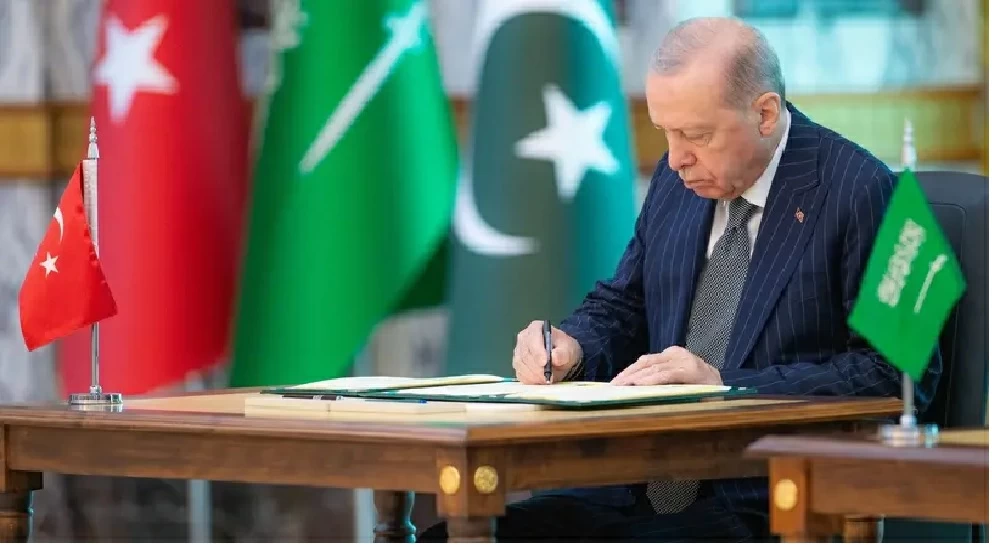
أكدت الحكومة التركية أن اتفاقية مكة للدفاع المشترك التي وقعتها مع السعودية وباكستان «لا تتعارض» مع التزامات أنقرة حيال حلف شمال الأطلسي «الناتو».
وكتب جهاز مكافحة التضليل الإعلامي التابع للحكومة التركية على منصة إكس، أمس (الجمعة)، أن الاتفاقية لا تتعارض مع التزامات تركيا القائمة تجاه التحالفات الدولية، بما فيها حلف شمال الأطلسي، مشيراً إلى أنها، على العكس، تشكّل آلية تعاون متممة تدعم الأمن الإقليمي.
وأكد أن تطوير تركيا للشراكات الإقليمية ليس بديلاً من عضويتها في حلف شمال الأطلسي، ولا يشكل تحالفاً عسكرياً هجومياً.
وجددت أنقرة تأكيدها أن هذه الاتفاقية الثلاثية التي وقعت، أمس (الجمعة)، في مكة المكرمة، لا تستهدف أي دولة أو تكتل ثالث، وتهدف فقط إلى تعزيز التعاون في الصناعات الدفاعية والتدريب العسكري وتبادل التكنولوجيا والاستقرار الإقليمي.
وأوضحت السلطات التركية أنها ترد بذلك على «ادعاءات لا أساس لها»، و«محتوى تضليلي».
وتملك تركيا ثاني أكبر جيش في حلف شمال الأطلسي الذي يغطي جناحه الشرقي، واستضافت قمّة قادة الحلف مطلع يوليو، بمشاركة الرئيس الأمريكي دونالد ترمب.
ونصّت اتفاقية مكة للدفاع المشترك على أن أي هجوم مسلح يستهدف إحدى الدول الثلاث يُعد هجوماً على جميع الدول الأطراف، بما يعزز مبدأ الردع الجماعي، ويؤكد التزامها المشترك بمواجهة أي تهديدات تستهدف أمنها وسيادتها.
وتهدف الاتفاقية إلى تطوير مختلف أوجه التعاون الدفاعي والعسكري، وتعزيز التنسيق بين الدول الثلاث، بما يرفع مستوى الجاهزية ويعزز قدرتها على مواجهة التحديات الأمنية المشتركة.
وتأتي الاتفاقية في إطار مساعي السعودية وتركيا وباكستان لتعميق شراكتها الاستراتيجية، وتعزيز التنسيق السياسي والدفاعي، بما يخدم المصالح المشتركة، ويدعم الأمن الإقليمي والدولي في ظل المتغيرات المتسارعة.
The Turkish government confirmed that the Mecca Agreement for mutual defense, signed with Saudi Arabia and Pakistan, "does not contradict" Ankara's commitments to the North Atlantic Treaty Organization (NATO).
The Turkish government's Directorate of Communications wrote on the X platform yesterday (Friday) that the agreement does not conflict with Turkey's existing commitments to international alliances, including NATO, noting that, on the contrary, it constitutes a complementary cooperation mechanism that supports regional security.
It emphasized that Turkey's development of regional partnerships is not a substitute for its NATO membership, nor does it constitute an offensive military alliance.
Ankara reiterated that this trilateral agreement, signed yesterday (Friday) in Mecca, does not target any third country or bloc, and aims solely to enhance cooperation in defense industries, military training, technology exchange, and regional stability.
The Turkish authorities clarified that they are responding to "baseless claims" and "misleading content."
Turkey possesses the second-largest army in NATO, which covers its eastern flank, and hosted the NATO leaders' summit in early July, with the participation of U.S. President Donald Trump.
The Mecca Agreement for mutual defense stipulates that any armed attack targeting one of the three countries is considered an attack on all member states, thereby reinforcing the principle of collective deterrence and affirming their joint commitment to confront any threats to their security and sovereignty.
The agreement aims to develop various aspects of defense and military cooperation and enhance coordination among the three countries, thereby raising readiness levels and strengthening their ability to address common security challenges.
This agreement comes as part of the efforts of Saudi Arabia, Turkey, and Pakistan to deepen their strategic partnership and enhance political and defense coordination, serving their mutual interests and supporting regional and international security amid rapid changes.