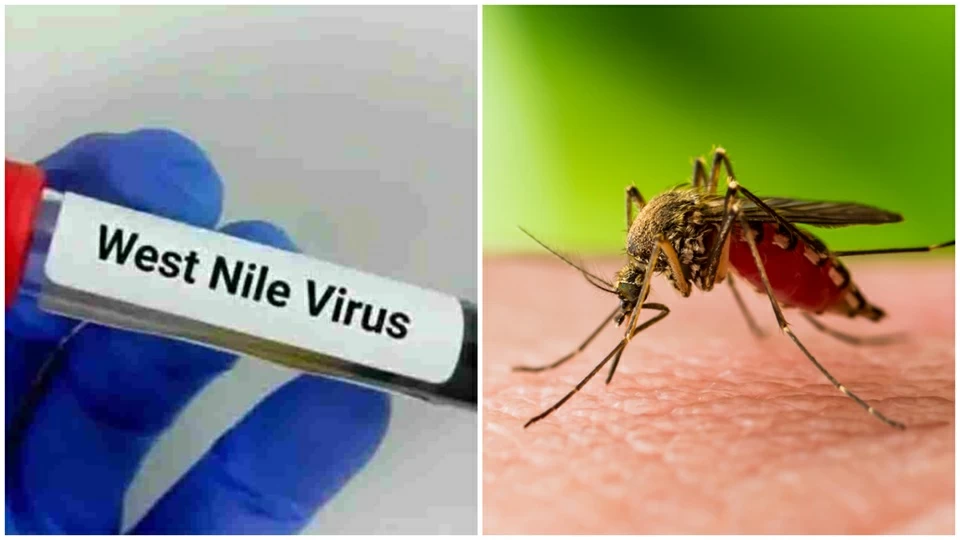
أظهر تقرير حديث صادر عن المركز الأوروبي للوقاية من الأمراض والسيطرة عليها، تسجيل أكثر من 240 إصابة بشرية بفايروس (حمى غرب النيل) في مختلف أنحاء أوروبا منذ بداية موسم انتقال العدوى لهذا العام، في مؤشر يعكس اتساع نطاق انتشار الفايروس خلال أشهر الصيف.
ووفقًا للتقرير الصادر أمس (الجمعة)، بلغ إجمالي الحالات المبلّغ عنها حتى يوم الأربعاء، 241 إصابة؛ بينها 139 حالة في إيطاليا و61 في اليونان، فيما سجلت إسبانيا 17 حالة، ومقدونيا الشمالية 13 حالة، إضافة إلى ست حالات في رومانيا وأربع في فرنسا، وحالة واحدة في ألمانيا.
ويأتي هذا الارتفاع بعد تحذيرات أطلقتها منظمة الصحة العالمية أواخر الشهر الماضي دعت فيها إلى زيادة توخي الحذر، عقب تسجيل عدة إصابات في جنوب أوروبا، مؤكدة أن الفايروس ينتقل أساسًا بين البعوض والطيور، بينما يمكن للبعوض المصاب نقل العدوى إلى البشر، خصوصًا خلال الفترة الممتدة بين يوليو وسبتمبر التي تُعد ذروة نشاطه.
وتشير البيانات الصحية الأوروبية إلى أن مراقبة انتشار الفايروس أصبحت ضرورة ملحّة، في ظل تزايد الحالات المسجلة في دول عدة، ما يستدعي تعزيز إجراءات الرصد والوقاية، وتكثيف حملات التوعية الصحية خلال موسم انتقال العدوى.
A recent report from the European Centre for Disease Prevention and Control has shown that more than 240 human cases of the West Nile virus have been recorded across Europe since the beginning of the infection transmission season this year, indicating a widening spread of the virus during the summer months.
According to the report released yesterday (Friday), the total number of reported cases as of Wednesday reached 241; among them, 139 cases were in Italy and 61 in Greece, while Spain recorded 17 cases, North Macedonia 13 cases, in addition to six cases in Romania and four in France, and one case in Germany.
This increase follows warnings issued by the World Health Organization at the end of last month, urging increased caution after several cases were reported in Southern Europe, confirming that the virus primarily transmits between mosquitoes and birds, while infected mosquitoes can transmit the infection to humans, especially during the period from July to September, which is considered its peak activity time.
European health data indicates that monitoring the spread of the virus has become an urgent necessity, given the rising number of cases reported in several countries, necessitating the strengthening of surveillance and prevention measures, and intensifying health awareness campaigns during the infection transmission season.