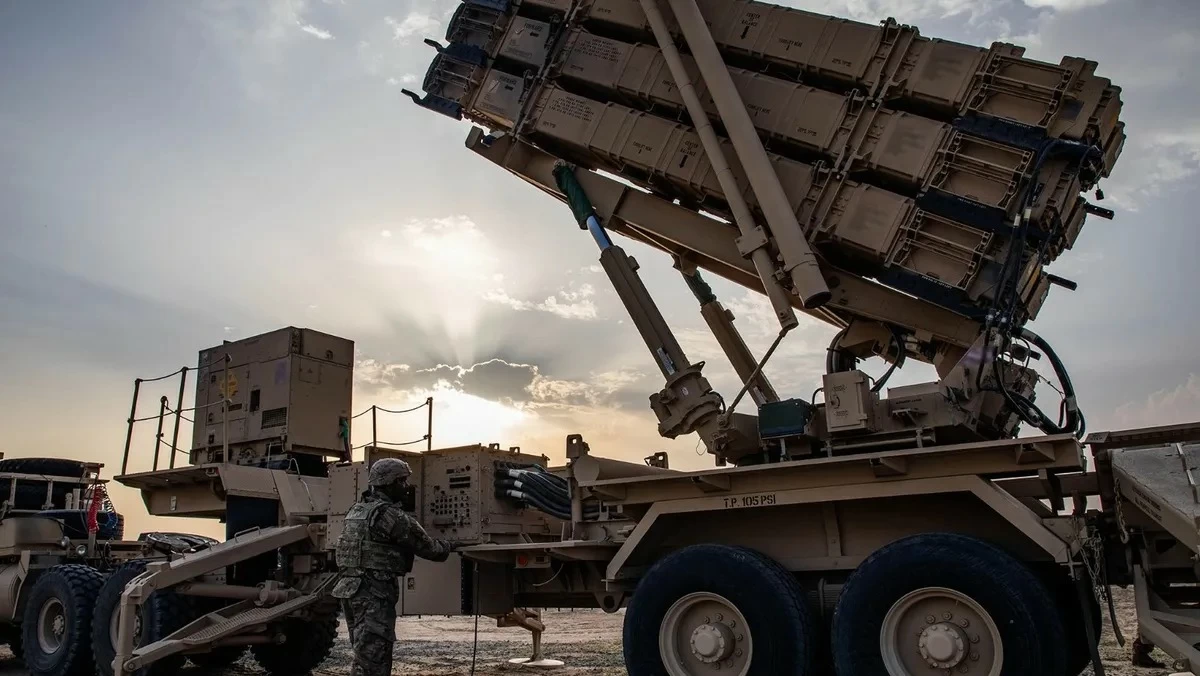
أعلنت وزارة الدفاع الأمريكية (البنتاغون) أن الجيش الأمريكي منح شركة لوكهيد مارتن عقداً يصل قيمته إلى 58.6 مليار دولار لإنتاج صواريخ الاعتراض الخاصة بمنظومة الدفاع الجوي باتريوت، في خطوة تستهدف تعزيز المخزون العسكري الأمريكي الذي تعرض لضغوط متزايدة نتيجة الصراعات في إيران وأوكرانيا.
ويأتي العقد في وقت تواجه فيه الولايات المتحدة تحديات متزايدة للحفاظ على مخزونها من الأسلحة، بعدما زودت حلفاءها بكميات كبيرة من الذخائر، إلى جانب استخدامها أسلحة وذخائر في عملياتها العسكرية المرتبطة بإيران، الأمر الذي أثار مخاوف بشأن مستويات المخزون من أنظمة الدفاع الجوي والأسلحة الدقيقة.
وأوضح الجيش الأمريكي أن الاتفاق الجديد يحول عقداً سابقاً بقيمة 4.7 مليار دولار، تم توقيعه في أبريل الماضي لمدة عام واحد، إلى اتفاقية إطارية تمتد سبع سنوات، بما يضع خطة شراء متعددة السنوات لإنتاج صواريخ الاعتراض خلال الفترة من السنة المالية 2026 وحتى 2032.
صواريخ توماهوك الأمريكية.
وتأتي هذه الخطوة ضمن جهود البنتاغون لتسريع وتيرة إنتاج الذخائر، إذ يواصل المفاوضون العسكريون الضغط على شركات الصناعات الدفاعية لزيادة الطاقة الإنتاجية، بينما دفعت إدارة الرئيس الأمريكي دونالد ترمب شركات الدفاع إلى إعطاء الأولوية للإنتاج العسكري بدلاً من زيادة العوائد الموزعة على المساهمين.
وفي هذا السياق، وقع ترمب في يناير الماضي أمراً تنفيذياً يقضي بتحديد الشركات التي تُعد مقصرة في تنفيذ العقود الحكومية رغم استمرارها في توزيع الأرباح على المساهمين.
ورحب مسؤولو قطاع الصناعات الدفاعية بالاتفاقيات الجديدة، مؤكدين في الوقت نفسه أن تنفيذ خطط التوسع الإنتاجي يتطلب أولاً موافقة الكونغرس على الاعتمادات المالية اللازمة، بما يسمح للشركات بالاستثمار في خطوط الإنتاج وسلاسل التوريد. ولا تزال التفاصيل النهائية ومواعيد التسليم الخاصة بعدد من عقود الذخائر الأمريكية قيد التفاوض.
وفي سياق متصل، سبق أن أبرمت وزارة الدفاع الأمريكية اتفاقاً مماثلاً مع شركة RTX، المالكة لشركة رايثيون، لزيادة إنتاج صواريخ توماهوك المجنحة من نحو 60 صاروخاً سنوياً إلى ما يصل مستقبلاً إلى 1000 صاروخ سنوياً.
وأكدت لوكهيد مارتن، التي تتخذ من مدينة بيثيسدا بولاية ماريلاند مقراً لها، أن التمويل الجديد سيمكنها من تنفيذ خطتها لمضاعفة الطاقة الإنتاجية لصواريخ PAC-3 MSE ثلاث مرات بحلول نهاية عام 2030، إلى جانب رفع عدد العاملين في مصنعها بمدينة كامدن بولاية أركنساس بنسبة 50%، ليصل إلى نحو 1850 موظفاً مقارنة بنحو 1200 موظف حالياً.
وكانت الشركة أعلنت في وقت سابق أنها تستهدف رفع إنتاج صواريخ باتريوت PAC-3 إلى 2000 صاروخ سنوياً، كما تخطط لاستثمار ما بين 8 و9 مليارات دولار حتى عام 2030 لتحديث أكثر من 20 منشأة داخل الولايات المتحدة، تشمل إنشاء مراكز جديدة لإنتاج الذخائر في ولايتي ألاباما وأركنساس.
ويُعد صاروخ PAC-3 MSE أحد أهم صواريخ الاعتراض ضمن منظومة باتريوت، ويعتمد على تقنية الاصطدام المباشر بالهدف (Hit-to-Kill) لاعتراض الصواريخ الباليستية وصواريخ كروز والطائرات.
وفي المقابل، حذر مركز الدراسات الإستراتيجية والدولية (CSIS) في واشنطن من تراجع المخزون الأمريكي من صواريخ الدفاع الجوي، مشيراً إلى أن الجيش الأمريكي يمتلك حالياً أقل من 1000 صاروخ اعتراض باتريوت، وأقل من 250 صاروخ THAAD، وهما من أبرز أنظمة الدفاع الجوي الأمريكية، وقد استُخدما بكثافة خلال الفترة الأخيرة في منطقة الشرق الأوسط.
The U.S. Department of Defense (the Pentagon) announced that the U.S. Army has awarded Lockheed Martin a contract worth up to $58.6 billion for the production of interceptor missiles for the Patriot air defense system, in a move aimed at bolstering the U.S. military stockpile, which has come under increasing pressure due to conflicts in Iran and Ukraine.
The contract comes at a time when the United States is facing growing challenges in maintaining its stockpile of weapons, having supplied its allies with large quantities of munitions, in addition to using weapons and munitions in its military operations related to Iran, raising concerns about stock levels of air defense systems and precision weapons.
The U.S. Army clarified that the new agreement converts a previous contract worth $4.7 billion, signed last April for one year, into a framework agreement extending over seven years, establishing a multi-year purchasing plan for the production of interceptor missiles from fiscal year 2026 to 2032.
صواريخ توماهوك الأمريكية.
This step is part of the Pentagon's efforts to accelerate the production of munitions, as military negotiators continue to pressure defense companies to increase production capacity, while the administration of former President Donald Trump urged defense firms to prioritize military production over increasing dividends to shareholders.
In this context, Trump signed an executive order last January requiring the identification of companies that are deemed to be failing to fulfill government contracts while continuing to distribute profits to shareholders.
Officials in the defense industry welcomed the new agreements, while emphasizing that implementing expansion plans requires congressional approval for the necessary financial appropriations, allowing companies to invest in production lines and supply chains. Final details and delivery schedules for several U.S. munitions contracts are still under negotiation.
In a related context, the U.S. Department of Defense previously entered into a similar agreement with RTX, the parent company of Raytheon, to increase the production of Tomahawk cruise missiles from about 60 missiles annually to potentially up to 1,000 missiles per year in the future.
Lockheed Martin, based in Bethesda, Maryland, confirmed that the new funding will enable it to execute its plan to triple the production capacity of PAC-3 MSE missiles by the end of 2030, along with increasing the workforce at its Camden, Arkansas facility by 50%, reaching approximately 1,850 employees compared to about 1,200 currently.
The company had previously announced that it aims to raise the production of PAC-3 Patriot missiles to 2,000 missiles annually and plans to invest between $8 and $9 billion by 2030 to upgrade more than 20 facilities within the United States, including the establishment of new munitions production centers in Alabama and Arkansas.
The PAC-3 MSE missile is one of the most important interceptor missiles within the Patriot system, relying on direct hit technology (Hit-to-Kill) to intercept ballistic missiles, cruise missiles, and aircraft.
In contrast, the Center for Strategic and International Studies (CSIS) in Washington warned of a decline in the U.S. stockpile of air defense missiles, noting that the U.S. Army currently possesses fewer than 1,000 Patriot interceptor missiles and fewer than 250 THAAD missiles, which are among the most prominent U.S. air defense systems and have been used extensively in recent times in the Middle East.